
Last updated November 24, 2026
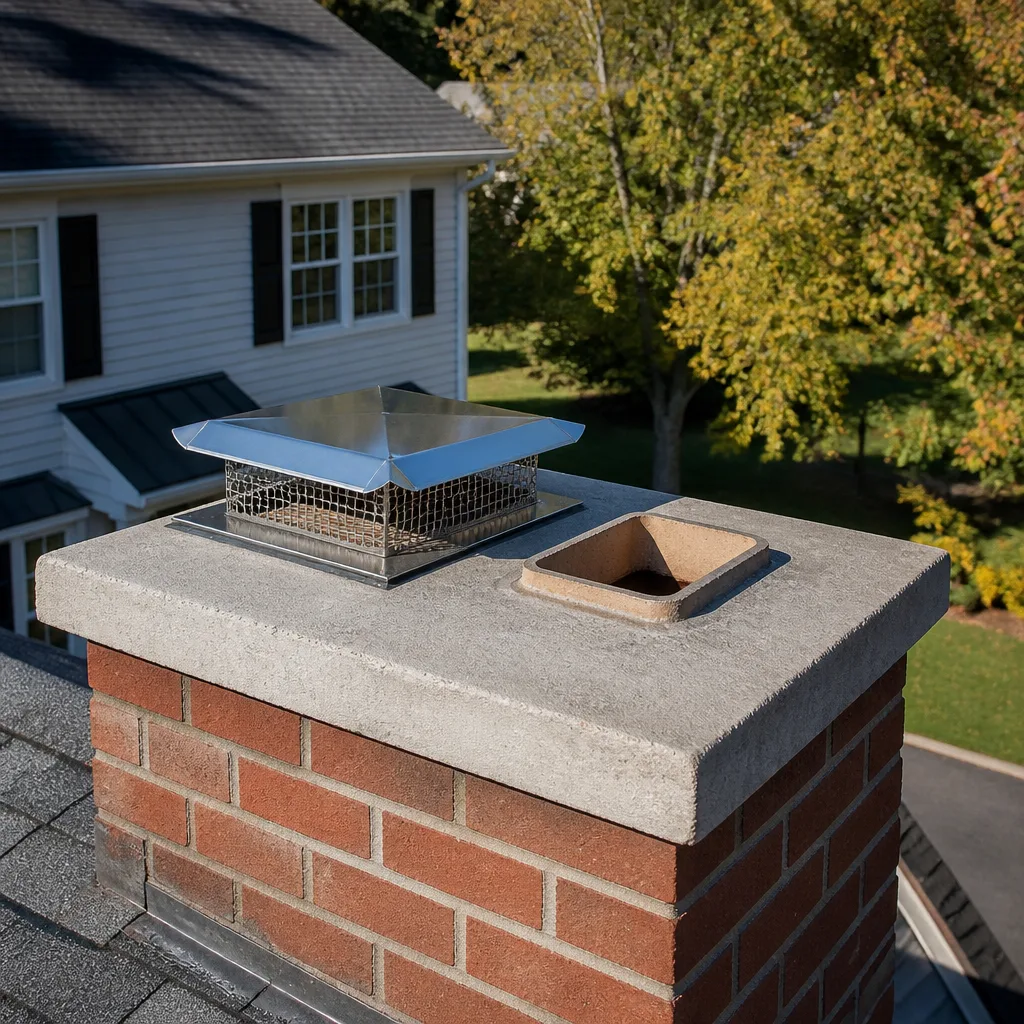 Sweep & inspection
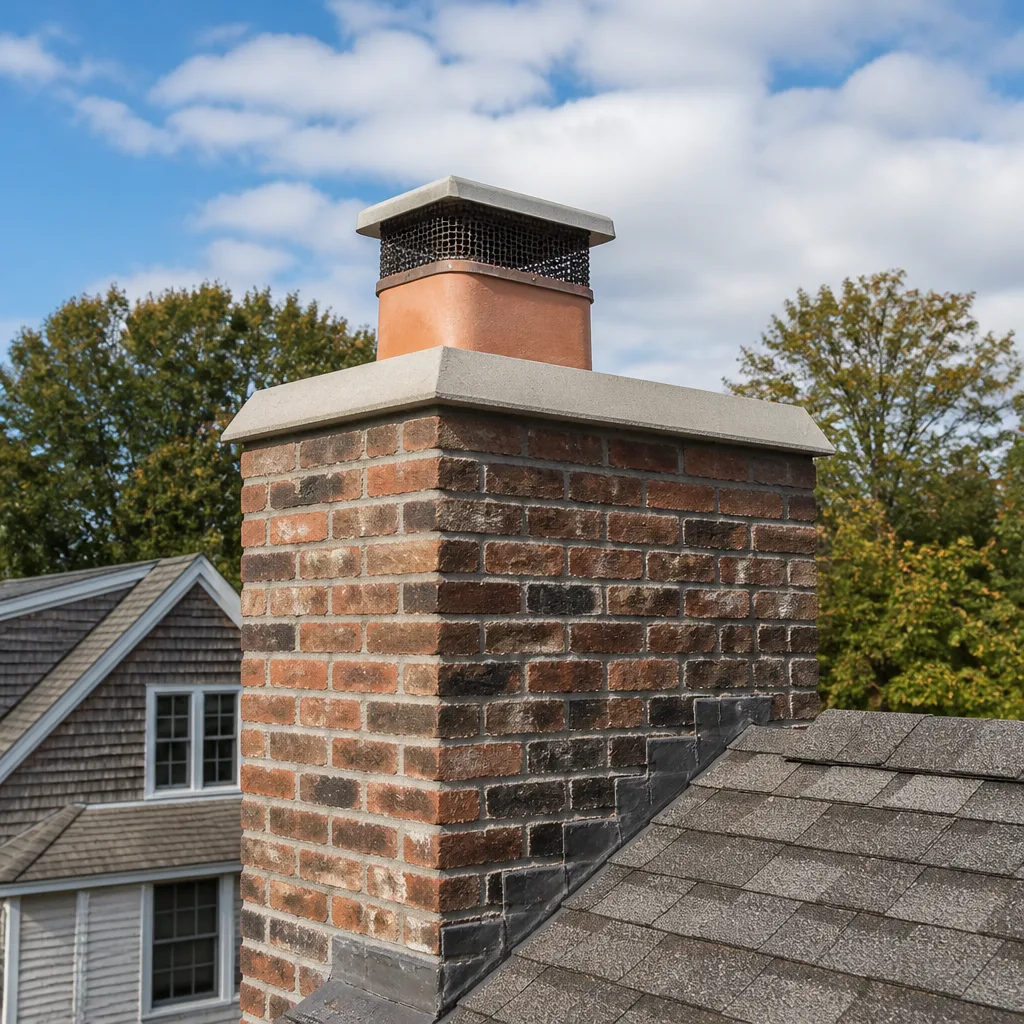 Caps & crowns
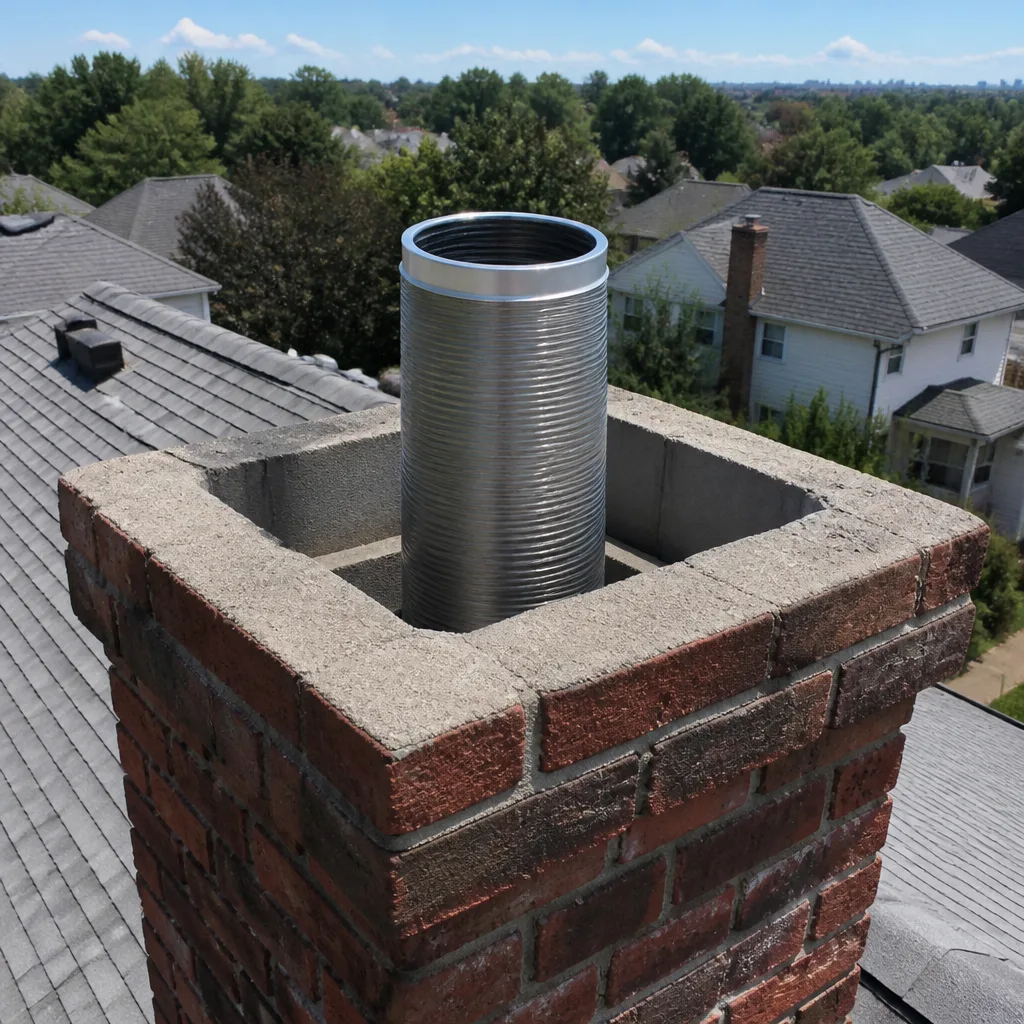 Flue relining
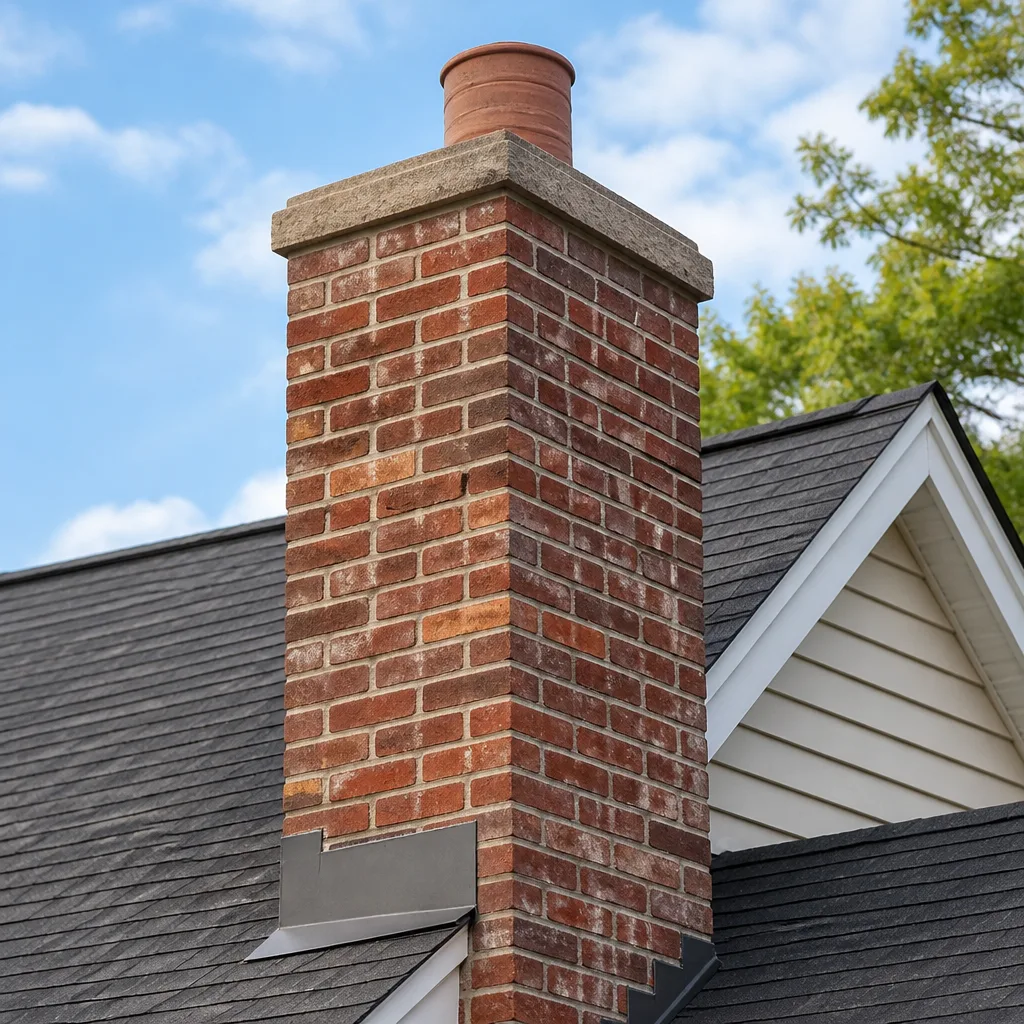 Masonry repair
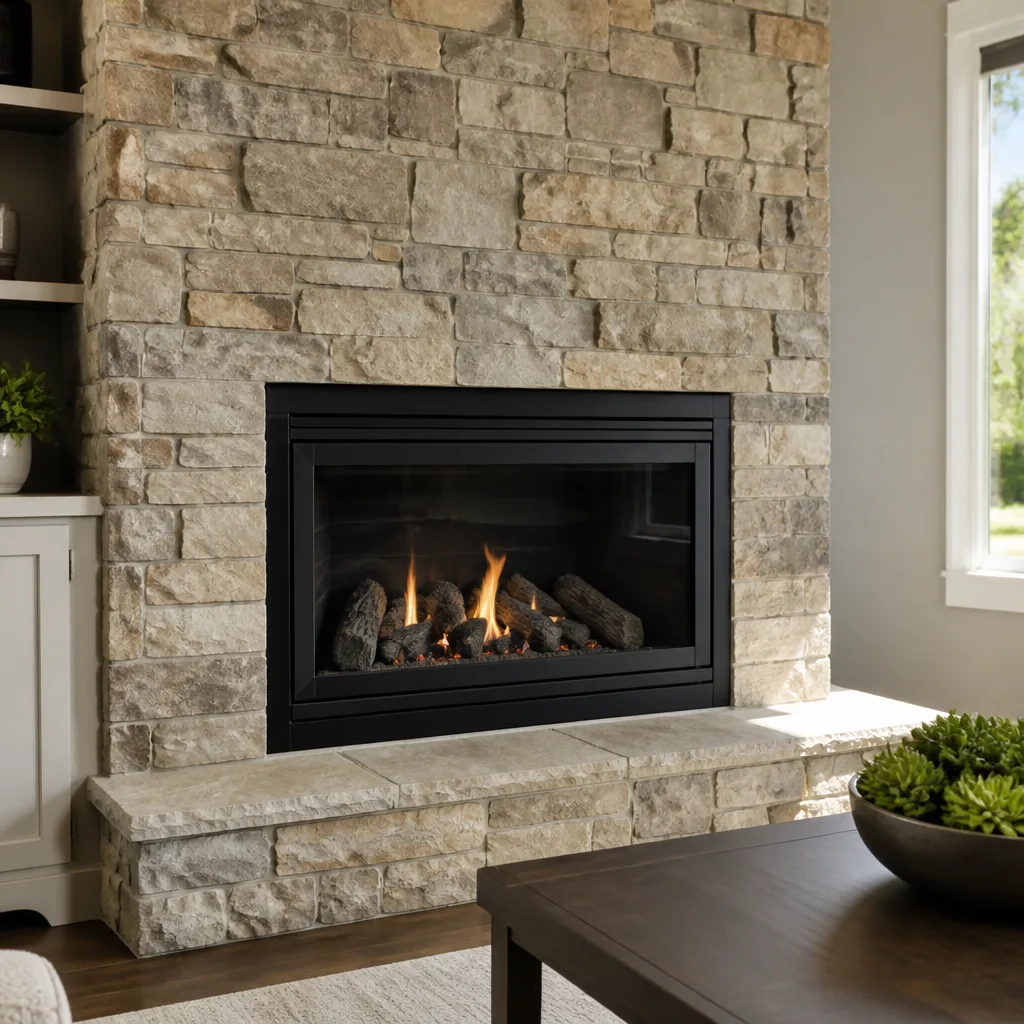 Gas fireplace service
Level 1 sweep and inspection to the NFPA 211 annual standard - flue, crown, cap, and flashing checked and photographed
Chimney sweep logs do not sweep chimneys. They loosen some creosote - which then falls where a brush and vacuum still have to collect it.
Chimney Cleaning Cost Breakdown: The Herriman Homeowner’s Reference for 2026
A $79 chimney cleaning and a $299 chimney cleaning are not the same service with a different markup. They are literally different tasks. One might be a quick brush-and-go with no vacuum running and no look up the flue. The other includes a proper sweep, a visual inspection, a camera look at the liner, and a written report you can hold onto. The number on the quote tells you almost nothing on its own. What matters is what’s included at each tier, and once you can see that, you can compare two quotes on equal terms instead of guessing why one is nearly four times the other. In this guide we break down what Herriman homeowners actually pay for in 2026, what the add-ons cost, and why the cheapest quote is often the most expensive decision in the long run.
Quick Answer
Chimney cleaning in Herriman typically runs $150 to $350 for a standard wood-burning fireplace sweep with a visual inspection, while a full-service cleaning that adds a Level 2 camera inspection usually lands between $250 and $500. Chimney cap replacement commonly costs $150 to $450 depending on the material and fit, and crown sealing runs $200 to $500. The written estimate sets the final price, and the scope of work, not the brand name of the sweep, is what drives the difference between one quote and another.
Styles & brands we work with
- Sweep & inspection
- Caps & crowns
- Flue relining
- Masonry repair
- Gas fireplace service
Table of Contents
- What actually drives the cost of a chimney cleaning?
- What a basic sweep includes versus a full-service cleaning
- Add-on costs in Herriman: camera inspection, caps, crowns, mortar
- Why some quotes come in so low
- How use, fuel type and time since the last cleaning change the price
- Herriman conditions that affect a chimney’s workload
- Questions to ask before you accept any quote
- When to call a professional
What actually drives the cost of a chimney cleaning?
Cost in chimney work tracks scope, access and condition. A sweep on a straight flue behind a standard fireplace box with an open hearth is a faster, simpler job than the same sweep on a flue with an offset, a tight damper, or a firebox packed with years of creosote glaze. The equipment needs are different. The time is different. And the amount of checking that has to happen after the brush goes up is different.
Four things move the price of a cleaning itself:
- Appliance type. A wood-burning open fireplace, a wood stove insert, a gas insert and an oil appliance each require a different approach, and some need the flue accessed from the roof rather than from inside the house.
- Flue condition and buildup. Light soot brushes out cleanly. Glazed, hardened creosote may take more passes, more time and more careful handling.
- Access. A roof with a steep pitch, a chimney on a hard-to-reach part of the roofline, or a cap that has to come off first all add work.
- What’s included afterward. A written report, photos, and a camera inspection are separate line items. Skipping them lets a company quote a lower number without telling you what it left out.
Our technicians have up to 12 years of experience, and the one thing that experience makes plain is that you cannot price a chimney cleaning sight-unseen any better than you can price a car repair without opening the hood. A quote is an estimate. The inspection is what tells the truth about the actual condition of the flue. That is why we inspect before we recommend anything, and why the honest number is often a range until we have been on site.
One more factor worth naming: Herriman sits high in the Salt Lake Valley, and the burning season here is long and cold. A chimney that runs all winter builds up more material than one that sees a fire a few nights a month. That reality is baked into why frequency matters, and it comes up again further down.
What a basic sweep includes versus a full-service cleaning
A basic sweep and a full-service cleaning sound like the same thing because they share a name. They aren’t. Here is the difference, itemized, so you can see exactly what a quote is buying.
A basic sweep typically covers:
- Brushing the flue to remove loose soot and light creosote from the firebox up to the top of the flue.
- A quick visual check of the firebox and damper.
- Soot cleaned up with a vacuum during or after brushing, though not every low-cost provider runs one.
A full-service cleaning adds:
- The same sweep, done with the flue protected so soot does not drift into the room.
- A visual inspection of the firebox, damper, smoke chamber, flue and cap.
- A Level 2 camera inspection when the appliance or the situation calls for it, so the whole length of the liner is seen, not guessed at.
- A written report noting the condition of the flue, any cracking or gaps, the cap and the crown, with photos as evidence.
- A clear recommendation that separates what needs attention now from what can safely wait.
That last point is the crux. We will tell you what we found and what it actually means. A camera shows whether the liner is intact, whether there is a gap at a joint, or whether buildup is glazed and needs a different approach. When we recommend repair, it’s because the camera saw a problem you can see for yourself on the report. When work can safely wait, we say so. The full-service cleaning costs more because it does more, and the report is the whole reason the inspection is worth paying for.
If you’re ready to get the exact scope priced, our chimney sweep covers the sweep and the inspection together so you’re not comparing apples to oranges.
Add-on costs in Herriman: camera inspection, caps, crowns, mortar
The cleaning is usually the smallest part of a chimney’s maintenance budget over time. Repairs and add-ons are where the real numbers live, and knowing the ranges keeps you from being surprised. The estimates below are typical for the Herriman market in 2026.
Level 2 camera inspection
Usually runs $150 to $350 as a standalone, or bundled into a full-service cleaning. The camera travels the full length of the flue and shows the interior of the liner on a screen. It’s the difference between a guess and a diagnosis, and it’s what turns “you need a new liner” into something you can verify with your own eyes.
Chimney cap replacement
Commonly $150 to $450 depending on the material and fit. A cap keeps rain, animals and debris out of the flue, and a missing or rusted cap is a frequent find on older Herriman homes. We stock and install caps from Gelco and Famco, brands specified by chimney professionals for longevity and proper fit, not the thin hardware-store version that warps in a season.
Crown sealing and repair
Typically $200 to $500. The crown is the concrete cap on top of the chimney that sheds water away from the masonry. A cracked crown lets water in, and water is what ultimately destroys brick and mortar from the inside. Sealing or repairing the crown early is one of the cheaper things you can do for a chimney.
Minor mortar repair
Usually $250 to $600 for spot repointing where joints have worn or washed out. Larger masonry repairs climb from there, and a full reline with a DuraFlex flexible liner system sits in a higher range that depends on the length and diameter of the flue. We install and work with DuraFlex liner systems, HeatShield ceramic resurfacing, Gelco and Famco caps and crowns, and source materials from Olympia Chimney and Copperfield. The brand matters because a liner or cap built to last changes how often you’re paying for this work again.
HeatShield is worth a note on its own. It’s a ceramic resurfacing system for masonry liners that repairs the interior without tearing the chimney apart, which is a less invasive and often less costly alternative to full demolition and rebuilding. Not every company can apply it. When your flue is a candidate, it can save you real money over a full rebuild.
Why some quotes come in so low
A low quote is not automatically a bad one. But when a number is dramatically lower than everything else you’ve been given, the question isn’t whether the sweep is cheaper. It’s what got left out to make that number possible. Here is what tends to disappear.
- Skipped inspection. No look up the flue, no camera, no report. You paid for a brush and got a brush. You don’t know the condition of your liner at all.
- No vacuuming. Brush a flue without a vacuum running and soot settles over the room, the mantle and your furniture. It’s fast and cheap for the sweep and a mess for you.
- Limited equipment. A short brush and a hand-held light won’t reach a deep flue or see a joint. Companies working with a small kit give you a small scope.
- No written report. Without documentation, there’s no way to compare what you got to what another company would have done, and no record of condition for next time.
- Upsell-first pricing. Some low numbers are loss leaders. The cleaning is cheap because the visit is really about selling you a liner you may not need. That’s the opposite of starting with diagnosis.
When you compare quotes, compare the scope line by line. Two numbers for a cleaning are only comparable if they cover the same tasks. If one includes a camera and a report and the other doesn’t, the gap is the inspection, and the inspection is exactly what tells you whether your chimney is safe to use this winter.
How use, fuel type and time since the last cleaning change the price
The single biggest driver of cleaning cost is not the company. It’s the chimney. How often you burn, what you burn, and how long it’s been since the last sweep all change how much work one cleaning actually is.
Frequency of use
A fireplace used a few times a month through a Herriman winter builds up modest soot. A fireplace that runs most cold nights across the season builds more. The difference shows up in brush passes and time, and it can push a quote from the lower end of the range toward the middle or upper end. A home that skips a couple of seasons may need more passes still.
Fuel type
Wood is the most common fuel here, and wood that isn’t properly seasoned leaves more creosote, which is harder to remove than light soot. Gas inserts accumulate less but still need checking, and some gas situations call for a camera look to confirm the liner. Oil appliances leave a very different residue that takes more care to clean. Different fuels, different equipment, different time.
Years since the last cleaning
Long gaps mean more buildup and more unknowns. A flue that hasn’t been touched since before the house changed hands is a situation that warrants the camera, because no one knows its condition. That’s often where a first-time cleaning lands at the full-service tier, and it’s the right place to start.
The general rule on frequency
Most wood-burning chimneys should be inspected once a year and swept when the inspection shows buildup that warrants it. This isn’t a hard number, because the grade of wood and the amount of use vary home to home. A homeowner who burns daily through cold nights often needs a sweep more frequently than one who lights a fire on the weekend.
Herriman conditions that affect a chimney’s workload
Herriman’s position in the Salt Lake Valley shapes how hard a chimney works. The winters here are long and cold enough that fireplaces earn their keep, and a fireplace that runs through the cold months builds creosote well before the next season. That’s why a December check on a chimney you cleaned in the fall can still find material worth removing.
The valley’s air quality story matters too. On inversion days, outdoor air is trapped and still, and it’s exactly those days when many homeowners burn most. That’s not a reason to skip the fire, but it is a reason the burning season here is intense and concentrated, which loads the flue faster than a milder climate would. The chimney is a working system, and it doesn’t get much downtime.
Housing stock plays a role as well. Herriman has a mix of newer construction and homes from earlier decades, and older fireplaces sometimes carry masonry liners that have seen a lot of heating cycles. Newer homes may have inserts and liners installed differently. The condition you find on a first inspection in Herriman often surprises homeowners who assumed a house’s chimney is fine because it looks fine from the living room.
None of this changes the price of a sweep by itself. It changes the odds that a sweep turns up something worth looking at, which is the argument for starting with the inspection and building the cleaning recommendation on what it finds. For a closer look at the repair side, our chimney repair page covers what those findings usually turn into and how they’re addressed.
Questions to ask before you accept any quote
Comparing quotes only works if you’re comparing the same scope. These questions level the playing field so a low number doesn’t quietly mean “less work.” Ask them before you book.
- Does the price include an inspection? A visual inspection at a minimum, and a Level 2 camera inspection if the flue condition is unknown or there’s been a change of appliance. If inspection is extra, the base number is not the real price.
- Do you run a vacuum during the sweep? This tells you whether you’ll be cleaning up afterward. A professional sweep contains the mess.
- Will I get a written report with photos? This is the record of your chimney’s condition and the basis for any repair recommendation. No report, no real inspection.
- What exactly does the cleaning cover? Firebox, damper, smoke chamber, flue and cap. Get it named, not lumped into “full cleaning.”
- If you find something, what’s the estimate process? Repairs should come with a written estimate and evidence from the camera you can see for yourself. Nothing should be recommended on a hunch.
- What brands are you installing? For caps, crowns and liners, professional-grade matters. DuraFlex, HeatShield, Gelco, Famco, Olympia Chimney and Copperfield are the supply lines chimney specialists use. Big-box alternatives don’t hold up the same way.
- Can you do the repair yourself, or do I need another contractor? If the answer is a referral elsewhere, you’ll pay for a second visit and a second inspection. One company from inspection to finished repair saves both.
These questions aren’t a test of the company so much as a way to make the numbers comparable. When two quotes answer all seven the same way, the lower one is genuinely lower. When they don’t, the gap is the missing scope.
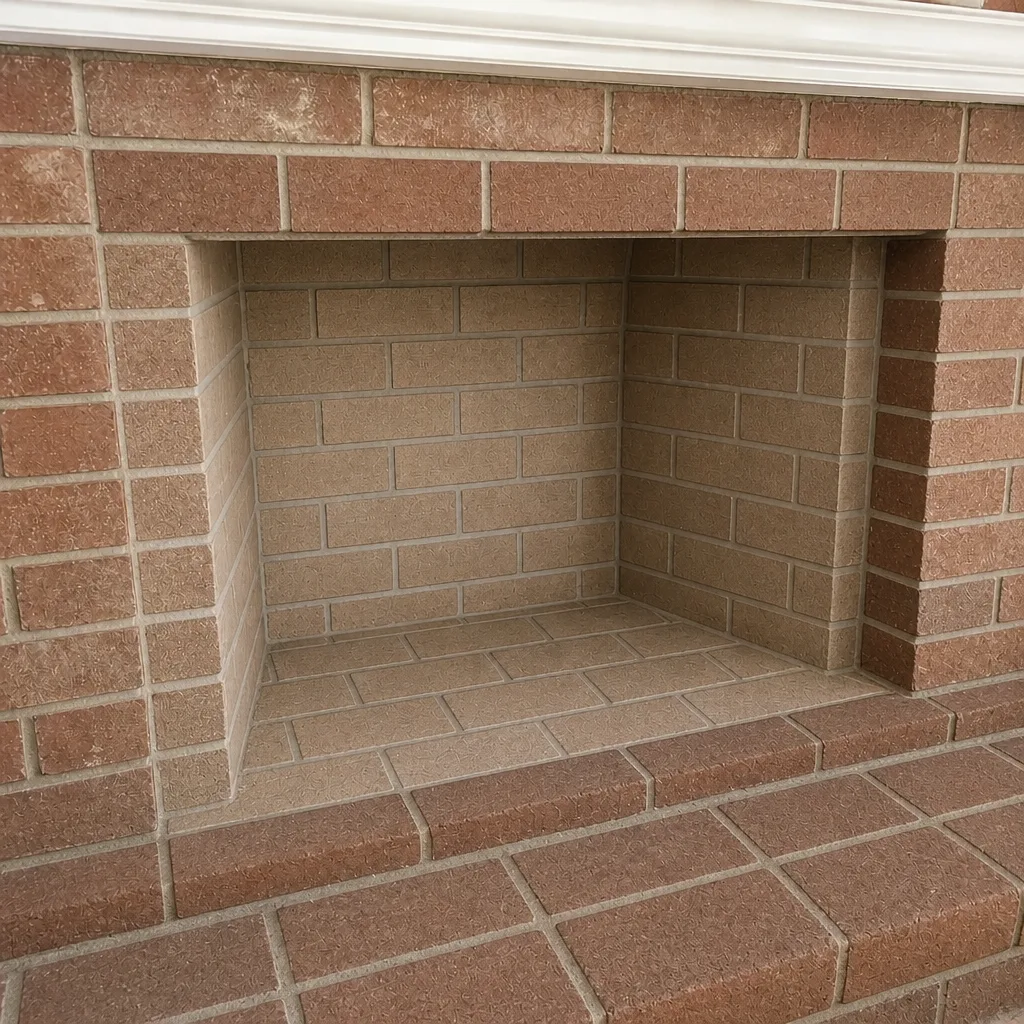
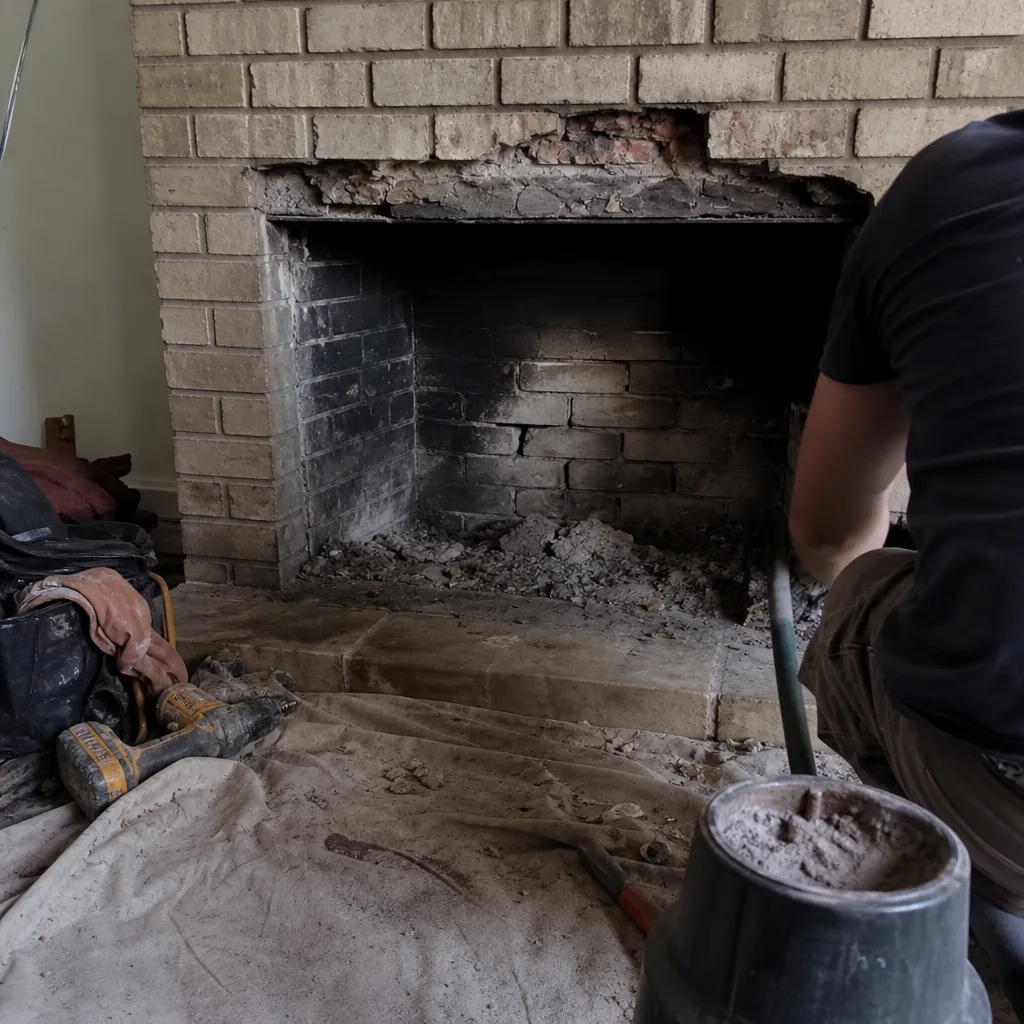
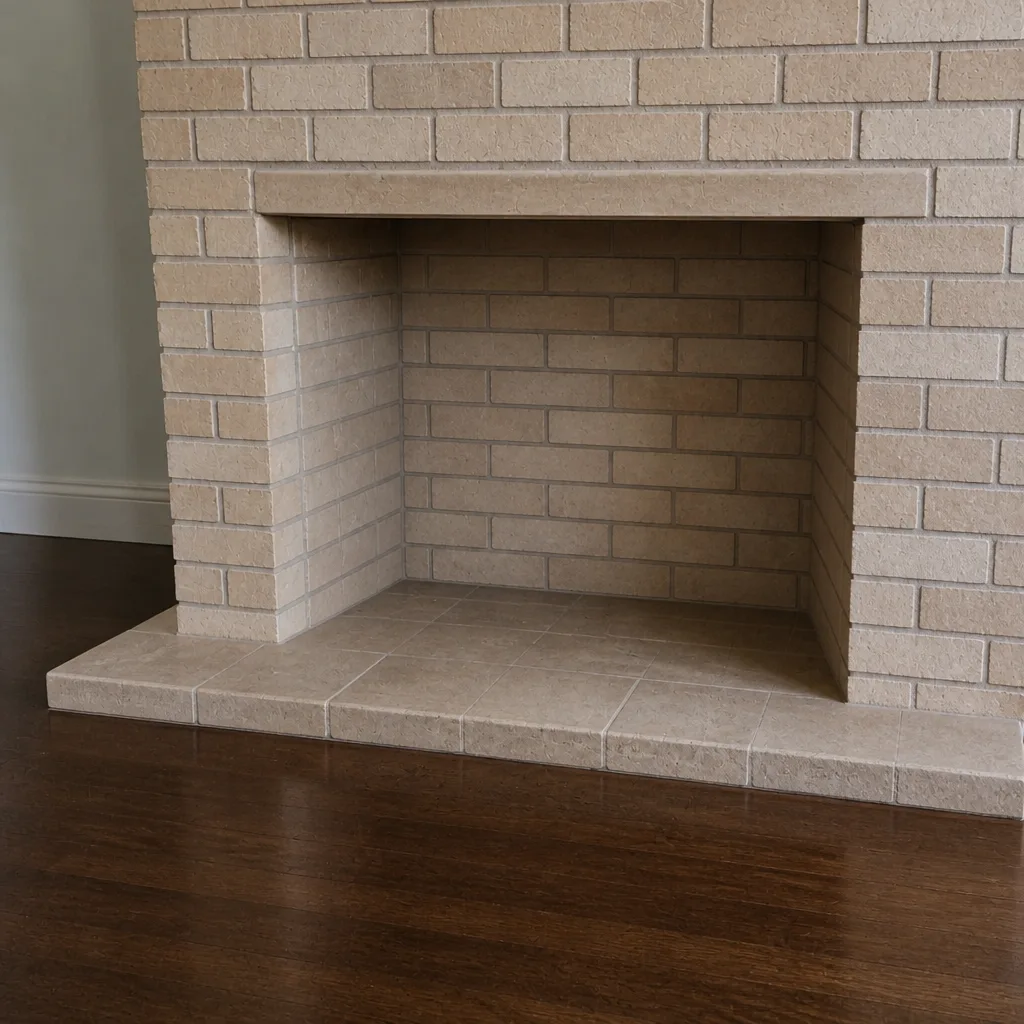
See the difference
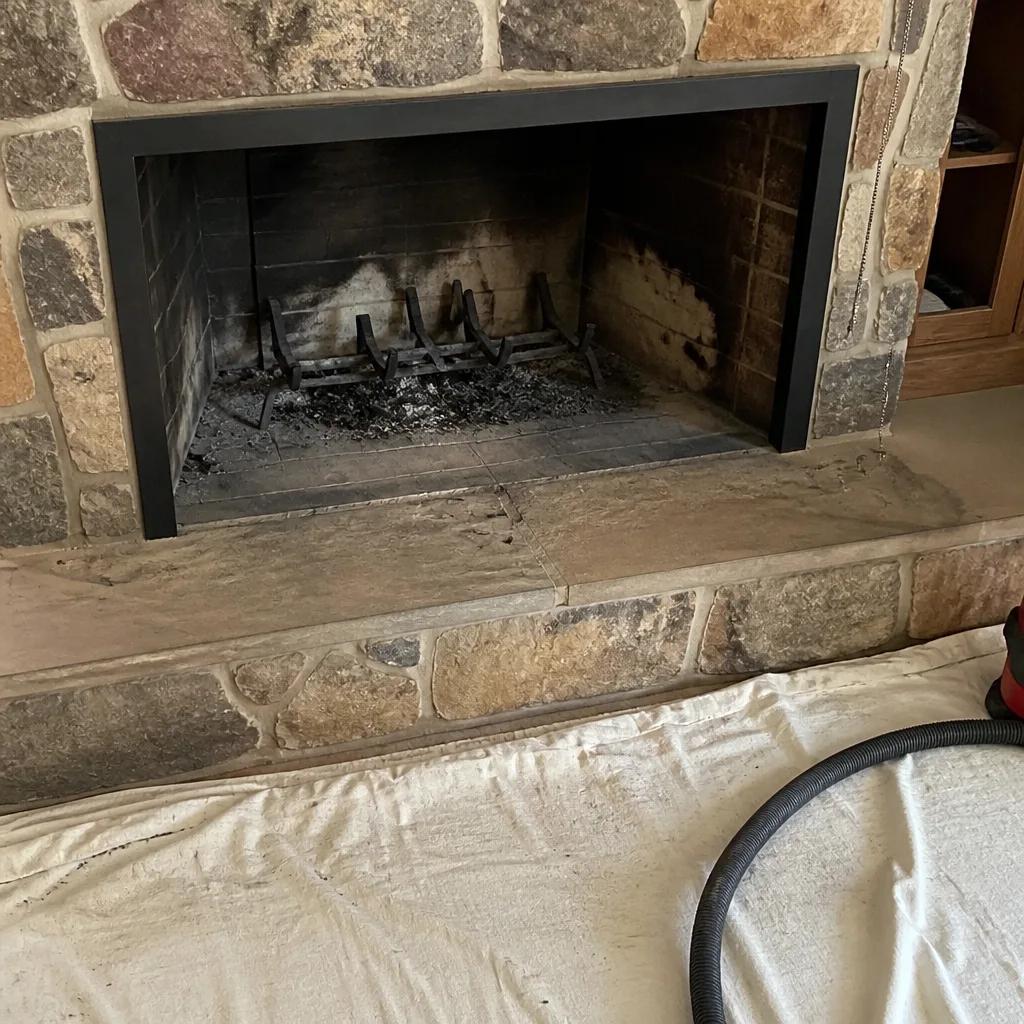 Before
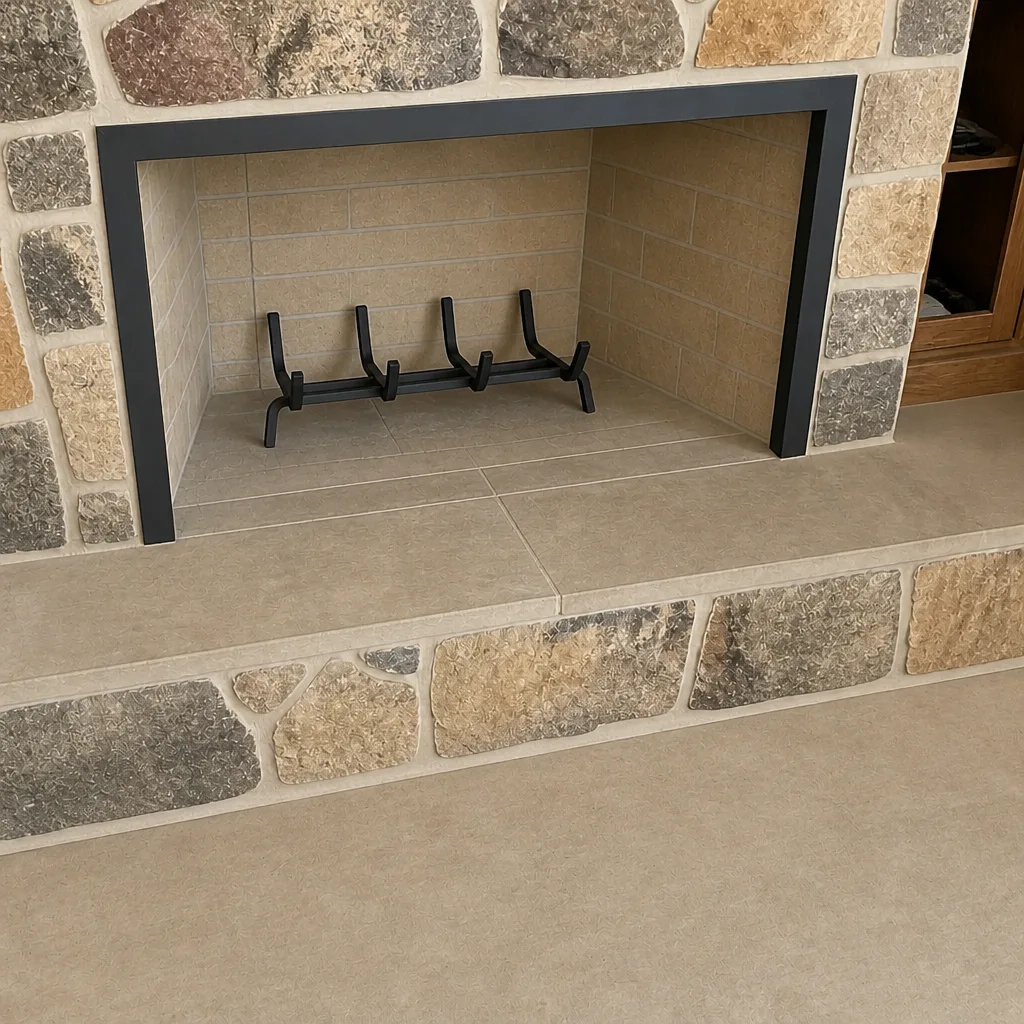 After
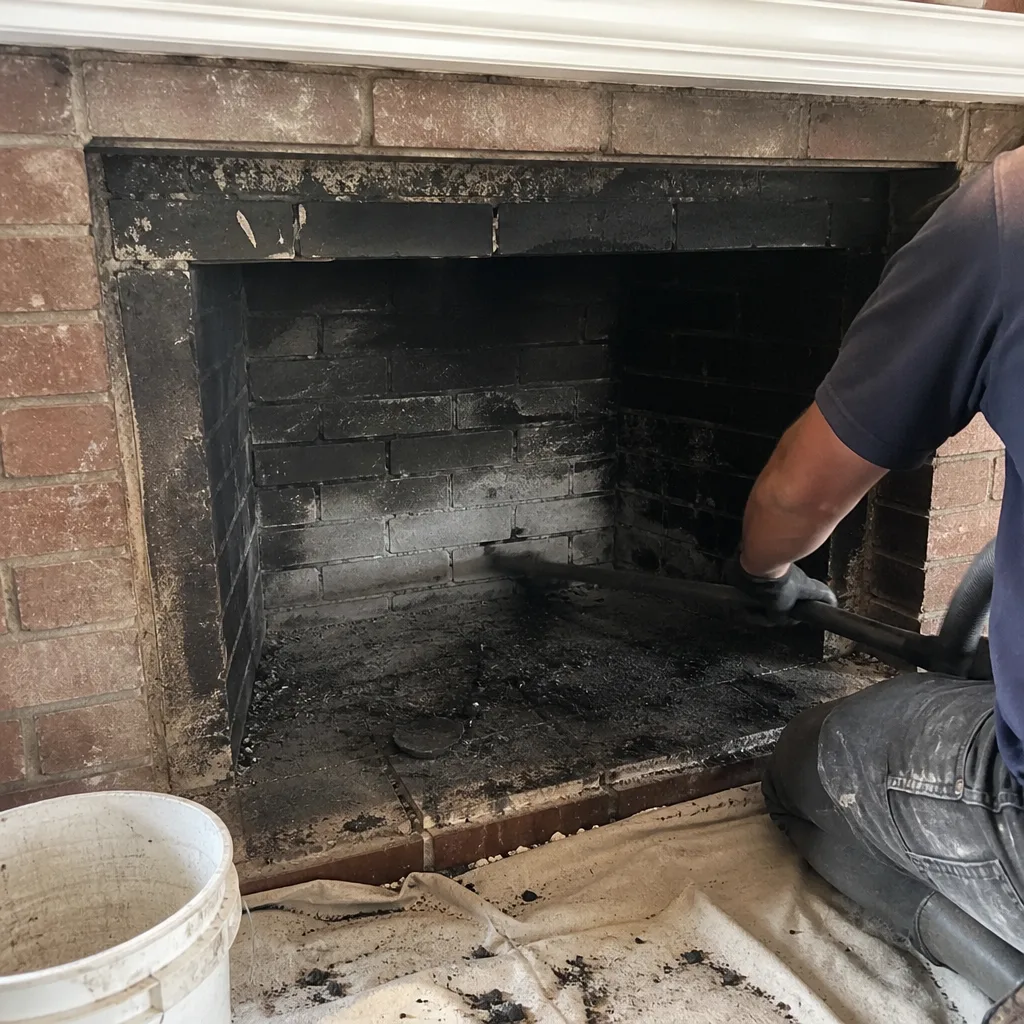 Before
 After
 Before
 After
Common Mistakes to Avoid
- Booking the cheapest quote without checking scope. A number that excludes the inspection and the report isn’t a cheaper cleaning, it’s a smaller one. You’ll wind up paying for the inspection anyway when something is uncertain.
- Skipping the inspection because the cleaning “looks fine.” What looks fine from the living room tells you nothing about the flue. The whole point of inspection-first is diagnosis before recommendation, and it’s the only way to know your chimney is actually safe.
- Putting off a sweep because the fire still draws. A chimney can draw fine even with creosote buildup or a cracked crown. Waiting until the draw changes means waiting until the chimney is telling you there’s a problem the hard way.
- Replacing a cap with a hardware-store model. A thin cap warps and rusts within a season and lets water and animals back in. A professionally specified cap from Gelco or Famco lasts and fits, which costs less over the years than replacing it twice.
- Assuming a full reline is the only fix for a masonry liner. Ceramic resurfacing with HeatShield repairs a masonry liner without full demolition in the right circumstances. Ask whether your flue is a candidate before accepting a rebuild quote.
- Ignoring the crown. A cracked crown lets water into the masonry, and water damage compounds quietly. Sealing or repairing it early is cheaper than the repair it prevents.
- Treating a low quote as the final price. If the visit turns into an upsell or a separate inspection charge, the low number was never the price. Ask what’s included before you book, and insist on the written estimate.
When to Call a Professional
Chimney work, especially anything involving the flue, liner or roof access, is not a do-it-yourself job. Creosote fires and carbon monoxide are real risks, and opening up a flue to work on it without training is how those risks turn into injuries. If your fireplace hasn’t been swept in a season or more, if you’ve just bought a home and don’t know its condition, if you’ve noticed a cracked crown, a missing cap, or a liner you’re unsure about, it’s time to have it looked at. If your neighbors are burning hard through a Herriman winter, your chimney is working harder too. We inspect before we recommend, so you’ll get a clear report of what we found and what it actually means. Herriman Chimney Sweep offers free estimates in Herriman. Call (866) 972-2258. We answer 24/7. Fast dispatch from 7am to 7pm, Sunday through Friday. The local professionals we connect you with are licensed and insured as their state requires, and we stand behind the work with a satisfaction guarantee.
Frequently Asked Questions
A standard wood-burning sweep with a visual inspection in Herriman typically costs $150 to $350 in 2026, and a full-service cleaning that includes a Level 2 camera inspection usually runs $250 to $500. The written estimate sets the final price, and the scope is what moves the number within that range. Call (866) 972-2258 for an exact quote. Estimates are free.
Only if the camera shows the liner is actually compromised, and that’s the whole point of putting a camera in before we recommend anything. Some liners need repair, some can be resurfaced with HeatShield ceramic resurfacing, and some are fine and need nothing. Nothing gets recommended without evidence you can see on the report. Call (866) 972-2258 and we’ll walk you through what the inspection found.
The general rule is an inspection once a year and a sweep whenever the inspection shows the flue needs it. In Herriman, where winters are long and the fireplace runs hard, a sweep is often warranted more frequently than a homeowner expects. The condition of the flue, not a fixed clock, decides. Call (866) 972-2258 to book a cleaning and get an honest read on frequency for your chimney.
Skipping a sweep lets creosote accumulate, and creosote is what burns in a chimney fire. Skip too long and cracks or gaps in the liner can go unnoticed, which raises the risk of carbon monoxide getting where it shouldn’t. A cracked crown left alone lets water into the masonry. A sweep and inspection catches these early, while they’re cheap to fix. Call (866) 972-2258 to get it checked.
A low quote usually leaves something out: the inspection, the vacuum, the report, or the equipment needed to reach a deep flue. The number is lower because the scope is smaller, and you end up paying separately for what you thought was included. Compare quotes line by line, and insist on a written estimate. Call (866) 972-2258 and we’ll put the scope in writing.
Most cleanings are done from inside the firebox with the flue protected and a vacuum running, and some situations call for access from the rooftop instead. Which one applies depends on the appliance and the flue. Either way, the sweep and the inspection happen together so the report reflects the whole flue. Call (866) 972-2258 to book.
The Bottom Line
Chimney cleaning prices in Herriman vary because the scope of a cleaning varies, and the number on a quote means nothing until you know what’s inside it. A basic sweep removes soot. A full-service cleaning adds the inspection, the camera, the written report and the recommendation that follows. Repairs and add-ons, from caps and crowns to mortar and liners, sit in their own price ranges and should always rest on evidence from the camera. Compare quotes on scope and brands, ask what’s included, and never accept a recommendation you can’t see. Start with the inspection and let the findings drive the work.
When you’re ready, call (866) 972-2258 for a free estimate. We answer 24/7. Fast dispatch from 7am to 7pm, Sunday through Friday.
For the full picture of how we approach chimney work across Herriman, start with Herriman Chimney Sweep, and if the inspection turns up something on the fireplace side, our fireplace repair covers that next step.
Written by the team at Herriman Chimney Sweep.