
Last updated November 24, 2026
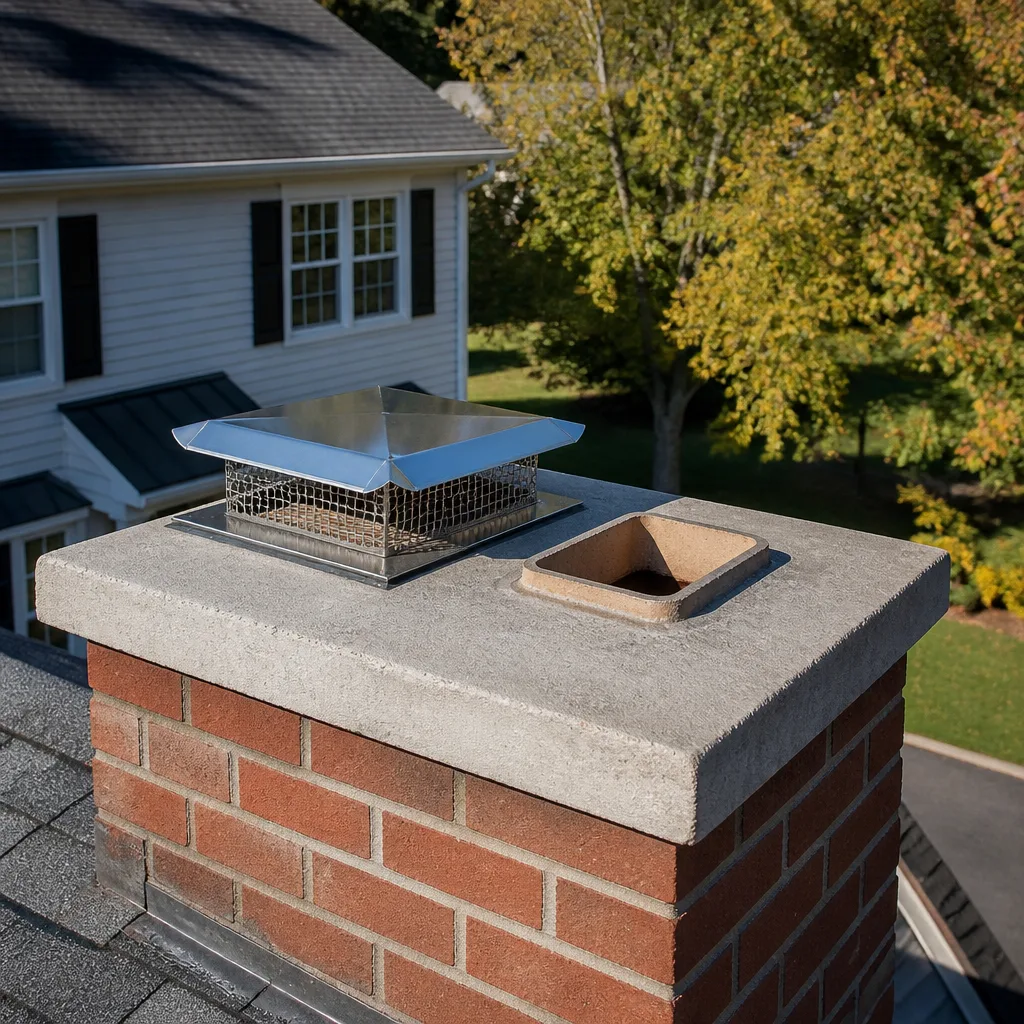 Sweep & inspection
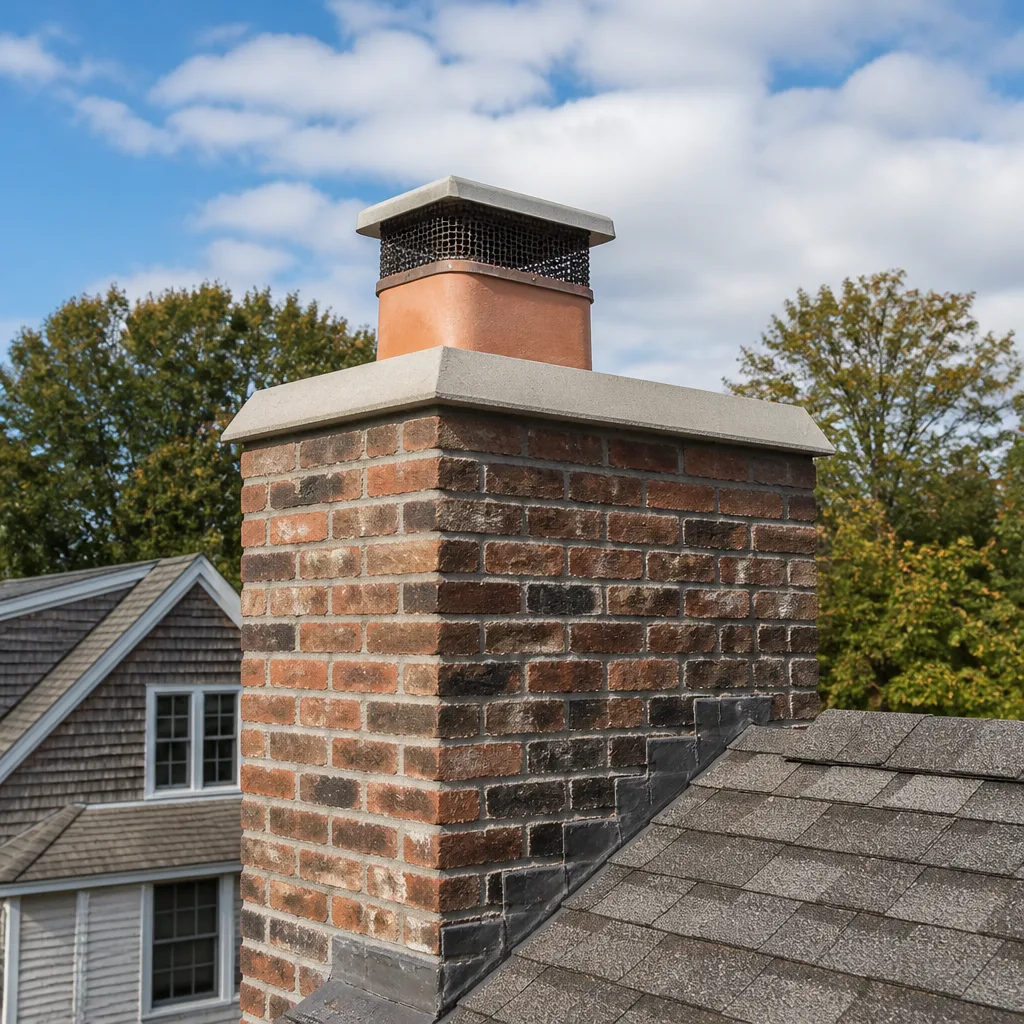 Caps & crowns
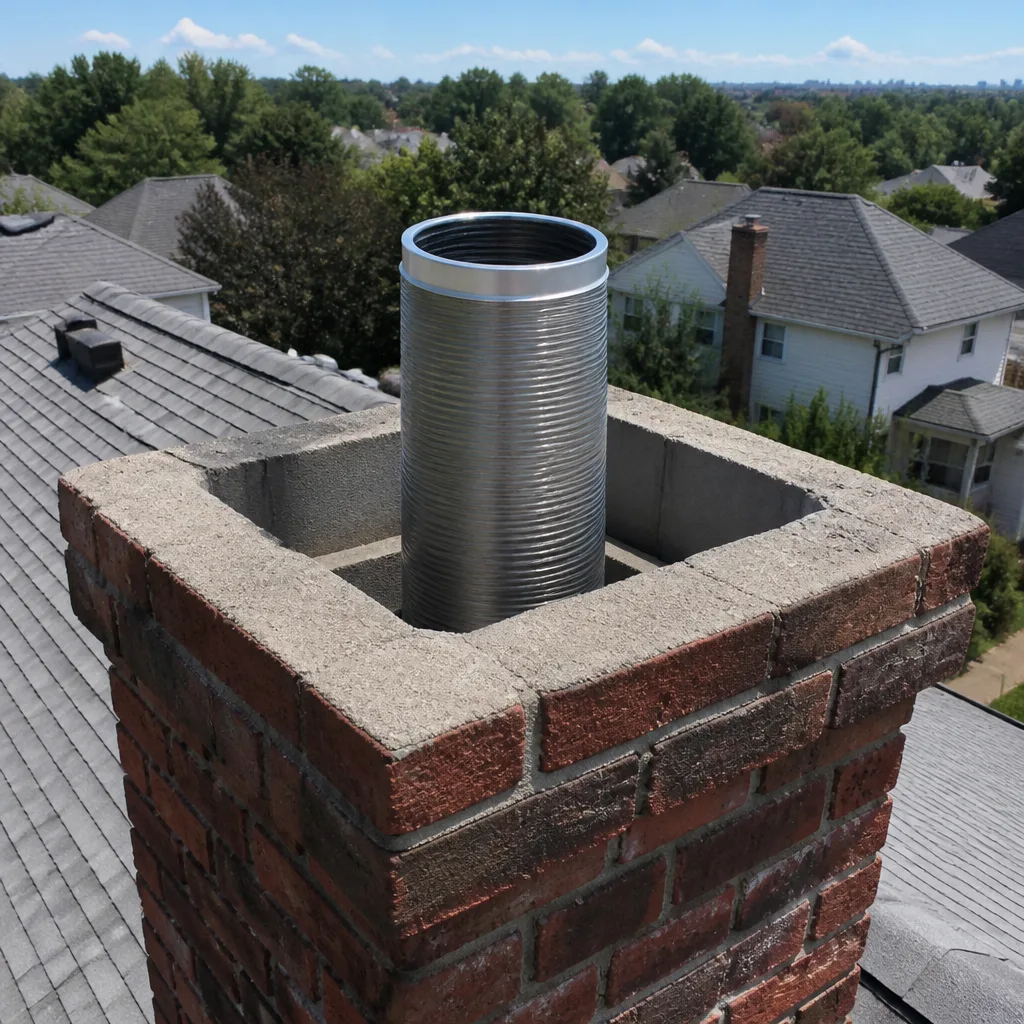 Flue relining
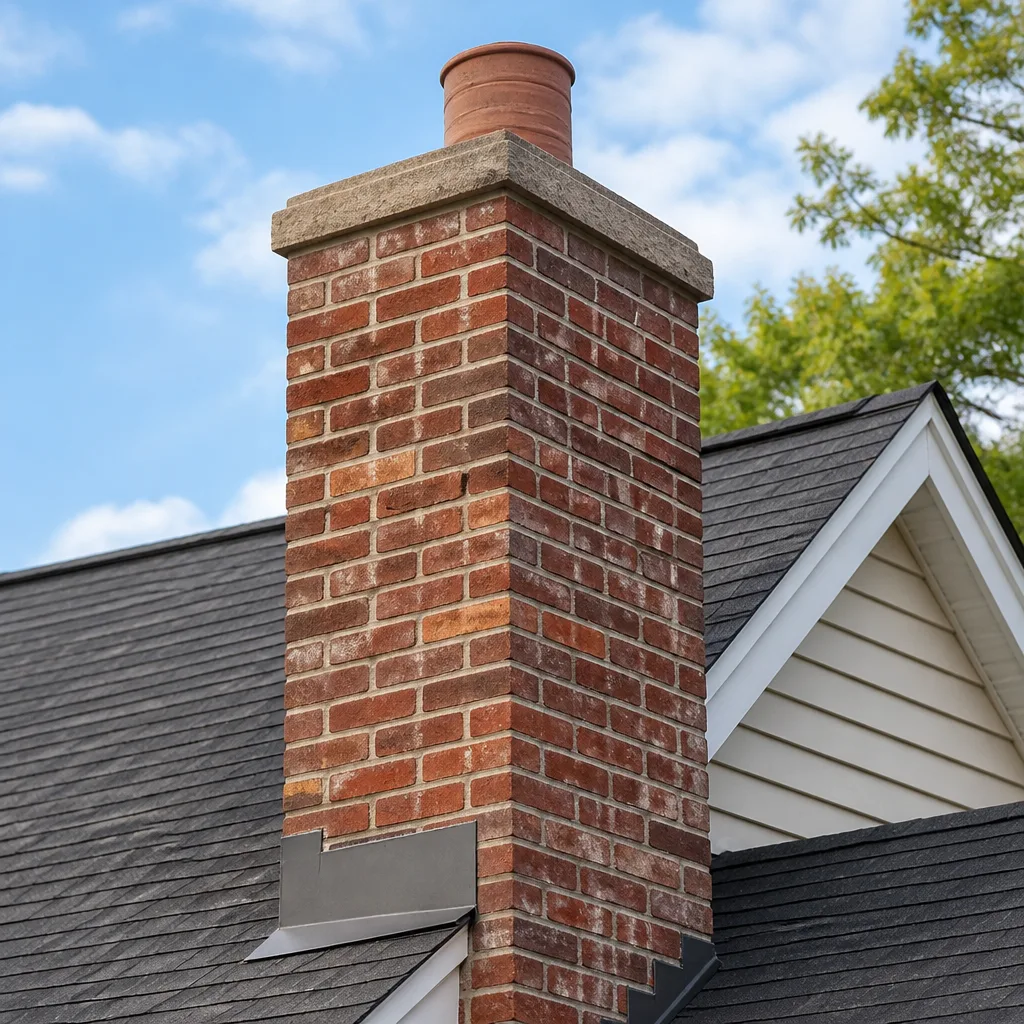 Masonry repair
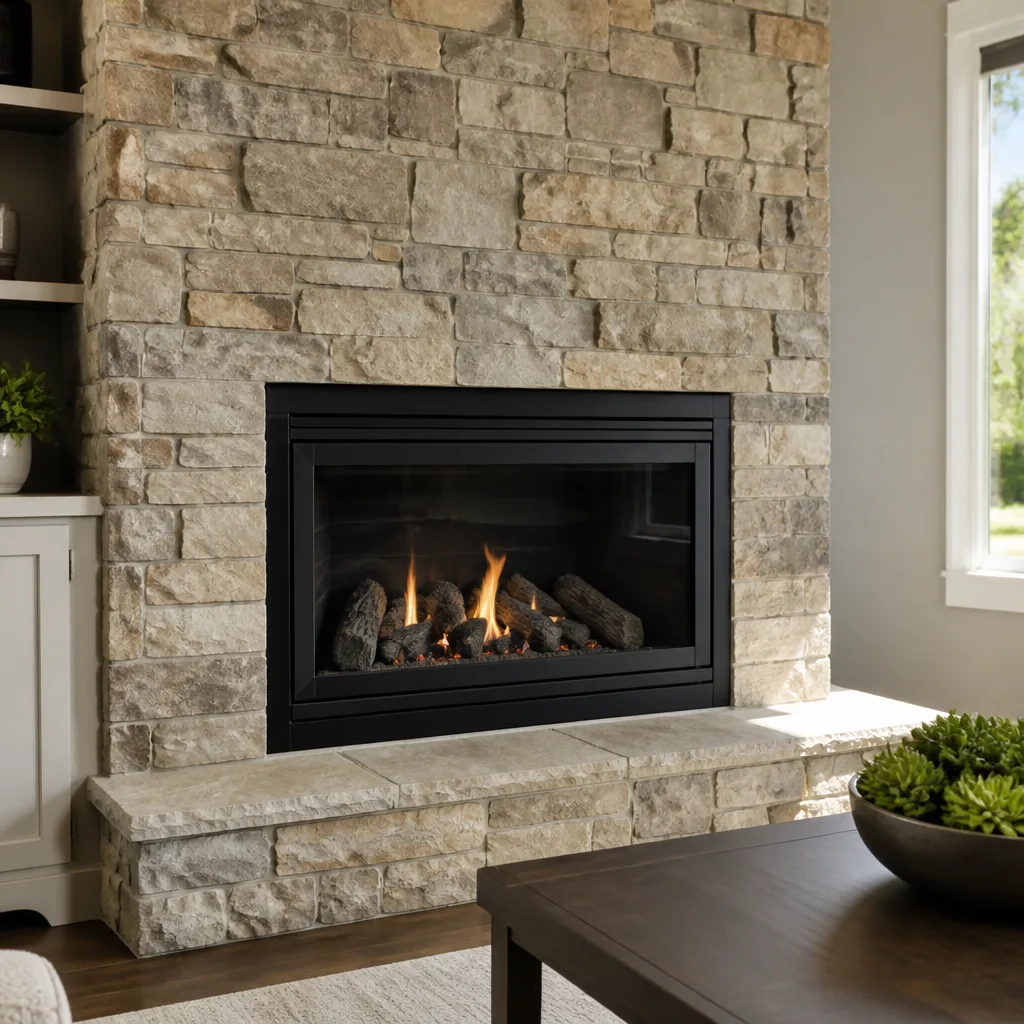 Gas fireplace service
Level 1 sweep and inspection to the NFPA 211 annual standard - flue, crown, cap, and flashing checked and photographed
Chimney sweep logs do not sweep chimneys. They loosen some creosote - which then falls where a brush and vacuum still have to collect it.
Chimney Cleaning Permits, Codes & Inspections in Herriman, UT: What You Need to Know
A chimney cleaning is not a regulated activity in Utah. Nobody from the city inspects a brush, and nobody signs off on a sweep before the technician leaves your driveway. But relining a flue, rebuilding a firebox, or changing the structure of the chase absolutely is regulated, and that permit requirement does not disappear just because a contractor chose to skip it. This is the line most Herriman homeowners never learn until a real estate appraiser or a home inspector finds the problem years later. In this guide we’ll draw that line clearly: what Utah’s fire code says, what Herriman City enforces locally, which repairs trigger permits, what to keep on file, and what to do if you suspect work on your own chimney was done off the books.
Quick Answer
Routine chimney cleaning in Herriman doesn’t require a permit. Structural chimney work does: relining a flue, rebuilding a firebox, reconstructing a crown, or altering the chimney chase all fall under permitting rules, and in most cases the work should be permitted through Herriman City’s building department. Annual inspections that follow NFPA 211 standards are the documentation that proves your system’s condition at resale. Ask any contractor, before work starts, whether a permit is required, and get the answer in writing.
Styles & brands we work with
- Sweep & inspection
- Caps & crowns
- Flue relining
- Masonry repair
- Gas fireplace service
Table of Contents
- Cleaning vs. construction: why one needs a permit and the other doesn’t
- What Utah’s fire code and Salt Lake County building code say about chimneys
- What Herriman City actually enforces locally
- The specific repairs that trigger permit requirements
- Why you should ask about permits before work starts, not after
- How annual inspections align with NFPA 211 and what to keep
- What to do if previous work looks unpermitted
Cleaning vs. construction: why one needs a permit and the other doesn’t
Homeowners in Herriman tend to lump every chimney service into one bucket, so when a technician inspects the flue and recommends a repair, it feels like an upsell. It isn’t. The confusion comes from treating cleaning and construction as the same job. They aren’t.
A chimney sweep removes creosote, soot, and debris from a flue and stove that already exist. It changes nothing about the structure. No wall is opened, no liner is swapped, no chase is altered. That’s why no building department in Utah issues a permit for a sweep.
A repair that changes the chimney system is different. Replacing a failed flue liner changes how the appliance vents. Rebuilding a firebox changes the geometry that holds combustion. Reconstructing a crown changes how water sheds off the chimney top. All three touch the structural and life-safety systems of the building, which is exactly the category building codes exist to regulate.
So the practical rule for a Herriman homeowner is: cleaning is maintenance; anything that replaces or rebuilds a component is construction.
We separate these two clearly when we work in Herriman, because we’ve seen what happens when a homeowner questions a repair recommendation and nobody explains the difference. It’s fair to ask. When the answer is clear, the decision gets easier.
What Utah’s fire code and Salt Lake County building code say about chimneys
Utah adopts building and fire codes statewide, and Salt Lake County enforces them through its building department for unincorporated areas. The chimney-specific requirements in those codes aren’t a local invention; they’re standard model code language most states adopt, covering:
- Flue liner integrity, including required clearances to combustibles
- Chimney height relative to roof slope and nearby structures
- Cap and spark arrestor requirements at the top of the flue
- Firebox and hearth construction details
- Venting of appliances through masonry or metal chimneys
In practice, these rules mean one important thing for you: when a liner or firebox is replaced, the new installation has to be inspected and meet code at the time of the work, not just “look okay” to a technician. A masonry chimney that was fine decades ago may not meet current clearances if a contractor used the wrong material.
If you want to know whether your Herriman chimney is currently in compliance, the person to ask is a licensed chimney professional, then the city building department. In our experience, most code issues we find aren’t from old construction – they’re from earlier repairs done without inspection.
What Herriman City actually enforces locally
Herriman City operates its own building department, and it uses adopted state codes as its enforcement framework. In practice, that means a Herriman homeowner filing a permit for chimney work deals with the Herriman City building department, not Salt Lake County, depending on where the property sits.
Before starting any structural chimney repair, call the city building department and ask three things: Does this specific job require a permit, what inspection is required during the work, and what final documentation will the city issue. That conversation takes ten minutes and saves months of trouble later.
Installations in Herriman and across the south valley are governed by the same state-adopted code. That’s a good thing; it means a professional who knows the code in Salt Lake County knows it in Herriman City, too.
Our technicians have up to 12 years of experience with chimney work in Herriman, and the most common permitting surprise we see is a homeowner assuming that because the work is inside the house, no permit is needed. That’s exactly backwards for chimney structures, which are part of a building’s fire-safety envelope and are treated as such by code.
The specific repairs that trigger permit requirements
Not every repair is a permitting event. Use this list as a starting point; confirm with the Herriman City building department before the work begins.
Repairs that typically require a permit
- Liner replacement or relining. Installing a new flexible liner system, such as a DuraFlex setup, changes the venting path and is treated as structural work.
- Crown reconstruction. Removing and rebuilding the concrete crown at the top of a masonry chimney.
- Firebox rebuilding. Replacing or repairing firebrick and the firebox assembly.
- Chase or structural repair. Fixing a leaning chimney, rebuilding above the roofline, or altering the chimney chase.
- Adding a new appliance. Installing a wood stove insert or a new fireplace where none existed.
Repairs that typically do not require a permit
- Sweeping and cleaning.
- Installing or replacing a chimney cap (check with the city for a specific installation).
- Small masonry repointing and mortar touch-up.
- Replacing a firebox door or glass panel on certain units.
- Removing a bird’s nest or creosote blockage.
Note that a liner repair using HeatShield ceramic resurfacing is a gray area; it repairs the existing flue rather than replacing it, but any change to a flue should be discussed with the building department before proceeding.
How a permitted chimney repair usually goes
- Inspection and written scope of work, with the diagnosis you can see in a photo report.
- Permit application filed with Herriman City and any required plan review.
- Installation of the new liner, firebox, or crown, using professional-grade products.
- City inspection of the completed work.
- Final sign-off plus copies of the inspection record for your file.
Why you should ask about permits before work starts, not after
The single most useful question to ask a chimney contractor in Herriman is also the least common: “Will this job require a permit from Herriman City?” Ask it before any contract is signed.
The answer tells you three things at once. First, whether the contractor knows the code well enough to have considered it. Second, whether they’re willing to put their work under city inspection. Third, whether you’ll be the one holding an undocumented repair at resale, which is a documented headache. Unpermitted chimney work can surface during a real estate transaction when an appraiser or inspector questions the work, and the homeowner who paid for the original job is the one responsible for resolving it.
Let’s be direct about the pattern we see: unpermitted liner jobs tend to show up when a contractor swaps a liner without permitting because they aren’t confident the installation would pass inspection. The liner itself may look fine. The clearances might be wrong. The documentation doesn’t exist.
We approach every Herriman job with the same principle: we inspect before we recommend. You see the camera footage and the photo report. If work needs a permit, we tell you so up front, and the conversation happens before the estimate, not after the invoice.
How annual inspections align with NFPA 211 and what to keep
NFPA 211 is the standard that guides how chimneys, fireplaces, vents, and solid-fuel appliances should be inspected and maintained. Annual inspections per NFPA 211 are the documentation that shows a system’s condition over time, and they’re the most useful record a Herriman homeowner can keep.
What an NFPA 211 inspection covers
- Visual inspection of the firebox, damper, smoke chamber, and flue from the firebox side.
- Inspection of the chimney top and cap, including crown condition.
- Camera inspection of the flue where access or the condition warrants it.
- Assessment of clearances to combustibles.
- A written report or photo report with findings.
We use a three-tier inspection scope based on the NFPA 211 levels: basic visual inspection, accessible-area inspection, and full inspection with camera and, when needed, video. The findings drive the recommendation. If a flue looks fine, we say so. If we find a failed liner, you see the footage and the reason the recommendation exists.
What to keep in your file for future resale or insurance questions:
- The dated inspection report or photo report.
- Cleaning date and any notes on creosote level found.
- Permit copies and city inspection sign-off for any structural repair.
- Installation records for liners, caps, or appliances.
When we do a chimney repair, the permit documents and inspection record become part of your file. Keep all four documents together in the same folder, not scattered in drawers or email attachments.
What to do if previous work looks unpermitted
It’s more common than you’d think. Whether you bought a home in Herriman with an older liner of unknown age, or a contractor replaced the crown years ago with no paperwork, you’re not stuck with the problem forever. The path forward is straightforward.
- Get an inspection from a licensed chimney professional. The goal is documentation, not judgment. A camera inspection will show what’s there and whether it actually performs safely.
- Pull a permit history from Herriman City. The building department can tell you whether any permits were issued for the address.
- If the work appears sound and code-compliant, you may be able to have the work documented retroactively through the city’s process, though this varies and the city will explain the options.
- If the work does not meet current code, plan a proper repair. Two paths are common: full liner replacement with a professional product such as DuraFlex, or a less invasive liner repair using HeatShield ceramic resurfacing where the condition allows it.
- Document the correct repair with a permit and inspection, then keep the paperwork.
If you’re looking at a Herriman home purchase and the inspection flags unpermitted chimney work, the seller is the one who should resolve it before closing. That’s an entirely normal negotiating point, and it’s better told before the sale than discovered after.
Common Mistakes to Avoid
- Assuming interior work needs no permit. Chimney work inside the home is still structural and still reviewed by the city when the code requires it.
- Trusting a contractor who won’t discuss permits. If a contractor won’t talk about permits or dodge the question, that’s a warning sign of badly planned work.
- Keeping no paperwork at all. Years later, a home inspector at resale will want to know what was done and when. A missing file is indistinguishable from unpermitted work.
- Assuming a sweep tech can decide code questions. A sweep professional knows condition; the building department decides compliance. Ask the right source.
- Skipping the annual inspection because the fireplace “seems fine.” Chimney systems fail quietly inside a flue. A visual inspection is the only way to know.
- Letting a cap or crown repair firebox issue go unaddressed. A cracked crown lets water into the chase, and water damage in Herriman’s freeze-thaw winters compounds quickly.
- Hiring a general handyman for liner work. Liner installation requires specific product knowledge and inspection, and most general contractors don’t carry that.
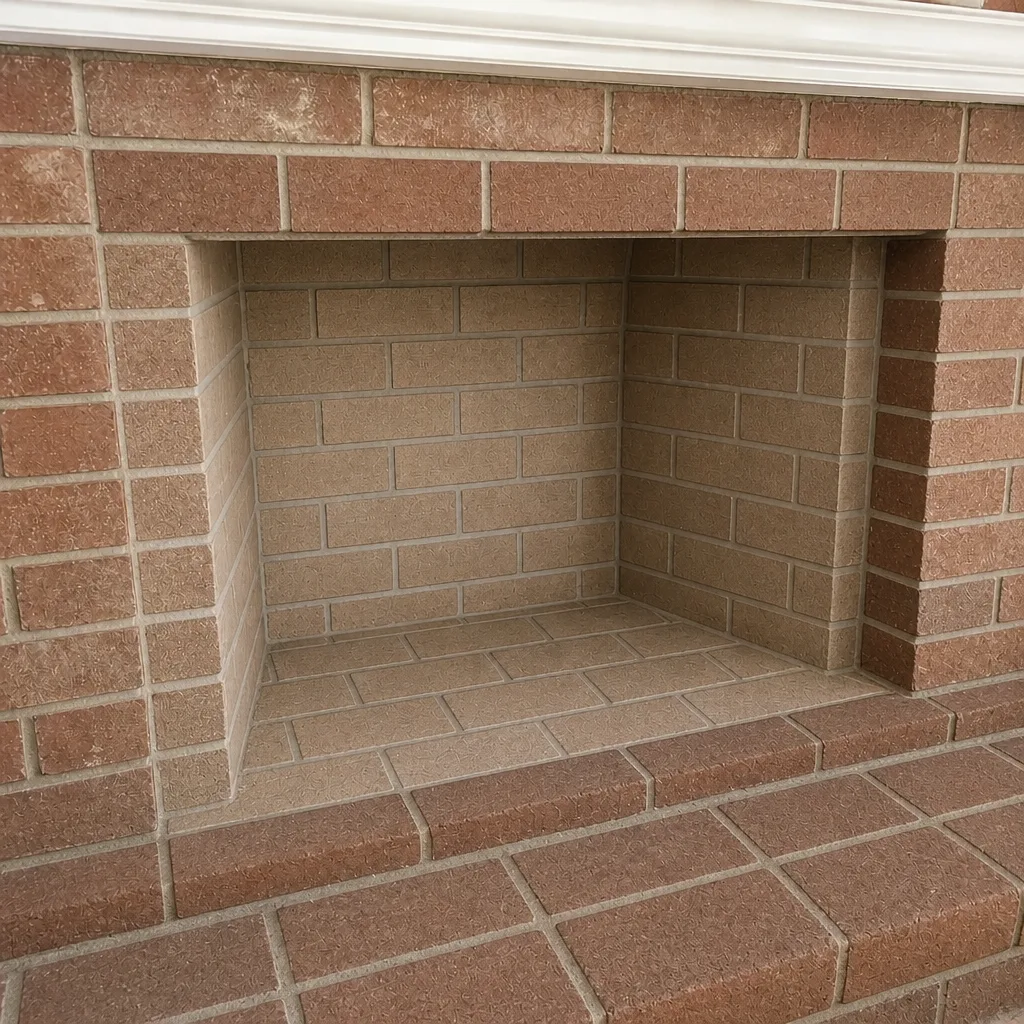
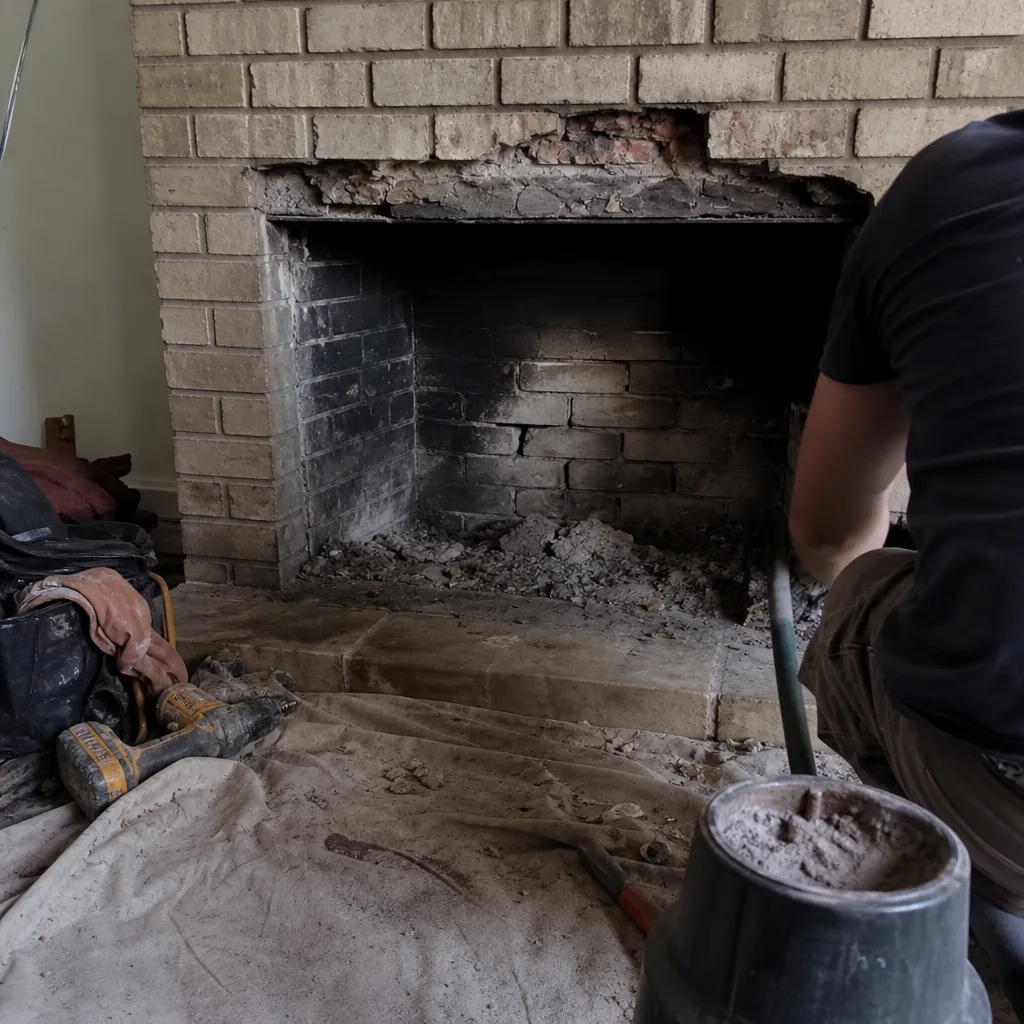
See the difference
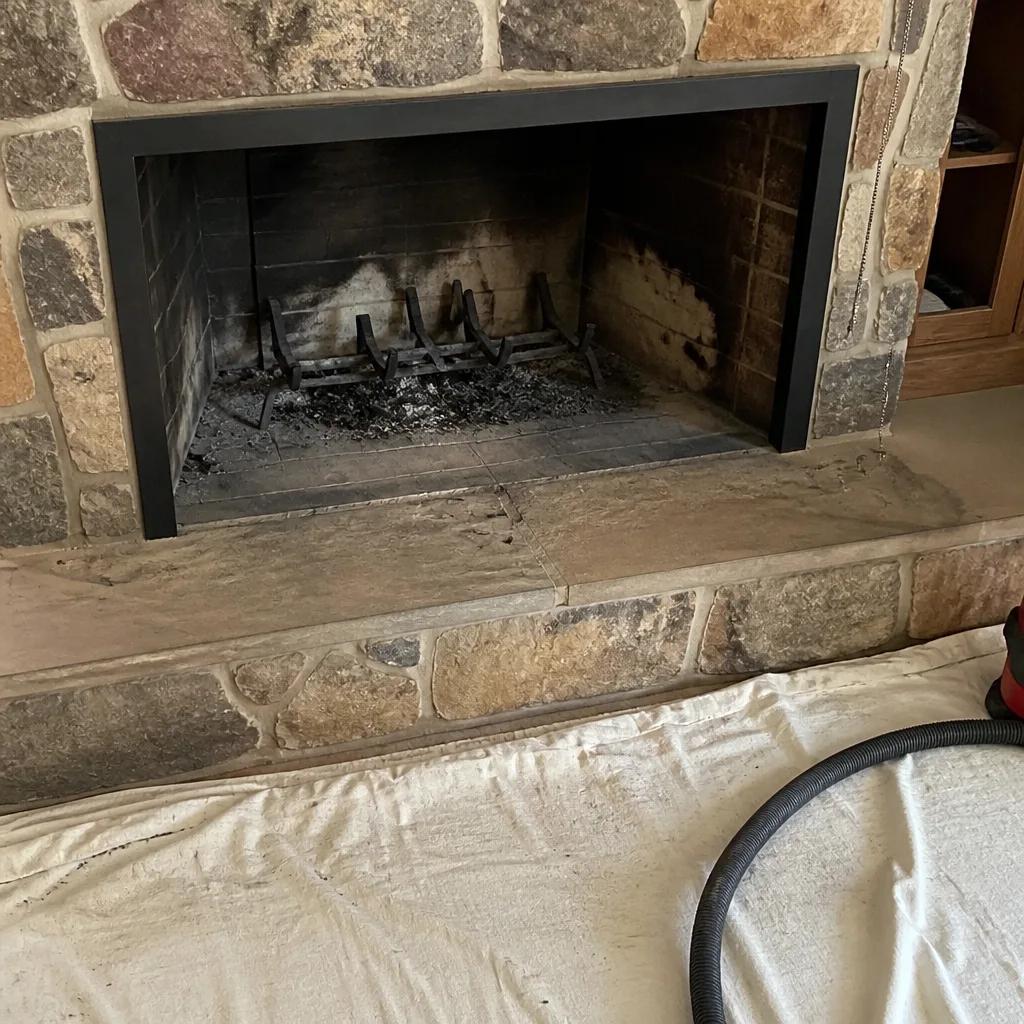 Before
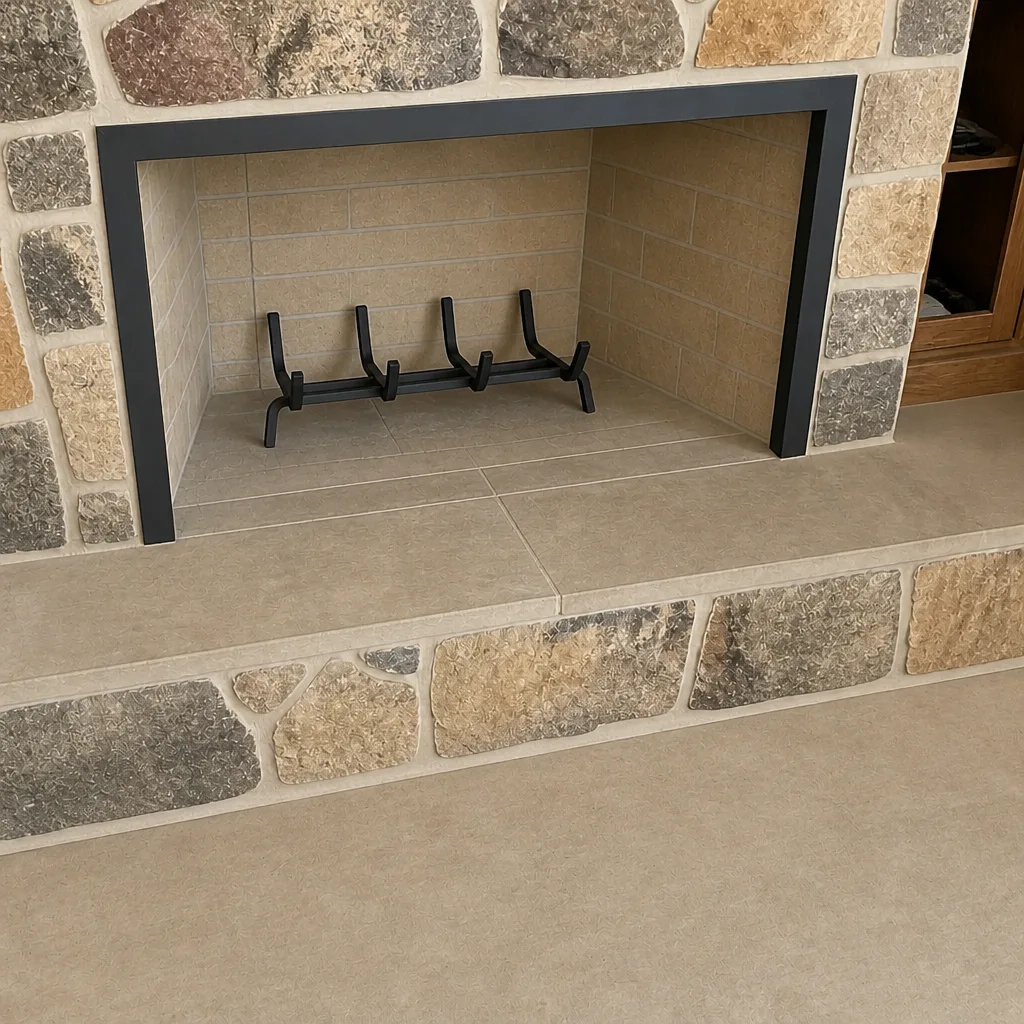 After
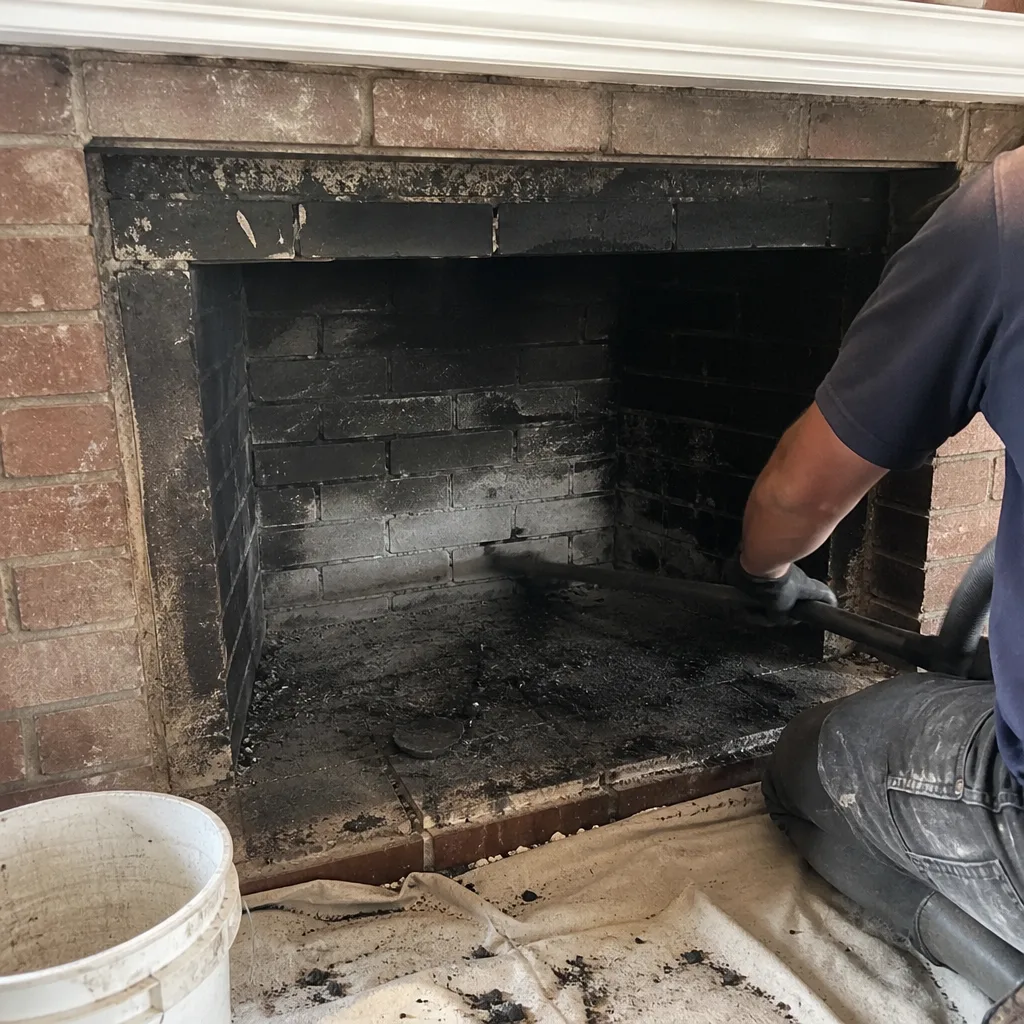 Before
 After
 Before
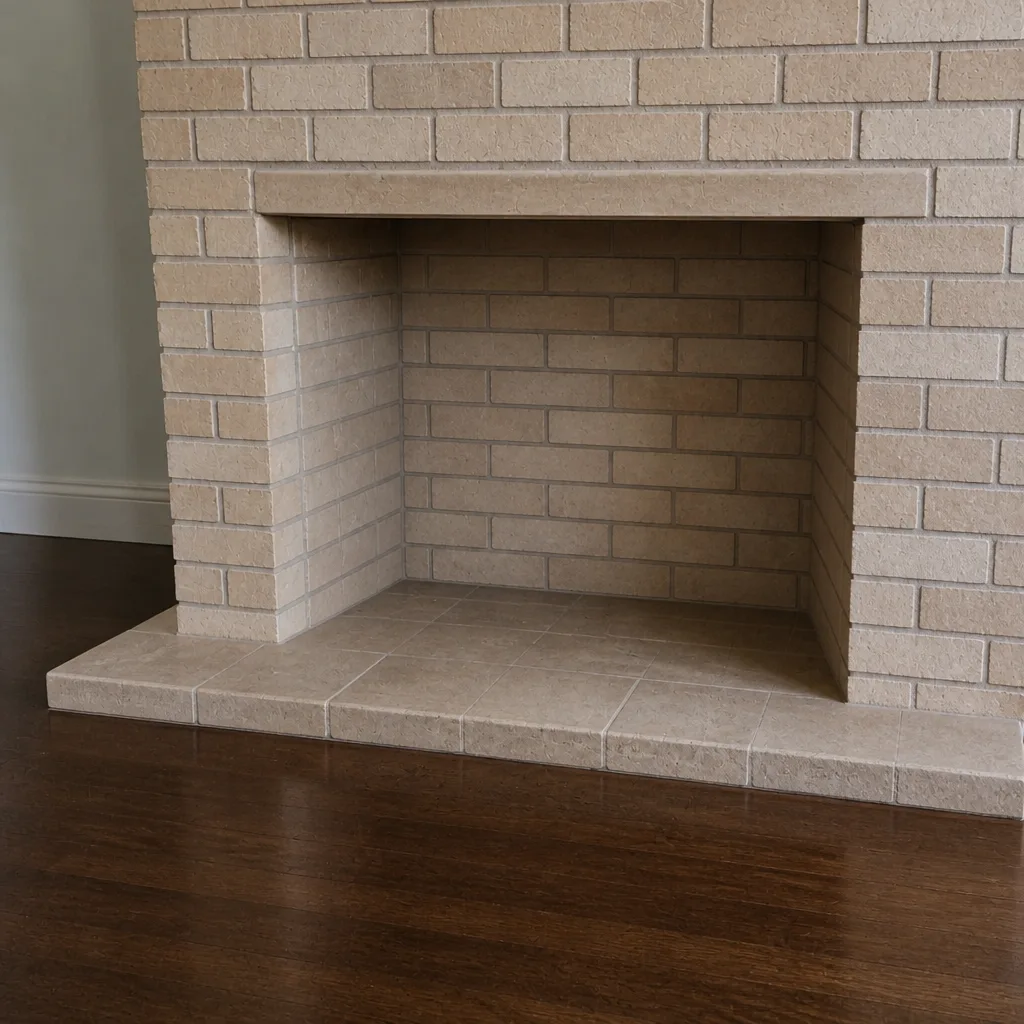 After
When to Call a Professional
Call a professional for any of these: you see soot falling onto the fireplace floor, you smell creosote in the house even when the fireplace isn’t running, the damper is stuck, the crown looks cracked from the ground, you’re selling a home and need documentation, or you’re buying one and can’t verify the chimney’s history. If you’ve never had an inspection and use the fireplace regularly, that’s the baseline call.
We also recommend professional help whenever a repair is being considered; the difference between an inexpensive cleaning and a costly repair rests on solid diagnosis, and that’s what the on-site inspection provides. Herriman Chimney Sweep offers free estimates in Herriman. Call (866) 972-2258. We answer 24/7. Fast dispatch from 7am to 7pm, Sunday through Friday.
The work we do is with professional-grade products from suppliers like Olympia Chimney, Gelco, and Famco, and that matters when a permit is on the line: a code-compliant installation uses materials that meet the code, and the materials under our roof do. Work that involves a permit gets documented, inspected, and filed.
Frequently Asked Questions
No. Routine chimney cleaning in Herriman doesn’t require a permit because it doesn’t change the structure or venting of the chimney. The city doesn’t regulate sweeping. If a repair or installation is also part of the visit, that’s a separate question. Call (866) 972-2258 for an exact quote; estimates are free.
Liner replacement, crown reconstruction, firebox rebuilding, chase or structural repair, and adding a new appliance usually require a permit. The Herriman City building department has the final say on your specific job. We recommend confirming the requirement with them before work starts, and we’ll tell you whether the job needs a permit in our estimate. Call (866) 972-2258 for a free estimate.
An unpermitted liner is a documentation gap that can show up at resale or when you file an insurance claim. The fix is to have the installation reviewed by a professional and either documented retroactively or replaced correctly with a permit and city inspection. It’s an inconvenience, not a disaster – but resolving it before a sale is much easier. Call (866) 972-2258 for an inspection and estimate.
Yes. A proper chimney inspection in Herriman should be scoped to NFPA 211 levels of inspection, with a written or photo report of the findings. That report becomes your record of the system’s condition if you ever sell the home. Call (866) 972-2258 for an inspection that includes the documentation. Call (866) 972-2258. We answer 24/7. Fast dispatch from 7am to 7pm, Sunday through Friday.
Full cap replacement generally does not require a permit, but a new installation with structural modifications or any chase alteration might. When we install a cap or crown from Gelco or Famco, we’ll tell you whether the specific scope touches the permitting line. Call (866) 972-2258 for a free estimate.
The general rule: if the work replaces or rebuilds a structural component, such as a liner, firebox, or crown, it’s likely a permitting event; cleaning and minor maintenance are not. Check with the Herriman City building department for confirmation. Ask us before we start – we’ll tell you what the work involves and whether the city requires a permit. Call (866) 972-2258. We answer 24/7. Fast dispatch from 7am to 7pm, Sunday through Friday.
The Bottom Line
Chimney cleaning in Herriman is maintenance and doesn’t need a permit. Liner replacement, crown reconstruction, firebox rebuilding, and structural chase work do, and that requirement holds whether or not a contractor chose to follow it. Keep the documentation: inspection reports, permit copies, city sign-offs. Ask any contractor up front whether a permit is required and get the answer in writing. When a repair is proposed, ask to see the footage and the reason. We put a full-scope service under one roof so a permit-ready job gets handled as a single scope, with fireplace repair through chimney work all from the same team.
Herriman Chimney Sweep is ready when you need a diagnosis, a permit-ready repair, or a documentation-quality inspection. Call (866) 972-2258. We answer 24/7. Fast dispatch from 7am to 7pm, Sunday through Friday. Free estimates in Herriman; the written estimate sets the final price. More on the full range of services at Herriman Chimney Sweep.
Written by the team at Herriman Chimney Sweep.