
Last updated November 24, 2026
 Sweep & inspection
 Caps & crowns
 Flue relining
 Masonry repair
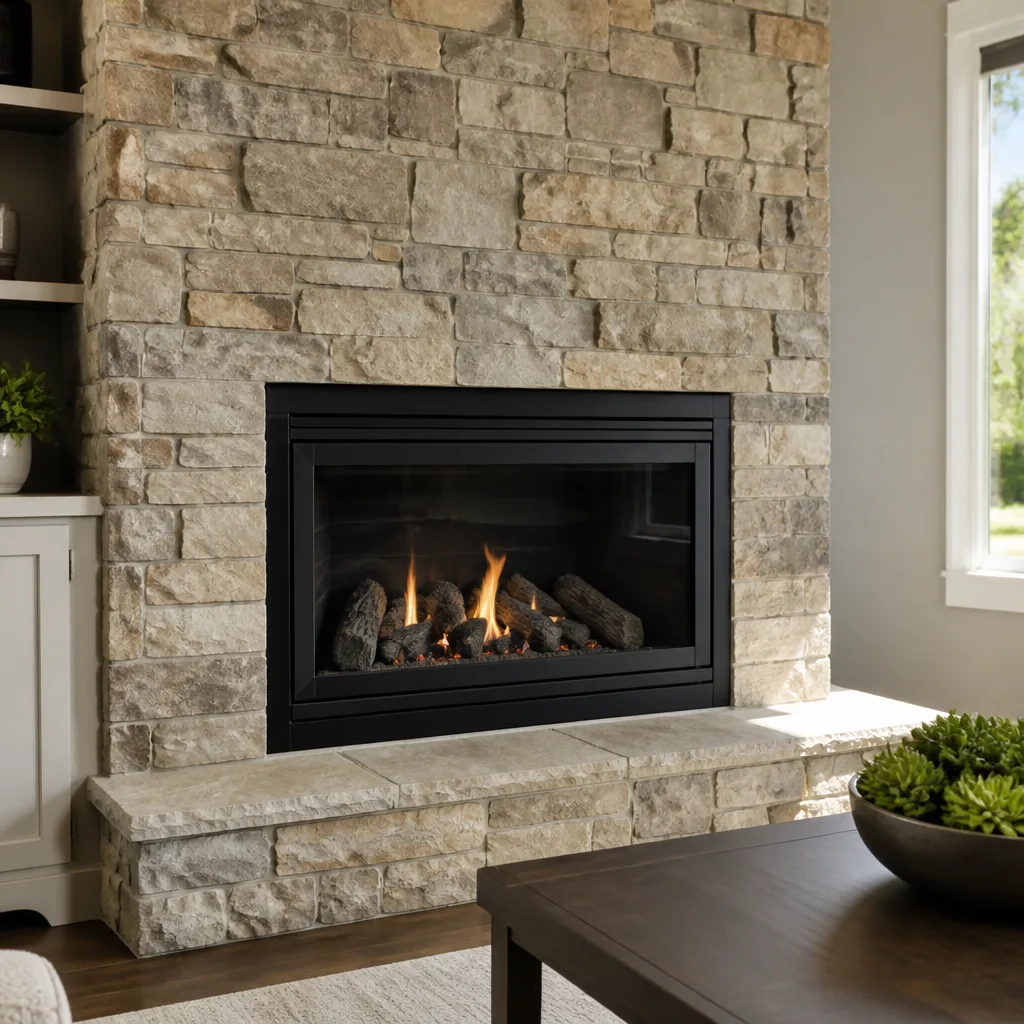 Gas fireplace service
Level 1 sweep and inspection to the NFPA 211 annual standard - flue, crown, cap, and flashing checked and photographed
Chimney sweep logs do not sweep chimneys. They loosen some creosote - which then falls where a brush and vacuum still have to collect it.
Chimney Sweep Maintenance Checklist for Herriman Homeowners
Most chimney maintenance checklists you’ll find online were written to generate leads, not to help you decide whether something actually needs attention. So they flag everything as urgent. Every crack is a crisis, every stain is a warning, and the answer to all of it is a phone call. That’s not useful. A checklist earns its place on your refrigerator only if it tells you what to do with what you find: leave it alone, watch it, fix it soon, or stop and call a professional. This guide does that, component by component. By the end you’ll know what to look at in your own Herriman home, which findings are genuinely normal, which ones have a clock ticking, and which ones mean we should come out with a camera before you spend another winter burning.
Quick Answer
A working chimney maintenance checklist for a Herriman home covers seven components: firebox, damper, smoke chamber, flue liner, crown, cap, and flashing. Check each one at least once a year before burning season, sweep based on how much you actually burn rather than the calendar, and treat any crack you can see through, any loose cap, or any change in how the fireplace drafts as a call-a-professional item. Everything else is either a monitor-it or a fix-when-convenient.
Styles & brands we work with
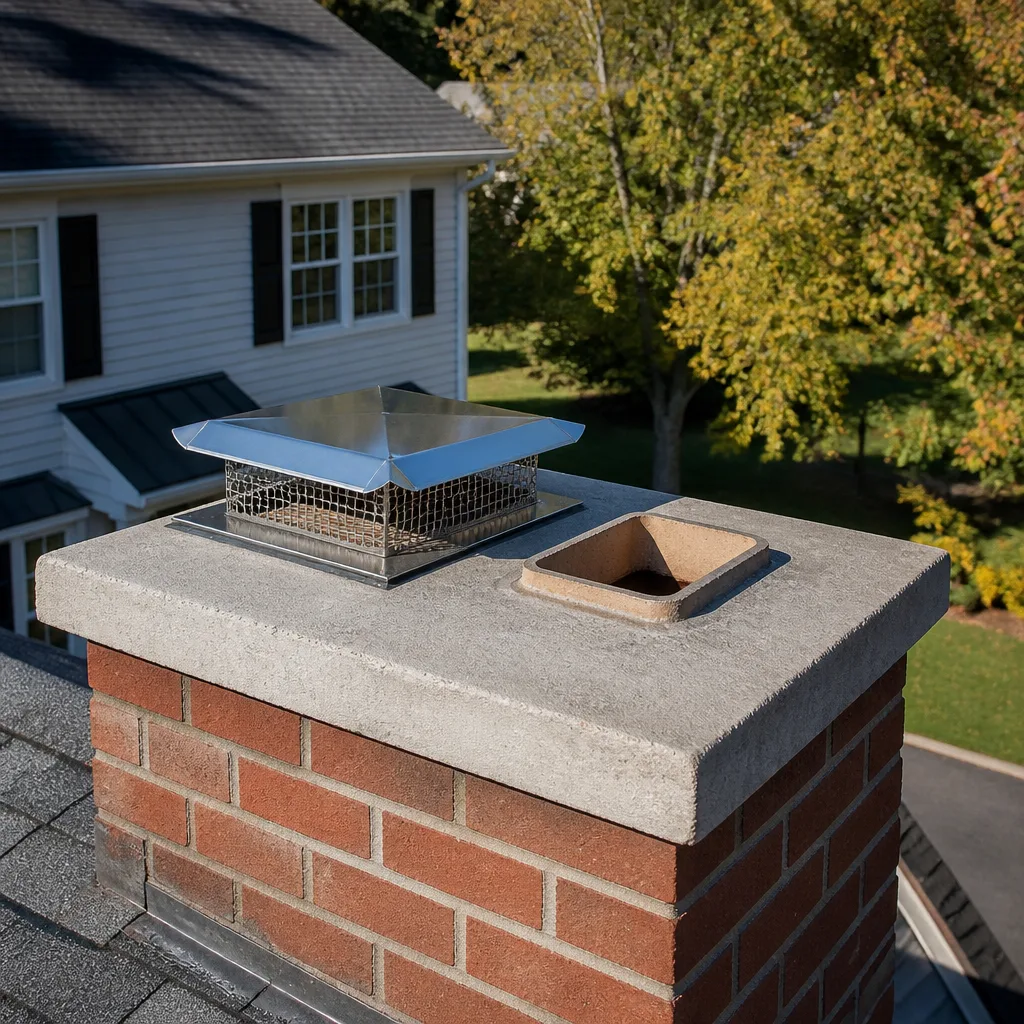
- Sweep & inspection
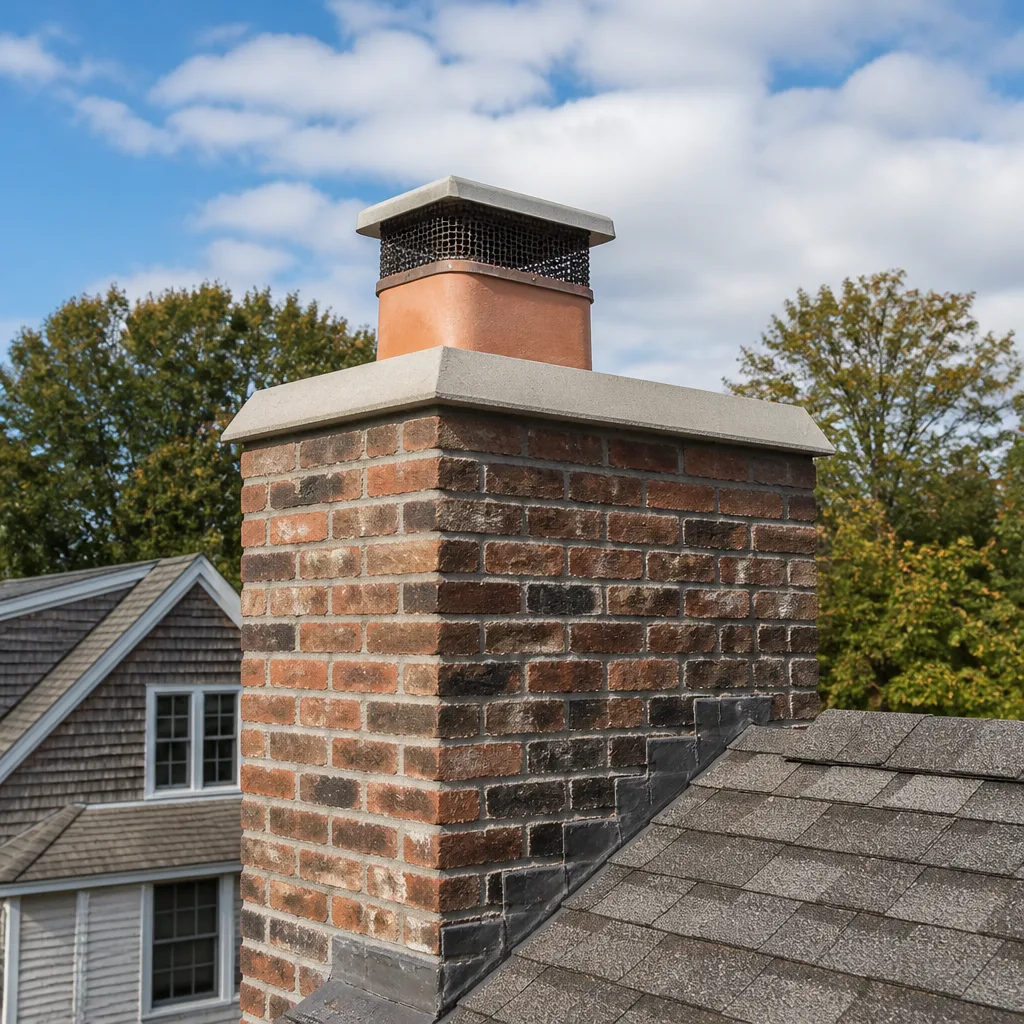
- Caps & crowns
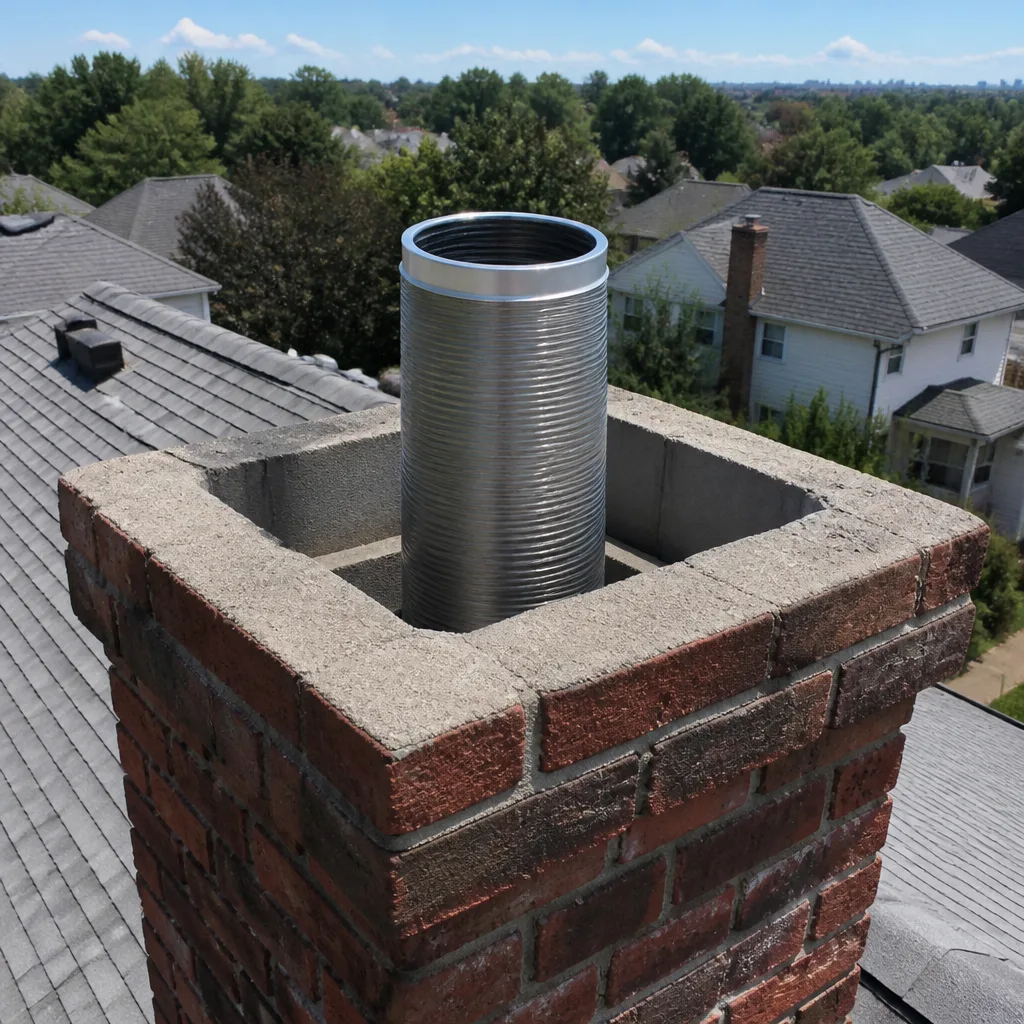
- Flue relining
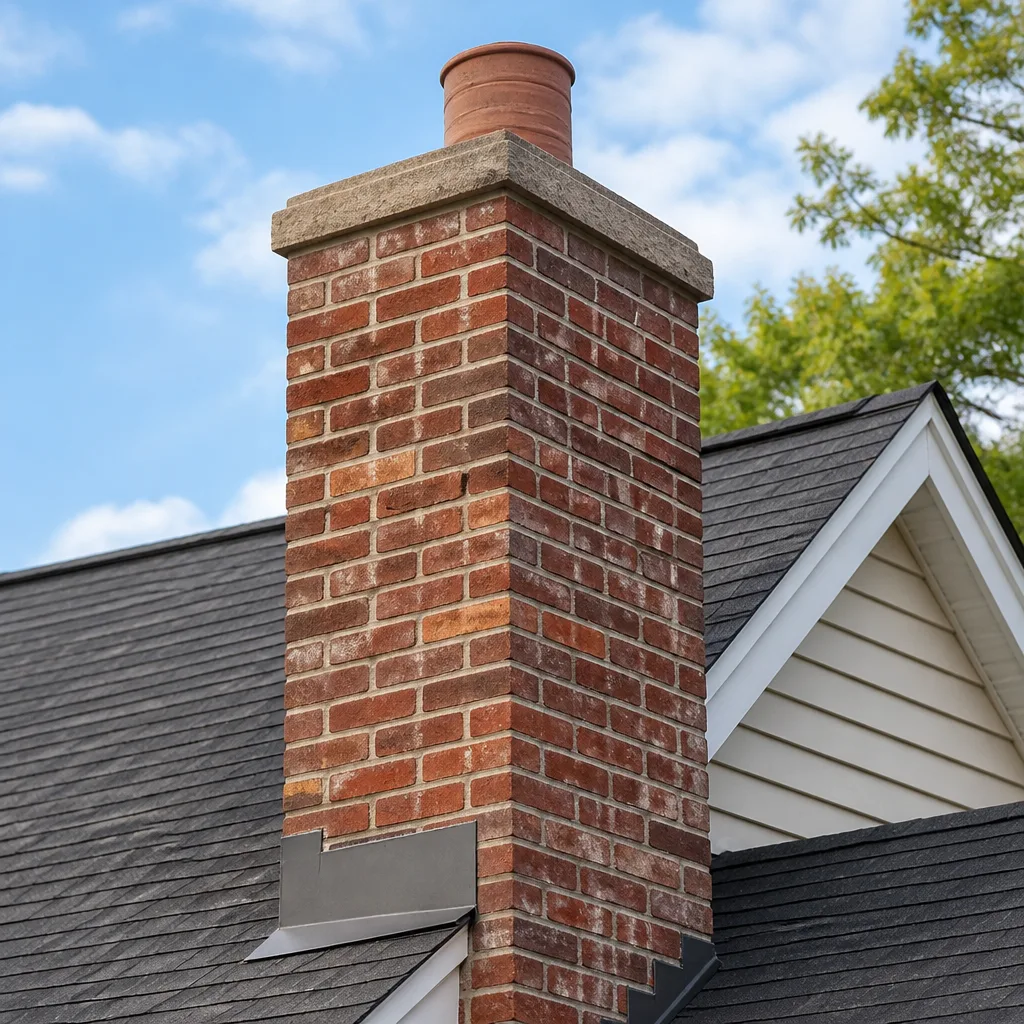
- Masonry repair
- Gas fireplace service
Table of Contents
- How Often Should You Actually Maintain a Chimney in Herriman?
- The Usage-Based Schedule: Burn Hours Beat Calendar Years
- The Firebox and Damper: What to Pass, Monitor, and Act On
- The Smoke Chamber and Flue Liner
- The Crown, Cap, and Flashing: Herriman’s Weather Tests All Three
- What You Can Safely Check Yourself vs. What Needs a Camera
- Reading the Verdicts: Monitor, Fix Now, or Call
- The Fall and Spring Walkthrough: A Step-by-Step
How Often Should You Actually Maintain a Chimney in Herriman?
Once a year is the right starting point for most Herriman homes, and it’s what the trade has taught for generations: an annual inspection, with a sweep whenever creosote or obstruction has built up enough to matter. That said, the annual rule is a floor, not a prescription. A household that burns a fire most nights from October through March accumulates creosote far faster than one that lights three fires over the holidays. The chimney doesn’t know what year it is. It knows how much smoke has passed through it.
Here’s the practical version for Herriman. Every home with a wood-burning fireplace or wood stove should get a documented inspection once a year, ideally in late summer or early fall, before the first burn. The sweep itself happens when the inspection says it’s needed. We inspect before we recommend, so nobody pays for a brush-out that wasn’t necessary and nobody goes into winter with a flue that needed one.
- Annual inspection: every chimney, every year, regardless of usage.
- Sweep frequency: driven by burn volume and what burns – see the schedule below.
- Post-event check: any chimney that’s had a chimney fire, a major storm impact, or visible interior water damage should be inspected before its next fire.
- New-to-you home: a home you’ve just purchased in Herriman should get a full inspection before the first burn, because you have no history with that flue.
A chimney works harder than you think. It’s a load-bearing structure exposed on all four sides to weather, and it manages heat, moisture, and corrosive exhaust every time you light a fire. Annual maintenance isn’t about cosmetics. It’s the difference between a system you understand and one you’re guessing about.
The Usage-Based Schedule: Burn Hours Beat Calendar Years
A checklist tied only to the calendar is a checklist that lies to you. If you’re the household that burns daily through the winter, your flue is under a heavier load than a neighbor’s, and your sweep schedule should say so. Here’s how we frame the cadence for Herriman homes.
- Occasional use (a fire a few times a month, mostly ambience): an annual inspection, with sweeping usually every two to three inspections unless the technician finds something during the check.
- Regular use (a few fires a week through the season): sweep roughly once a year, inspection paired with it.
- Heavy use (a fire most nights in season, or a stove running near-continuously): sweep annually at minimum, and be ready for a mid-season brush-out if the technician’s follow-up check calls for it.
- Gas insert or gas appliance: the flue is still inspected annually, but the maintenance emphasis shifts to the appliance, the venting, and the cap – you’re not managing creosote build-up the same way you are with wood.
One local wrinkle: Herriman sits in a climate with real winter and real burn hours. Homes here can run a fireplace more of the year than a milder place would, and the swing between a hot July and a cold January does its own work on the masonry above the roofline. That’s why the crown, cap, and flashing get their own dedicated checks below. Your burn schedule decides the flue side. The weather decides the structure side.
The Firebox and Damper: What to Pass, Monitor, and Act On
Start every check at the firebox. It’s the one component you can see clearly without any tools, and it tells you a surprising amount about the rest of the system. Here’s how to read it.
- Firebox brick and mortar joints: hairline cracks in the firebrick surface are common and often cosmetic. Monitor. Any crack you can slide a coin into, any missing chunk of brick, or any joint that’s crumbled because it was repointed with the wrong material is a fix now – fire can travel through gaps in the firebox into the surrounding structure.
- Firebox metal panels or grate: light surface rust on the grate is normal. Warped panels, or a firebox liner that’s pulled away or cracked, is fix now before your next fire.
- Damper: it should open and close smoothly and sit flush against its frame when closed. Monitor if it’s stiff. Fix now if it’s stuck open, won’t seal, or is warped – a damper that won’t seal means heat and smoke are leaking when the fire’s out, and it’s a hint that combustion gases are not following the path they should.
The damper is also where you can tell a lot about drafting. Open the damper fully with the fire out and you should feel cool, clean air moving steadily up the flue. If you feel nothing, or you smell a damp, smoky odor even with the damper open, that’s a call a professional finding. It could be a blockage, a flue that’s lost its geometry, or something else a camera needs to see. For fireplace repair in Herriman, this is exactly the kind of thing we diagnose with a camera before we recommend a single fix.
The Smoke Chamber and Flue Liner
The smoke chamber is the sloped area above the damper where smoke gathers before it enters the flue. The flue liner is the vertical channel itself. You can see the smoke chamber with a bright light and a mirror, but the flue liner, by and large, you can’t see properly without a camera on a rod. This is where the checklist gets honest about what self-inspection can and can’t do.
- Smoke chamber: look for crumbling parging, jagged edges, and offset “shelves” that smoke has to fight its way over. Rough, pitted surfaces are a monitor item – they catch creosote and give it somewhere to build. Any deep cavity, loose chunk, or gap at the smoke-shelf ledge is a fix now item, and in Herriman we often repair this with HeatShield ceramic resurfacing rather than tearing out masonry.
- Flue liner: the liner’s job is to keep smoke, heat, and combustion gases inside a defined channel. Spalling, cracked joints, missing mortar, or a liner quoted as “unlined” in an older home are all call a professional findings. You cannot safely judge the interior of a flue from the firebox with a flashlight – you’ll see the first three or four feet and guess about the rest.
- Creosote: the sweep’s real subject. Glossy, tar-like, or heavily layered creosote is a genuine fire risk and needs to come out before the next fire. Soft, powdery creosote is routine and gets swept as part of normal maintenance.
Regular Herriman chimney sweep visits exist specifically to catch the flue side before a buildup becomes a hazard. When a liner does need work, we install DuraFlex flexible liner systems, and we can pair that with olympia Chimney supply components. When the masonry itself is rough but structurally sound, HeatShield lets us resurface rather than rebuild. Getting the diagnosis right matters more than which fix gets sold.
The Crown, Cap, and Flashing: Herriman’s Weather Tests All Three
The top of the chimney is where Herriman’s climate does its loudest work. This is also the part most homeowners never look at, because seeing it means getting on a roof. We’ll say this plainly: don’t. A steep-roof inspection is not a homeowner job. What you can do is look from the ground with binoculars, and know what you’re looking for.
- The crown: the concrete slab on top of the chimney that sheds water away from the masonry. Herriman’s freeze-thaw cycles are tough on crowns – water finds a hairline crack, freezes overnight, expands, and widens it, then thaws and repeats. A crown with small hairline cracks is a monitor. A crown with visible chunks missing, splits you can see daylight through, or one that’s pulling away from the flue is a fix now, and a neglected crown is one of the most common causes of water finding its way into masonry you’d rather keep dry.
- The cap: the cover over the flue opening. A cap that’s rusted through, loose, or missing its mesh screen is a fix now – it’s your first line of defense against rain, birds, and debris. Utah’s intense UV exposure ages caps faster than you’d guess; the sun plus the freeze-thaw cycle speeds up corrosion on the wrong materials. When we replace a cap, we install Gelco and Famco caps, chosen for fit and longevity.
- Flashing: the metal seal where the chimney meets the roof. Lifted edges, gaps, or rusted-through seams are a fix now, not a monitor – a flashing leak goes straight into the roof deck and framing. You may see the evidence indoors as a ceiling stain, which means it’s well past time for a professional look.
The mortar joints on the chimney above the roofline deserve their own mention. Temperature swings stress them every year, and repointing with the correct mortar mix is a genuinely skilled task – this is chimney repair in Herriman, not a masonry touch-up job. When the joints are failing, water gets in behind the brick, and freeze-thaw does the rest from the inside out.
What You Can Safely Check Yourself vs. What Needs a Camera
Half the value of a checklist is being honest about which half of it you can do yourself. Here’s the split we use with Herriman homeowners.
Safe to check yourself, fire out, from floor level:
- Open the damper fully and confirm smooth movement and a clean seal when closed.
- Look into the firebox with a flashlight and note any cracks, crumbling joints, or gaps in the brick.
- Check that the damper is actually open before lighting – a surprising number of smoky-fireplace complaints are a closed or partly closed damper.
- Look for soot streaks or dark staining at the smoke chamber opening above the damper.
- Walk the exterior base of the chimney at ground level and check for staining, crumbling mortar, or a leaning structure.
- With binoculars from the ground, look at the cap and crown for visible missing pieces, a loose cap, or a crown pulling away.
- Check for indoor water evidence – ceiling stains near the chimney, damp smells after rain – and treat it as a professional call.
Not safe or not reliable to check yourself:
- Anything on the roof, including the crown, cap, and flashing. If you’re not set up and trained for roof work, this is a call-a-professional item every time.
- The inside of the flue liner beyond the first few feet – a flashlight and a mirror give you a false sense of completeness. A camera on a rod gives you the whole run.
- The condition of the mortar joints above the roofline – you can’t see them from the ground, and you shouldn’t be up there to find out.
- Anything involving the gas side of a gas appliance or insert – leave that to the professional.
We inspect before we recommend, which means the camera inspection isn’t a sales tool – it’s the thing that keeps us from guessing. You should be able to see what we found, in photos, and decide together whether the fix is now or later.
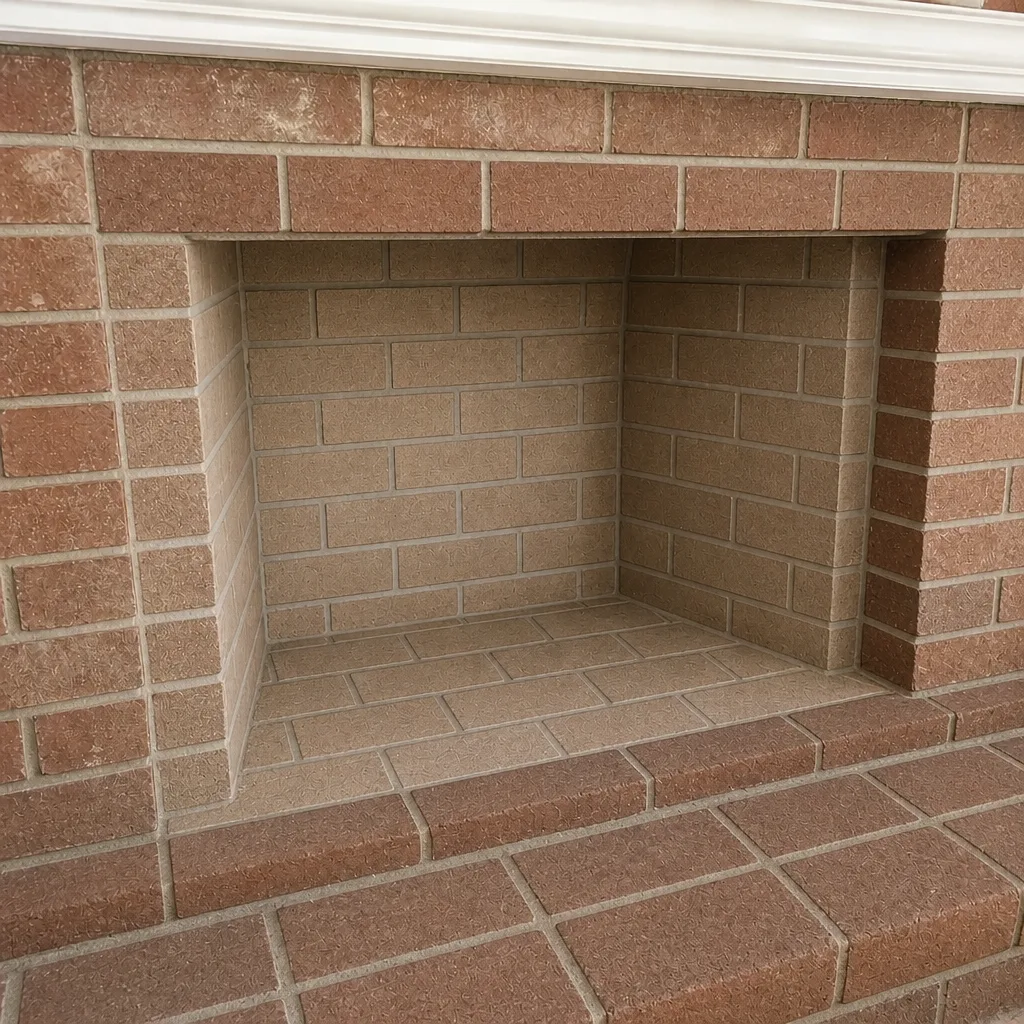
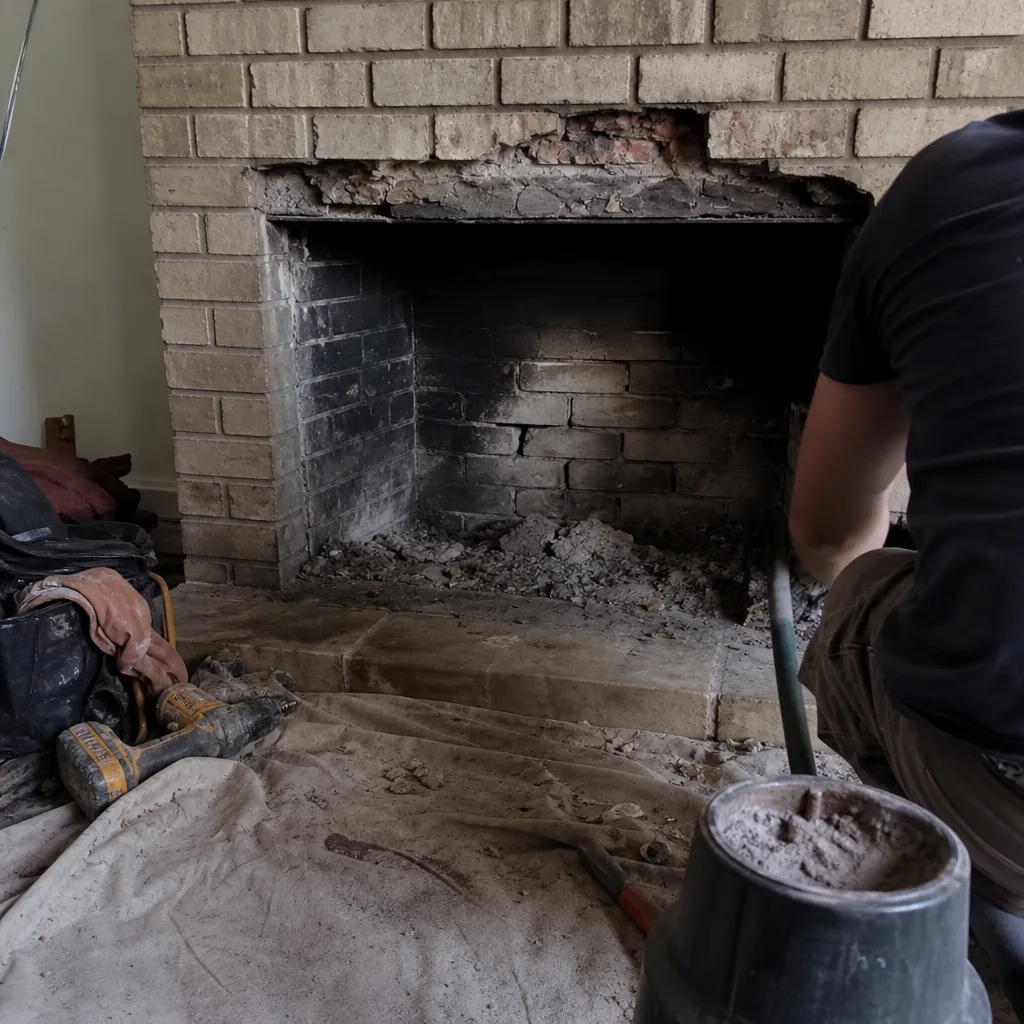
See the difference
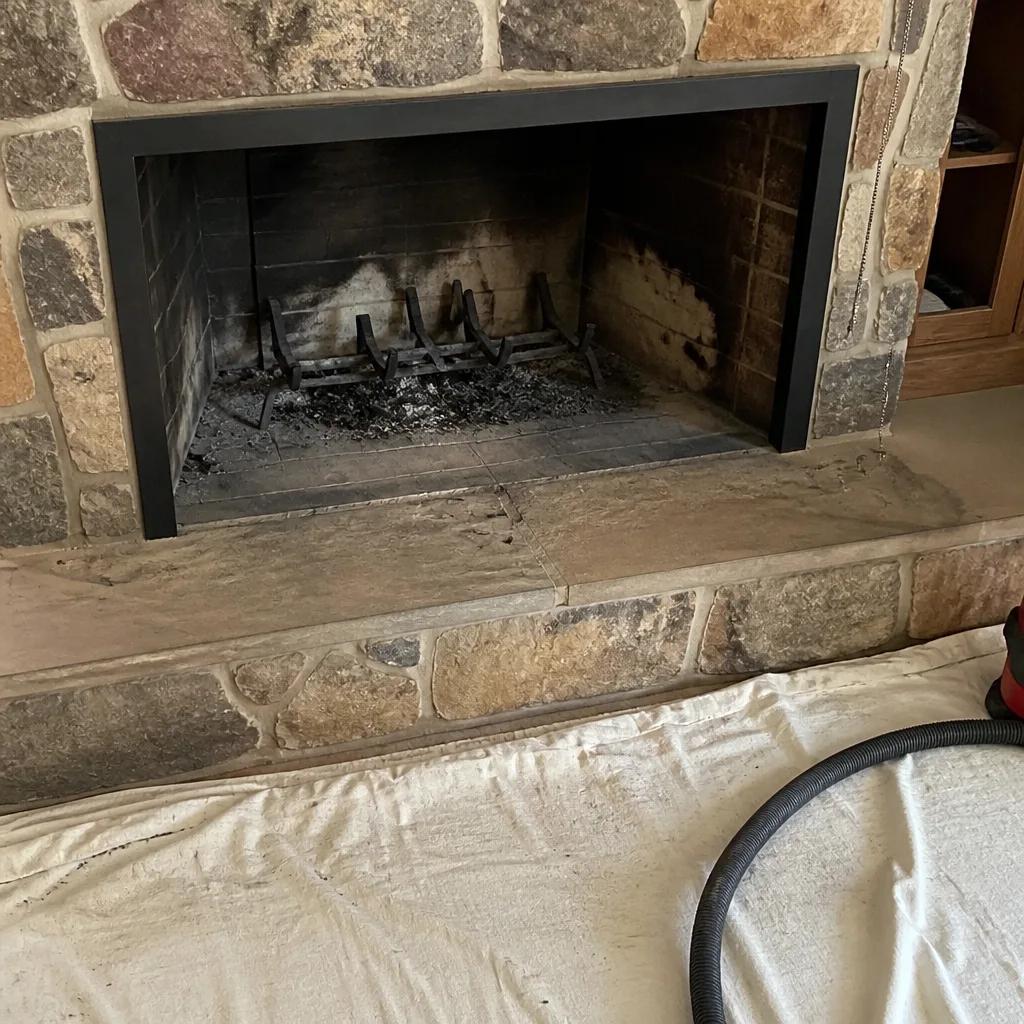 Before
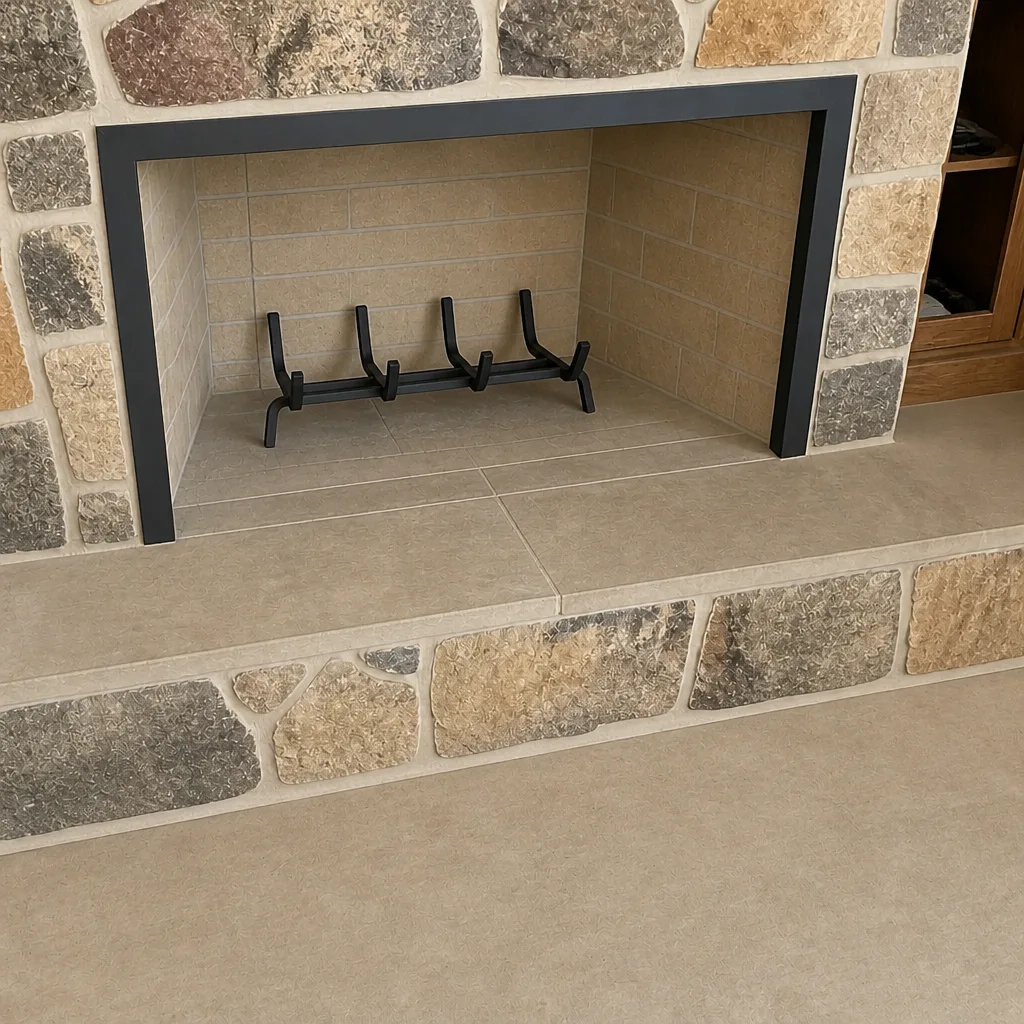 After
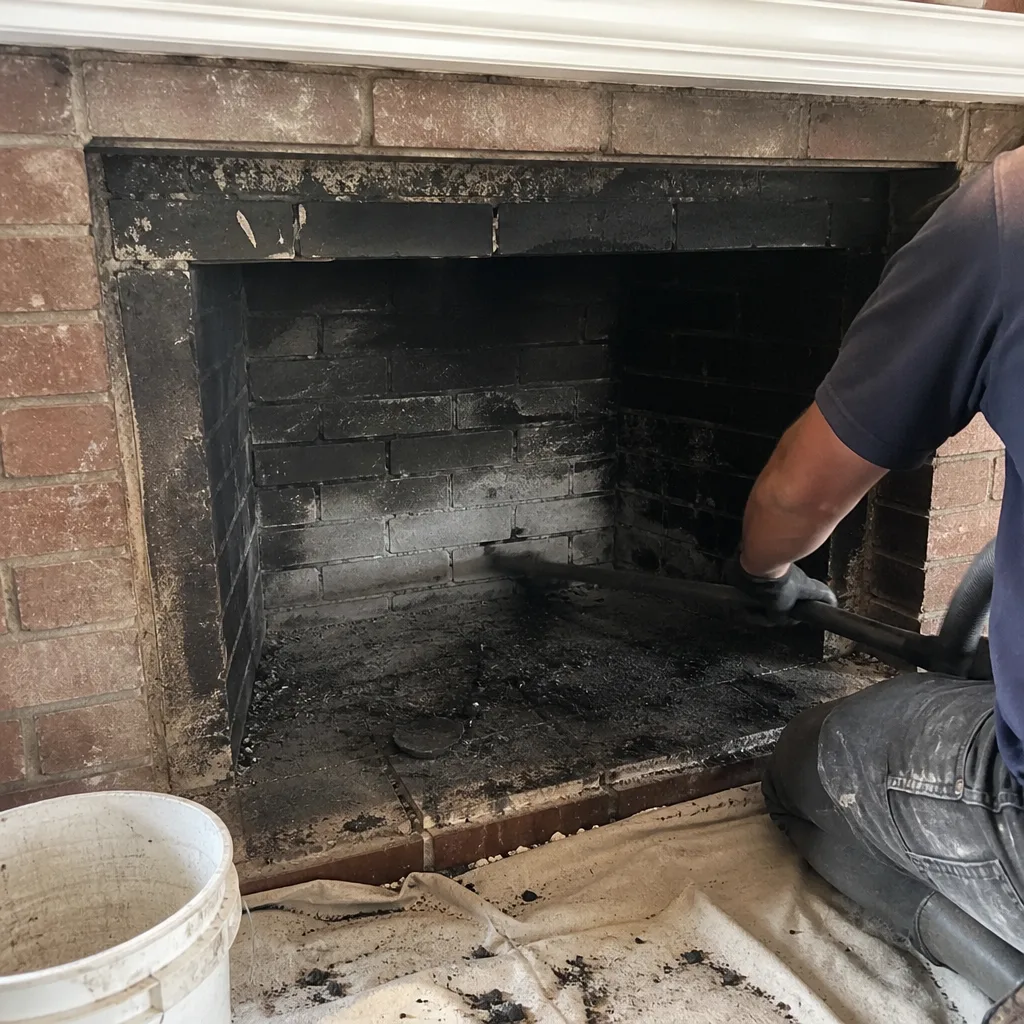 Before
 After
 Before
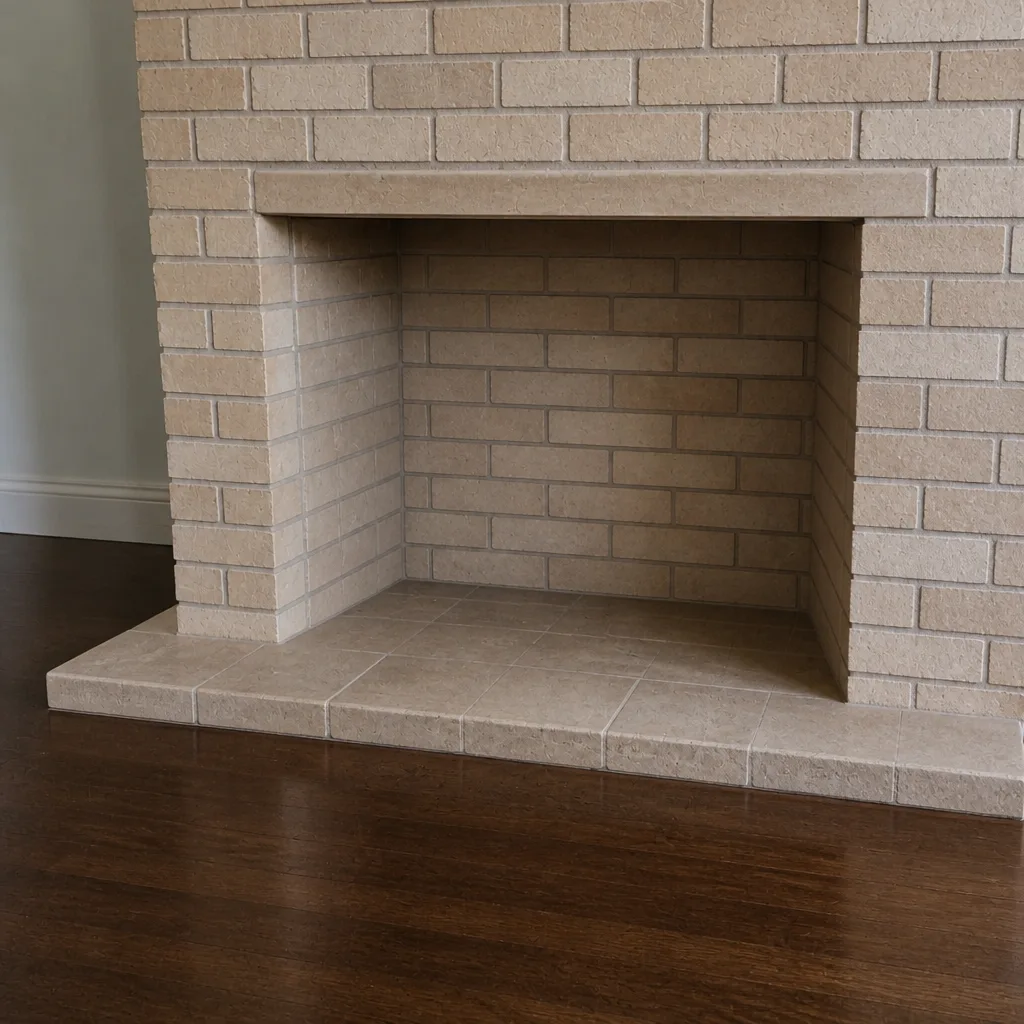 After
Reading the Verdicts: Monitor, Fix Now, or Call
The whole point of the checklist is the verdict. Here’s the plain-language decoder we use.
| Finding | Verdict | What it means |
|---|---|---|
| Hairline firebox cracks | Monitor | Check again next season |
| Crack you can slide a coin into | Fix now | Book repair before next fire |
| Stiff damper | Monitor | Probably lubrication, watch for sticking |
| Damper won’t seal | Fix now | Heat loss and smoke path issue |
| Powdery creosote | Routine sweep | Normal maintenance |
| Glossy or tar-like creosote | Fix now | Genuine fire risk, sweep before next burn |
| Deep smoke chamber cavity | Fix now | Heat can reach surrounding material |
| Hairline crown cracks | Monitor | Seal before freeze-thaw expands them |
| Crown chunk missing or pulling away | Fix now | Water path into masonry |
| Loose, rusted, or missing cap | Fix now | Rain, birds, debris enter flue |
| Lifted or rusted flashing | Fix now | Roof-deck leak path |
| Ceiling stain near chimney | Call a professional | Active leak, needs camera diagnosis |
| No draft with damper open | Call a professional | Possible blockage or flue problem |
You’ll notice something about that table: most findings are not emergencies, and a few are. The honest answer to “do I need work done?” is often “not this month.” We’ll tell you what we found and what it actually means, and we’ll say plainly when work can safely wait until spring.
The Fall and Spring Walkthrough: A Step-by-Step
Two walkthroughs a year keep the checklist current: one in the fall before you start burning, one in the spring after you stop. Here’s the sequence.
Fall walkthrough (before first burn):
- 1
Book the annual inspection and sweep if your usage schedule calls for one – late summer to early fall keeps you ahead of the first cold snap in Herriman.
- 2
Do the firebox and damper checks from the firebox section above, fire out, damper worked open and closed.
- 3
Open the damper and confirm draft before you build the first fire.
- 4
Walk the exterior at ground level and check for staining, damaged mortar, or a leaning chimney.
- 5
Use binoculars to check the cap, crown, and flashing from the ground. Anything visible from the ground that looks wrong is a professional call.
- 6
Confirm you have a working smoke detector and carbon monoxide detector on the fireplace floor, not the ceiling – fireplaces produce smoke, and the detector placement matters.
Spring walkthrough (after last burn):
- Sweep if the burn season was heavy – this is the simplest creosote-control move you can make.
- Look for water evidence from the winter: ceiling stains, damp smells, rusted damper parts.
- Inspect the firebox for new cracking that appeared during the heating season.
- Check from the ground for any new crown damage from winter freeze-thaw – spring is when the evidence shows.
- Schedule any repair found now, so it’s done before fall, when the schedule fills up.
A checklist is only worth keeping if it’s honest. The winter checklist catches the burn issues, the spring checklist catches the freeze-thaw damage. Both are short. Do the safe parts yourself, call for the rest, and you’ll spend far less time worrying about a system you can’t see.
Common Mistakes to Avoid
- Treating the annual sweep as the whole job. A sweep cleans the flue; it doesn’t check the crown, cap, flashing, or firebox. An inspection is the part that protects the structure – and a sweep-only visit tells you nothing about the top half of the chimney.
- Burning green or unseasoned wood to stretch the woodpile. Wet wood makes more smoke, more creosote, and more frequent sweeping. Seasoned wood is the single simplest creosote-control measure in Herriman, and it’s free advice.
- Skipping the fall inspection because the fires worked fine last year. Things that work fine until they don’t tend to be chimneys. The check is cheap; the repair after a missed finding isn’t.
- Ignoring a hairline crown crack “because it’s just concrete.” That crack is a freeze-thaw highway into the top of your masonry, and Herriman’s winters are built to widen it every year.
- Assuming a gas insert means no maintenance. The appliance and venting still need checking, and the cap is still exposed to UV and weather. Gas doesn’t mean maintenance-free.
- Getting on the roof to “just take a look.” The single most avoidable mistake on this list. Ground-level binoculars and a professional visit are the safe options – roof work is not a homeowner checklist item.
- Skipping the smoke detector and CO detector test. Test them at the same time as the fall walkthrough. If they’re old, replace them on the same day.
When to Call a Professional
Call us when any of the following is true: you can see through a crack in the firebox; the damper won’t seal; you smell smoke or a damp, musty odor with the fire out and damper open; there’s a ceiling stain near the chimney; the cap is loose or missing pieces; the crown is visibly damaged from the ground; flashing has lifted; you’ve had a chimney fire even if it seemed to put itself out; or the flue is unlined and you’ve never had it assessed. Also call if you’ve moved into a Herriman home and don’t know the flue’s history – a first inspection gives you a baseline for every checklist after it. Herriman Chimney Sweep offers free estimates in Herriman – call (866) 972-2258. We answer 24/7. Fast dispatch from 7am to 7pm, Sunday through Friday.
Frequently Asked Questions
Usually once a year for regular fireplace use, and more often if you burn most nights through the winter. The annual inspection is the fixed point; the sweep itself follows your actual burn volume. Call (866) 972-2258 for an exact assessment – estimates are free.
We set the price per job with a written estimate, so the number depends on what your chimney needs. Call (866) 972-2258 for an exact quote – estimates are free, and we’ll tell you what we found before any work begins.
Often nothing at all. Sometimes you skip a year and miss a small crown crack that freeze-thaw widened into a water path, or a creosote layer that built up more than you expected. The point of the annual check is to catch the small findings before they become structural ones. Call (866) 972-2258 to book a check.
Not always – and anyone who tells you “yes” before looking inside with a camera is guessing. Liners are replaced when they’re cracked, spalled, unlined in an older home, or no longer suited to the appliance. The camera inspection decides, and we’ll show you what we saw. Call (866) 972-2258 to schedule one.
You can safely do the floor-level checks: firebox, damper, exterior base, and ground-level binocular checks of the cap and crown. Anything involving the roof, the full flue interior, or gas appliances should be done by a professional. Call (866) 972-2258 for the parts the checklist can’t cover safely.
Place a CO detector near the sleeping area and one on the same level as the fireplace. Herriman homes with a wood-burning appliance should test both detectors at the same time as the fall walkthrough, and replace them on schedule. If your detector ever alarms, treat it as a professional call, not a checklist item – call (866) 972-2258.
The Bottom Line
A maintenance checklist earns its keep when it tells you what to do, not just what to look at. The floor-level checks are yours – firebox, damper, exterior base, ground-level view of the cap and crown. The roof and the flue interior belong to a professional with a camera, and that’s true whether the house is new to you or you’ve lived in it for years. Match your sweep schedule to your burn hours, not the calendar. When you find something, use the verdicts: monitor it, fix it now, or call us. And if you’re not sure, call – we’ll tell you what we found and what it actually means, and we’ll say when work can safely wait. Read the other guides on our site when you’re ready to plan the actual work, from chimney repair to fireplace repair.
Herriman Chimney Sweep covers the full scope – inspection first, then sweep, cap and crown, fireplace repair, and chimney repair – so one company takes you from diagnosis to finished fix. We work with DuraFlex, HeatShield, Gelco, Olympia Chimney, Famco, and Copperfield, the same supply lines professional chimney specialists use. Our technicians have up to 12 years of experience.
Call (866) 972-2258 for a free estimate. We answer 24/7. Fast dispatch from 7am to 7pm, Sunday through Friday.
Written by the team at Herriman Chimney Sweep.