
Last updated November 24, 2026
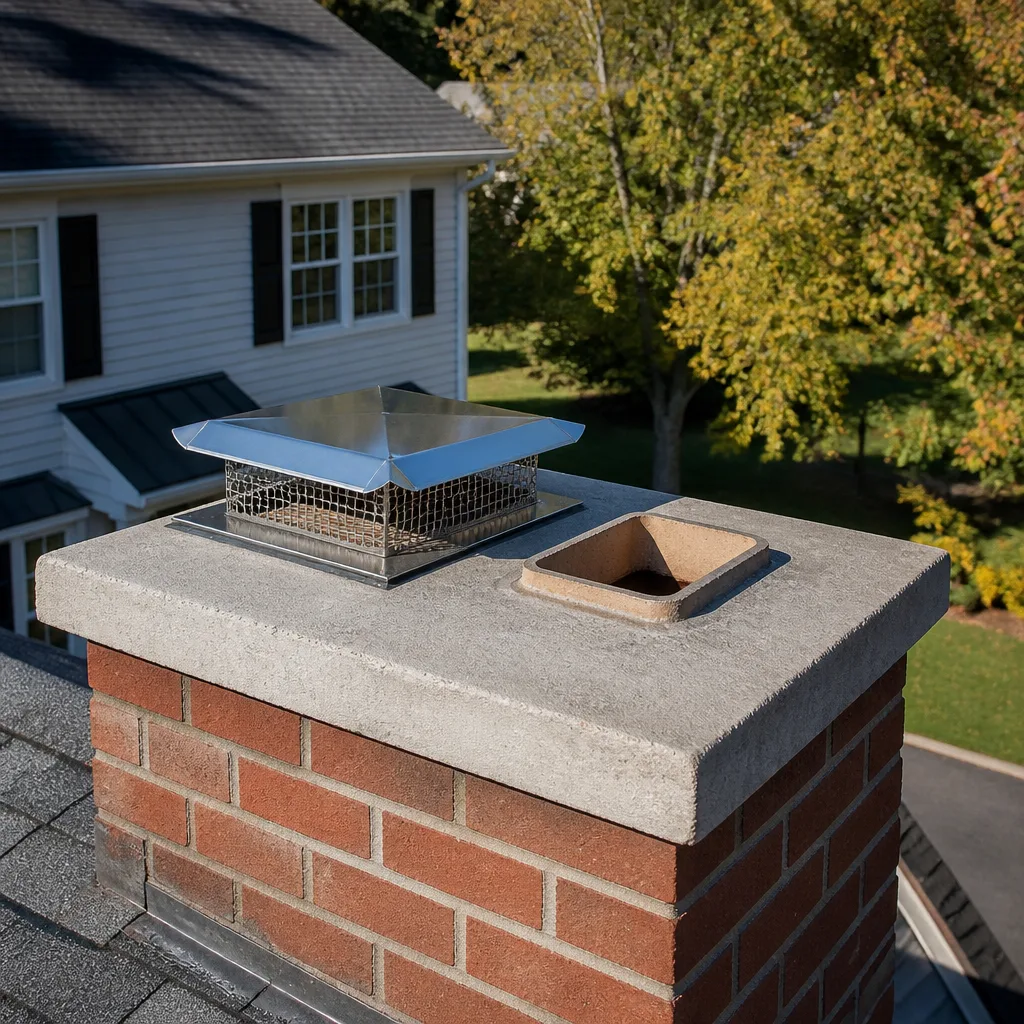 Sweep & inspection
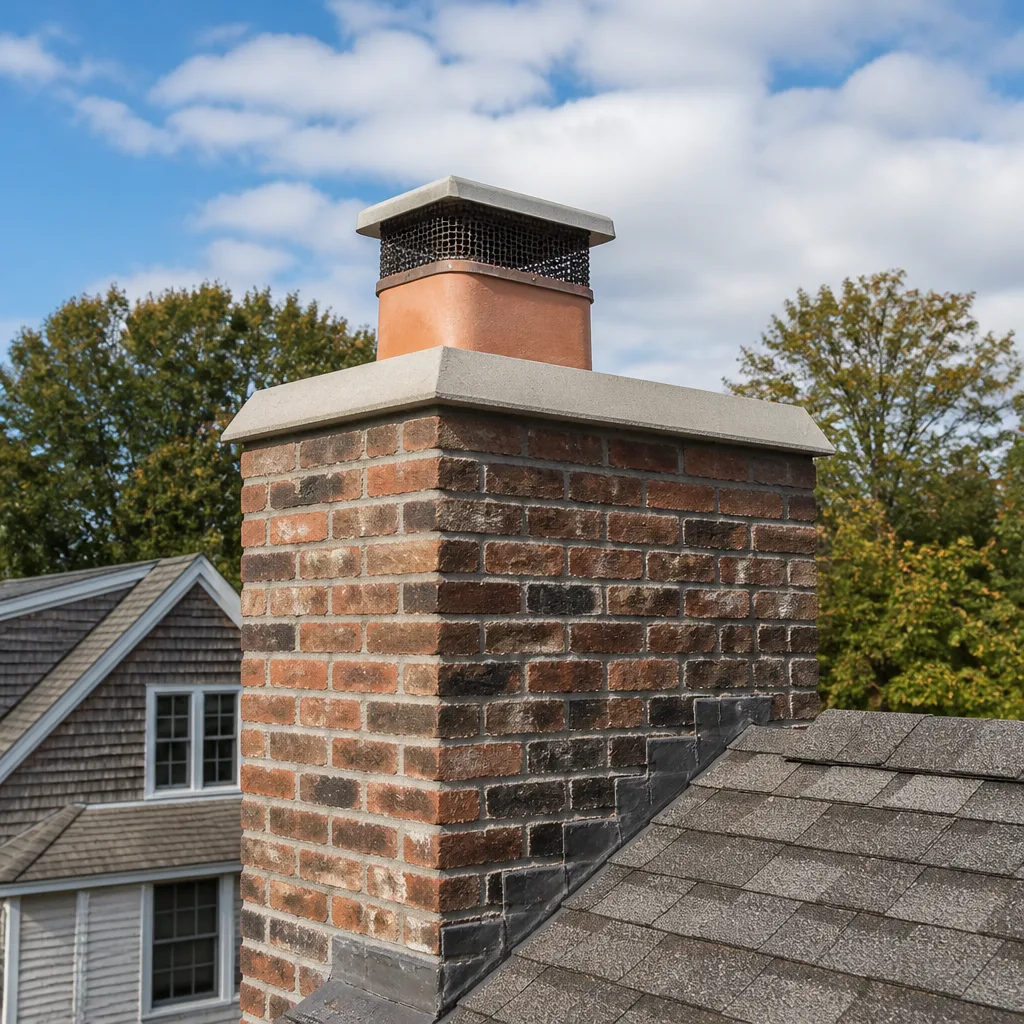 Caps & crowns
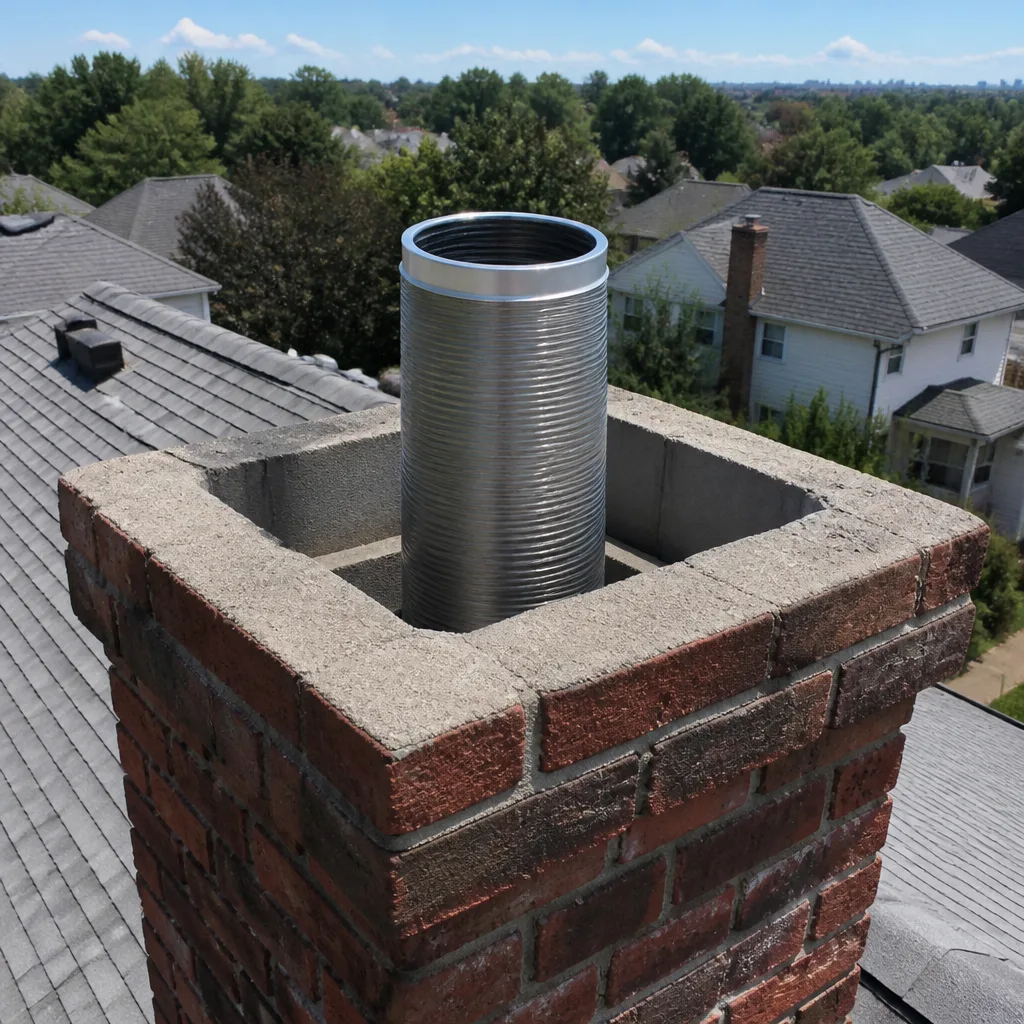 Flue relining
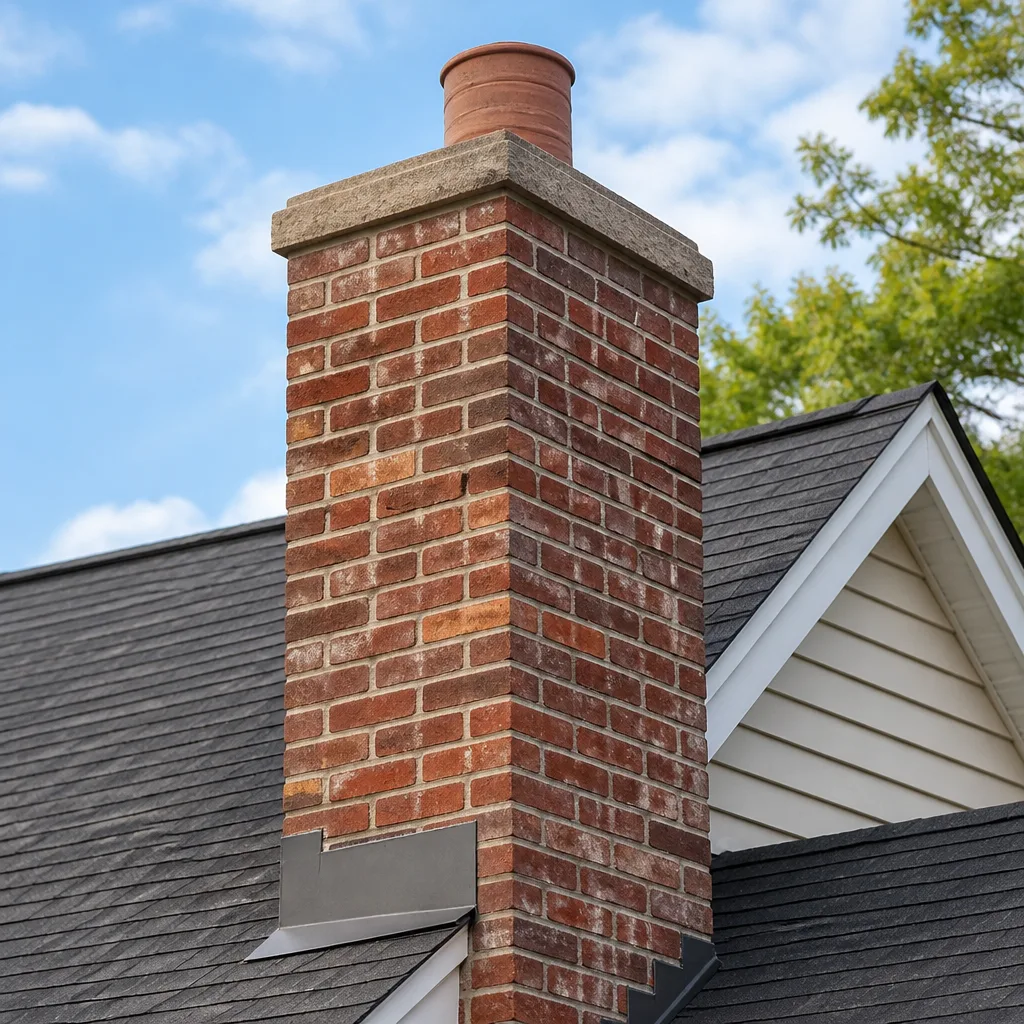 Masonry repair
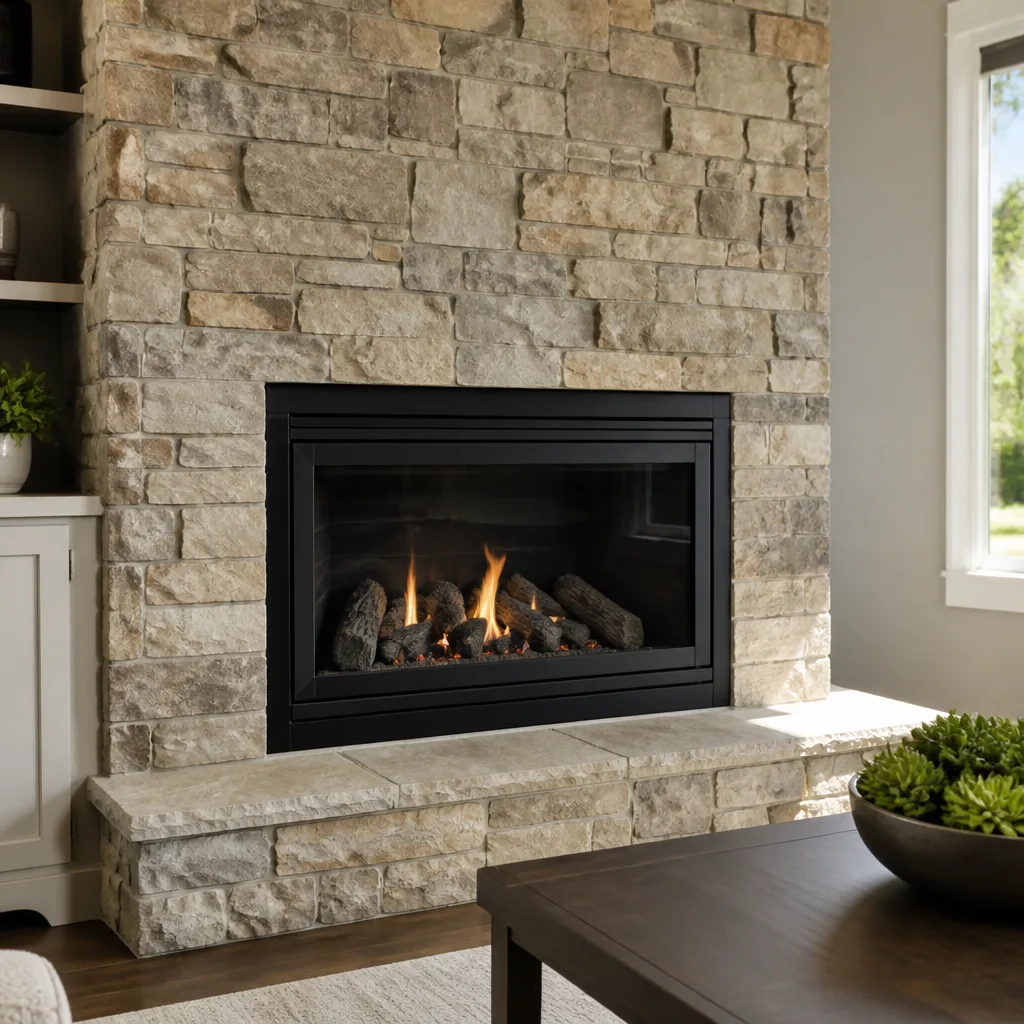 Gas fireplace service
Level 1 sweep and inspection to the NFPA 211 annual standard - flue, crown, cap, and flashing checked and photographed
Chimney sweep logs do not sweep chimneys. They loosen some creosote - which then falls where a brush and vacuum still have to collect it.
How to Hire a Chimney Cleaning Contractor in Herriman: A Step-by-Step Guide
Most people assume the hard part of chimney care is remembering to book it. The hard part is actually choosing who shows up. In Utah, there is no state licensing requirement for chimney sweeps, which means anyone with a brush and a van can print a business card and call themselves a specialist. The CSIA has estimated that a significant share of chimney fires involve systems that had supposedly been cleaned by someone without proper training. That’s not a knock on the trade. It’s a fact about a market with almost no entry barrier, and in Herriman, the responsibility for telling a trained specialist from an opportunist falls entirely on you. This guide gives you the questions that separate them, what a good answer sounds like, and how to read what you get afterward.
Quick Answer
Hiring a chimney cleaning contractor in Herriman means verifying credentials before you book (CSIA and NFI certification are the two that matter), asking for a written scope of work before anyone arrives, and confirming the company can both diagnose and repair rather than only sweep. Expect a real inspection with photo evidence, a written report afterward, and recommendations you can verify with your own eyes. If a quote comes with no written scope, an unusually low flat rate, or pressure to decide on the spot, walk away.
Styles & brands we work with
- Sweep & inspection
- Caps & crowns
- Flue relining
- Masonry repair
- Gas fireplace service
Table of Contents
- Why Credentials Matter More in Herriman Than You’d Think
- CSIA and NFI: What Each Credential Actually Covers
- The Questions to Ask Before You Book
- Red Flags in a Chimney Quote
- Full-Service Chimney Company vs. Cleaning-Only Service
- How to Read a Post-Service Report
- What Chimney Cleaning Costs in Herriman
- Timing Your Sweep Around Herriman’s Burning Season
Why Credentials Matter More in Herriman Than You’d Think
Chimney sweeping is one of the few home services in Utah that doesn’t require a state license. There’s no test, no background check, no minimum training hours mandated before someone can advertise chimney cleaning in Herriman. That’s a real gap, and it cuts both ways: it lets a skilled specialist work without red tape, and it lets an untrained operator underbid that specialist by skipping everything that takes time.
The work matters because your chimney is an active, load-bearing system that handles heat, creosote, and combustion byproducts every time you light a fire. A sweep who doesn’t know how to inspect a flue can brush the visible surface, miss a cracked tile or a disconnected liner joint, and hand you a clean-looking chimney that still has a problem. A sweep who doesn’t understand draft can miss a blocked flue that puts carbon monoxide back into the room.
Herriman’s housing stock adds a wrinkle. A lot of homes here were built in the last couple of decades, which means many fireplaces are factory-built units with metal flues rather than traditional masonry. Those systems have their own inspection protocol, their own clearances, and their own failure points. A contractor who only knows masonry can miss what’s happening inside a factory-built chase.
That’s why the credential question comes first. It’s not a formality. It’s the fastest way to tell whether the person coming to your door has been trained to see what’s actually in your chimney.
CSIA and NFI: What Each Credential Actually Covers
Two certifications come up again and again when you research chimney contractors, and they cover different things. Knowing which is which helps you ask the right questions of the right person.
CSIA (Chimney Safety Institute of America)
CSIA certification is the chimney industry’s benchmark for sweeping and inspection. A CSIA-certified sweep has passed a written exam covering codes, venting, combustion, and the structure of both masonry and factory-built systems, and they maintain the certification through continuing education. When you ask “Are you CSIA-certified?” you’re asking whether the person inspecting your flue has been tested on what they’re looking at.
NFI (National Fireplace Institute)
NFI certification covers installation and service of hearth appliances: wood, gas, and pellet. It’s the credential that matters if your question is about the appliance rather than the flue, like whether a gas insert was vented correctly or whether a wood stove is properly connected. If your fireplace does double duty as a heating appliance, this credential is a useful signal.
What to ask
- Are you CSIA-certified? A trained contractor answers clearly and can tell you which certification they hold. A vague answer (“we’re fully trained”) is a signal.
- Do you carry NFI certification for appliance work? Relevant if you have a gas insert, wood stove, or pellet appliance.
- Who will actually do the work? The person on the certificate should be the person on the job, or someone directly supervised by them.
- Do you carry general liability insurance? Ask for proof or a certificate of insurance. A professional supplies it without drama.
None of this is about catching anyone out. It’s about asking directly, listening to the answer, and knowing what a confident, specific response sounds like versus a deflection.
The Questions to Ask Before You Book
The best hiring conversations sound like a short interview, not a sales pitch. Ask these before you book, and pay attention to the difference between an answer and an evasion.
1. What exactly does your standard service include?
A good answer names the steps: a visual inspection of accessible components, a camera inspection of the flue, sweeping with the correct brush for your flue type, a check of the damper, cap, and crown, and a written report with photos. A weak answer is “we clean the chimney.” That phrase hides everything that matters.
2. Do you inspect with a camera?
A trained contractor says yes, and can explain what they’re looking at. Camera inspection is how anyone finds a cracked tile, a failed liner joint, or creosote glaze beyond the reach of a brush. A contractor who doesn’t use a camera is brushing a chimney they can’t fully see.
3. Do you provide a written report with photos?
A good answer: yes, every visit. A vague answer: “we’ll let you know if there’s anything wrong.” You want a document you can keep, file, and hand to the next contractor or a home inspector.
4. What’s your written scope of work?
Before anyone arrives, you should have in writing what will be done, what won’t, and what the price covers. A contractor who can’t produce a written scope before the visit is a contractor who plans to decide what the job is once they’re on your roof.
5. Can you repair what you find, or will I need a second contractor?
This is the question that exposes the difference between a sweep and a chimney company. A sweep-only business will find a cracked crown and hand you a name. A full-service company can quote the repair, source the right materials, and do the work. We’ll get into why that matters in a moment.
6. What materials do you use for repairs?
Listen for named, professional-tier products rather than “quality materials.” For liner work, DuraFlex flexible liner systems are an industry standard. For masonry liner repair, HeatShield ceramic resurfacing is a proprietary system applied by trained contractors. For caps, Gelco and Famco are brands specified by chimney professionals for fit and longevity. A contractor who works with these names regularly knows the supply chain and the installation requirements.
Red Flags in a Chimney Quote
Most chimney problems start with a quote you should have walked away from. These are the signals that come up over and over.
An unusually low flat rate
If a quote is well below what other Herriman contractors charge for the same job, the difference is usually time. The lower-priced sweep skips the camera, skips the written report, or arrives without the equipment to do a real inspection. That’s not a bargain. It’s a visit that produces a clean-looking flue and no actual information about your chimney’s condition.
No written scope of work
A contractor who won’t put the job in writing is a contractor who plans to expand the job once they’re on-site. Every legitimate quote should state what’s included, what’s excluded, and what the price covers.
Same-day pressure to decide
Chimney repair is almost never an emergency. A cracked crown or a worn liner is a problem that can wait a week while you think it over. A contractor who insists you decide today, or that the price changes if you don’t sign now, is using urgency to skip your judgment. That’s the opposite of how a professional operates.
Recommendations without evidence
If someone tells you the liner needs replacing, ask to see the photos that show why. A trained contractor will show you the cracked tile, the disconnected joint, the glazed creosote. A contractor who can’t produce evidence expects you to take the recommendation on faith. You shouldn’t.
No local presence or verifiable references
In a market without state licensing, reputation is the paper trail. Ask for references, look for a real business address, and check whether the company has reviews you can read. A van with a magnetic sign and no verifiable footprint is a risk.
Repairs quoted with no inspection
A contractor who quotes a liner replacement before they’ve looked at your chimney isn’t diagnosing. They’re selling. The order should always be inspect, then recommend, then quote.
Full-Service Chimney Company vs. Cleaning-Only Service
Most chimney businesses fall into one of two categories, and knowing which you’re calling changes what you should expect.
A cleaning-only service sweeps the flue, maybe does a basic visual check, and stops there. When they find something that needs repair, they either refer you out or leave you to find someone. A full-service chimney company sweeps, inspects, and repairs: liner relining, ceramic resurfacing, cap and crown installation, fireplace repair. One company from inspection to finished repair.
The distinction matters most in three situations:
- You’ve inherited an older fireplace. If you’ve moved into a home in Herriman and don’t know the history of the chimney, you need someone who can diagnose the whole system, not just sweep it. A cleaning-only service will clean a system that might have an underlying problem they aren’t equipped to find.
- A previous sweep flagged an issue. If someone told you the liner needs attention and then handed you a business card for a different company, you’re now coordinating between two contractors who’ve never seen the same chimney. A full-service company inspects, quotes, and repairs in one sequence.
- You want the evidence trail. When the same company does the inspection and the repair, the photos in the report connect to the work that follows. You’re not handing a report to a contractor who has to take someone else’s word for what’s wrong.
Full-service capability also means access to professional-tier materials. A company that regularly installs DuraFlex liners or applies HeatShield ceramic resurfacing works with the supply lines chimney specialists rely on. That’s the difference between a proper liner install and a hardware-store substitute that fits badly and fails early. If you want to see the full range of what a full-service chimney company handles, you can start with Herriman Chimney Sweep and compare it against a sweep-only quote.
How to Read a Post-Service Report
The report you get after the visit is the most useful document in chimney care. It’s your record of what was found, what was done, and what needs attention. A proper report should include four things.
- What was inspected and how. The report should list the components checked: firebox, damper, smoke chamber, flue, cap, crown, and any appliance connections. It should state whether a camera was used and what it showed.
- What was found. Specific findings, not just “chimney in good condition.” If there’s a hairline crack in a flue tile or a minor crown crack, the report should say so and show the photo.
- What was done. What was swept, what was cleaned, what was checked. A one-line report (“swept, all good”) is not enough to keep for your records.
- What needs attention, and when. This is where the report earns its keep. A good report tells you what needs repair now, what can wait, and what to monitor. It should distinguish between things that are a safety issue and things that are normal wear.
Read the report with the same skepticism you’d apply to any home-service recommendation. The photos should show what the report describes. If the report says the liner is failing, the photo should show a failing liner. If it says the crown needs work, the photo should show the crown. Any recommendation should be something you can see for yourself.
Keep the report. It’s useful for the next sweep, for a home sale, and for any insurance conversation down the road.
What Chimney Cleaning Costs in Herriman
Chimney cleaning in Herriman typically runs in a range that depends on the flue type, the level of creosote, and whether a camera inspection is included. A standard sweep with inspection is usually the least expensive visit. Repairs are quoted separately, after the inspection, based on what’s actually found.
A written estimate sets the final price. The ranges below are typical for the area and give you a sense of the ballpark before you call. They aren’t a quote, and any contractor who claims a firm price before seeing your chimney is guessing.
- Standard chimney sweep with inspection: a typical residential range for a flue that hasn’t been serviced in a while, including the sweep and a camera inspection.
- Deeper sweep for heavy creosote: more time, more equipment, higher price. The level of creosote found determines this.
- Cap and crown installation: quoted per chimney, depending on the cap or crown, the type of flue, and the condition of the existing masonry.
- Liner relining (DuraFlex): a larger project, quoted per flue after the inspection shows what’s needed.
- Ceramic resurfacing (HeatShield): quoted per job for masonry liner repair without full demolition.
Be wary of a quote that’s dramatically lower than the rest. The difference is almost always the inspection, the report, or the materials. A cheap sweep that skips the camera is a sweep that can’t tell you what’s wrong. A cheap liner that skips the proper materials is a liner that needs replacing sooner than it should.
For a written estimate on your Herriman home, call (866) 972-2258. Estimates are free, and the price is set by the written estimate before any work begins.
Timing Your Sweep Around Herriman’s Burning Season
The best time to sweep a chimney is before burning season, not during it. In Herriman that means late summer and early fall, before the first cold snap has you reaching for the firewood. A sweep booked in September is a sweep that leaves you ready for the season. A sweep booked in January is a sweep that might find a problem you can’t safely burn through until it’s fixed.
Creosote is the reason. Every wood fire deposits creosote on the flue walls, and creosote accumulates faster than most people expect. A chimney that was swept two seasons ago can have a meaningful layer by the start of the next heating season. The longer it accumulates, the more time it takes to remove, and the higher the risk of a chimney fire.
If you’ve moved into a Herriman home and don’t know when the chimney was last swept, book an inspection before your first fire. That first visit is the one that tells you what you’ve inherited: a clean flue, a worn liner, a cracked crown, or a cap that’s been missing for years. You can read more about the standard sweep process on our chimney sweep page.
Gas inserts are worth mentioning too. A gas appliance doesn’t produce creosote the way wood does, but it still needs inspection for venting, blockage, and the condition of the appliance itself. If your fireplace is gas, your annual check is about the vent and the unit, not the brush.
Common Mistakes to Avoid
- Hiring on price alone. The cheapest sweep in Herriman is usually the one skipping the inspection. You’re paying for a clean-looking flue and no actual information about your chimney’s condition.
- Not asking for the written scope of work. If you book without one, you don’t know what you’re paying for until the invoice arrives. Every quote should state what’s included.
- Skipping the camera inspection. A brush can’t see a cracked tile or a failed liner joint. If your contractor doesn’t use a camera, the inspection is incomplete by definition.
- Accepting repairs without evidence. Any recommendation for a liner replacement or masonry work should come with photos you can look at yourself. If you can’t see it, don’t authorize it.
- Letting a cleaning-only service leave you with a repair list. If the sweep finds a problem and can’t fix it, you’re now coordinating between two contractors. A full-service company handles both.
- Booking after the first cold snap. Herriman’s burning season arrives quickly, and a sweep booked in January can find a problem that has to wait. Book before the season, not during it.
- Throwing away the report. The post-service report is your record of the chimney’s condition. Keep it for the next sweep, a home sale, or an insurance conversation.
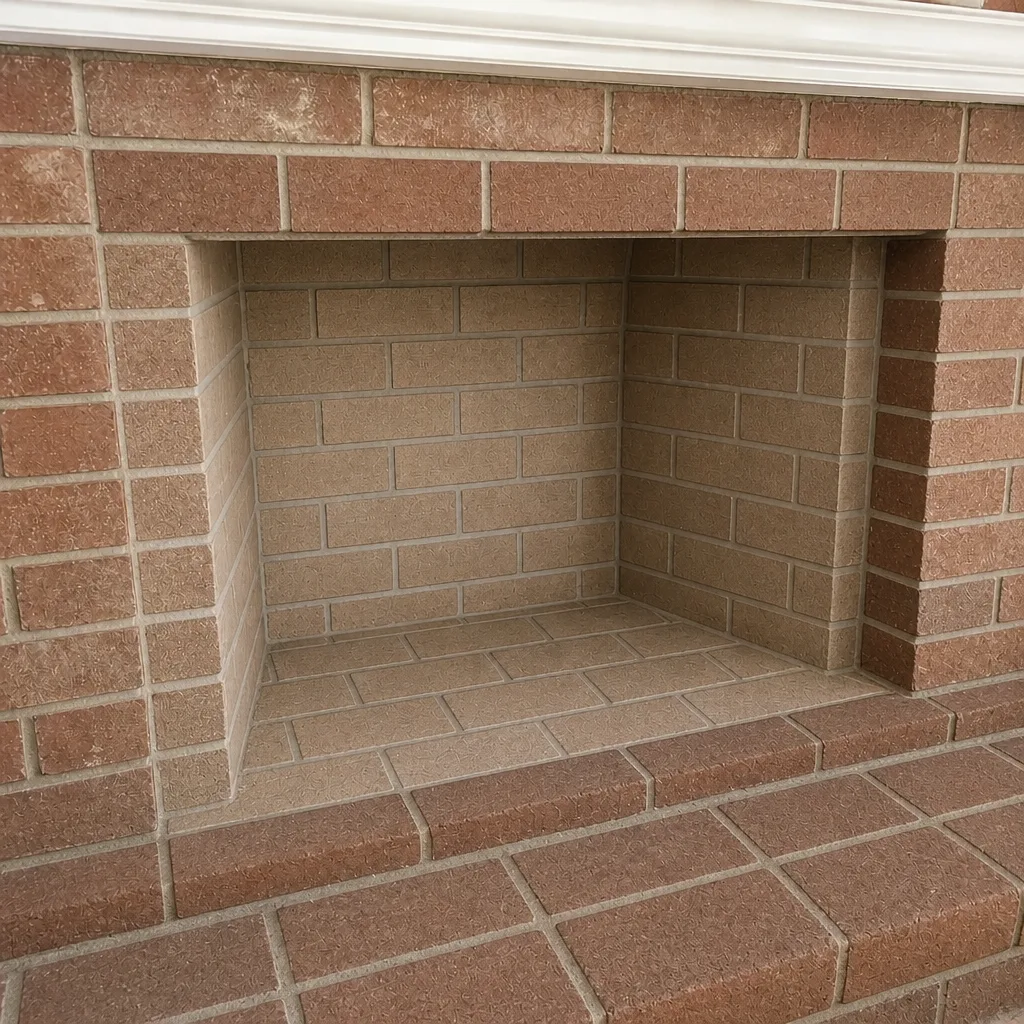
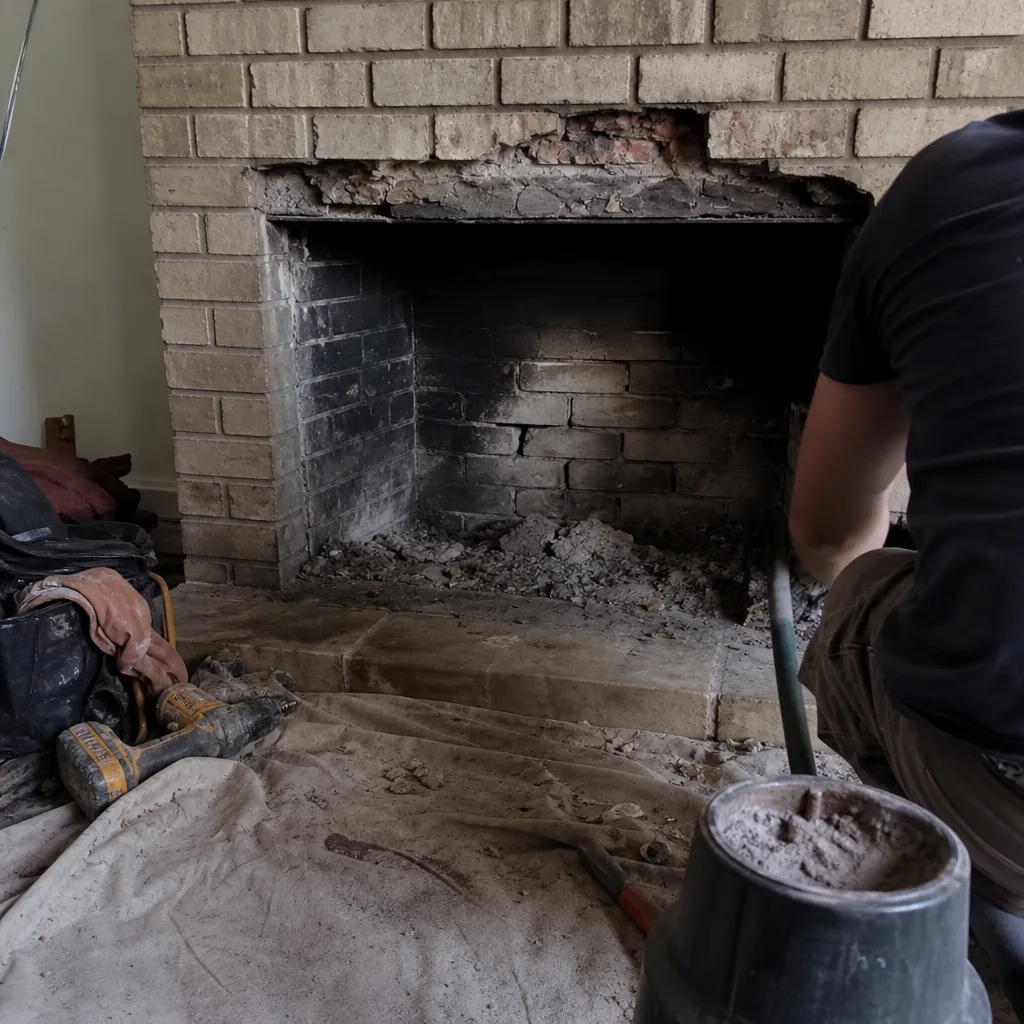
See the difference
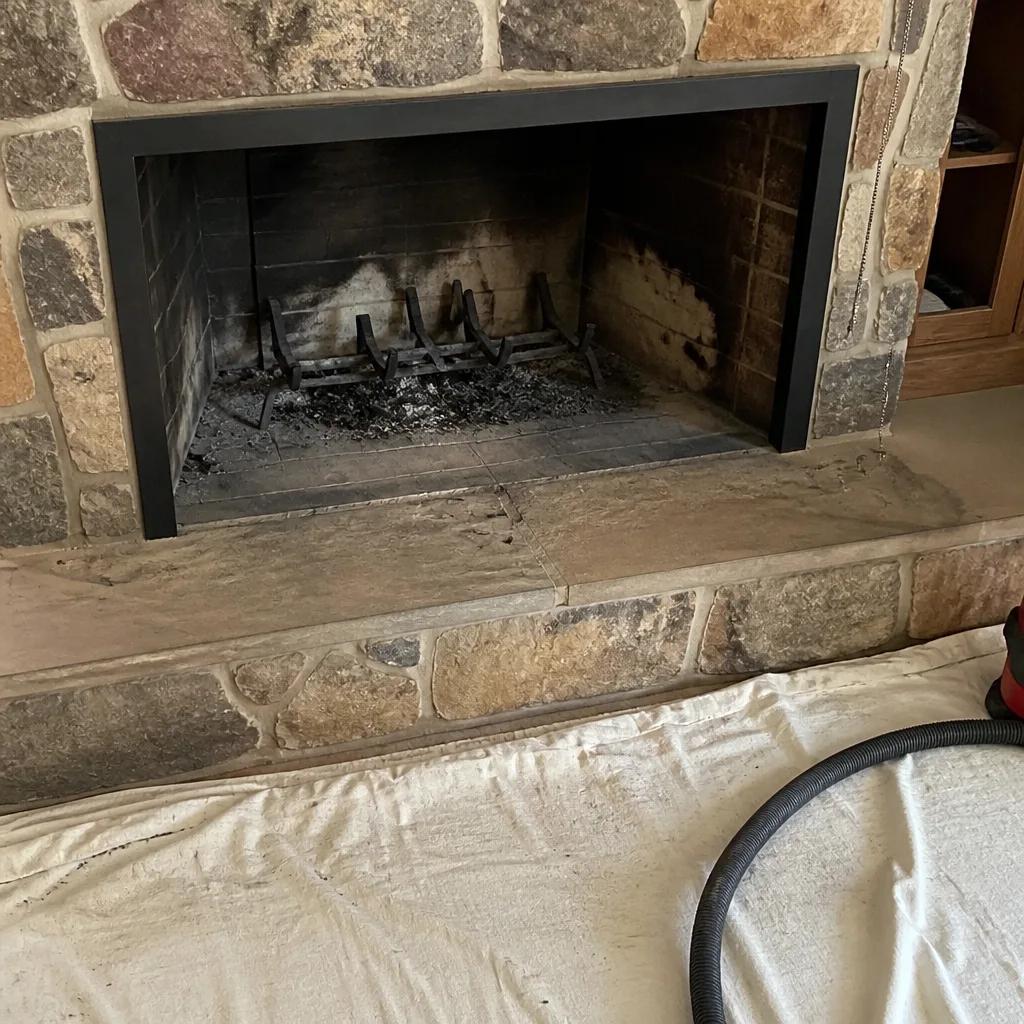 Before
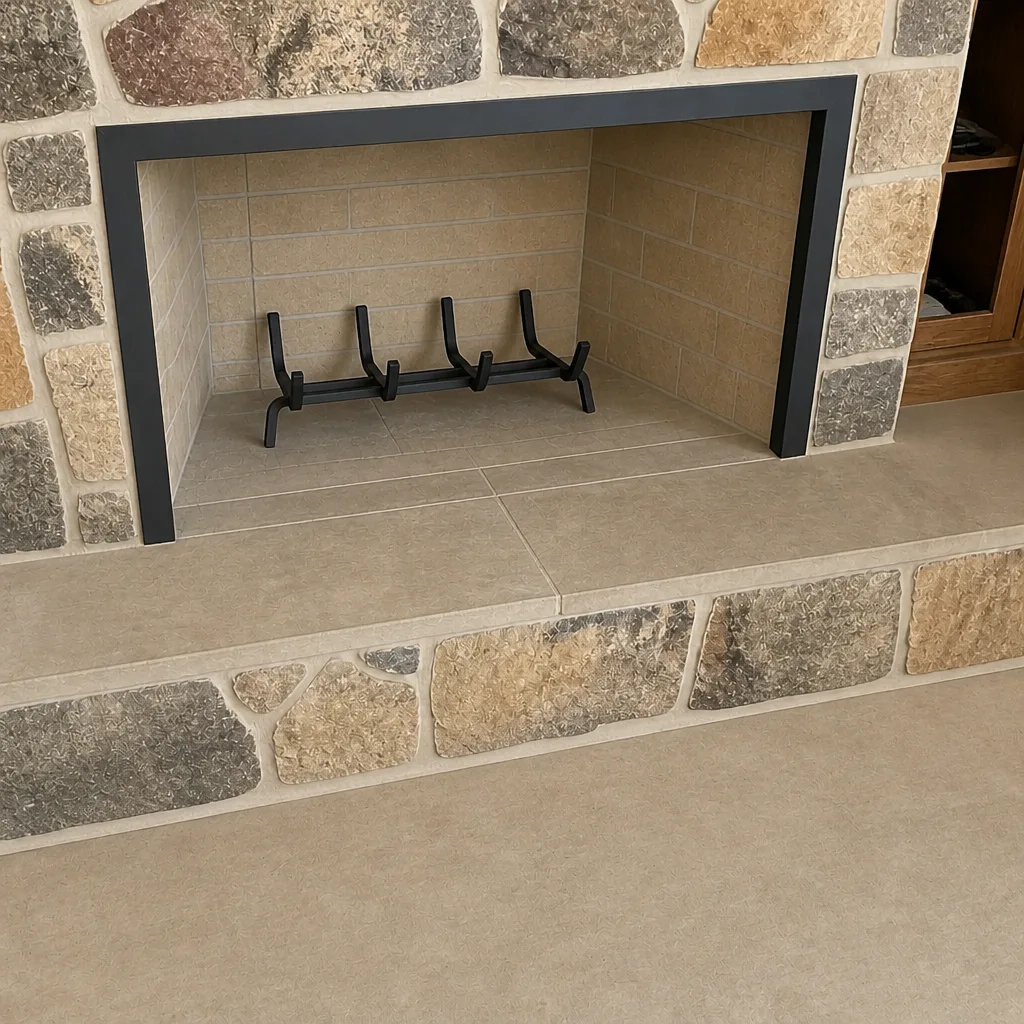 After
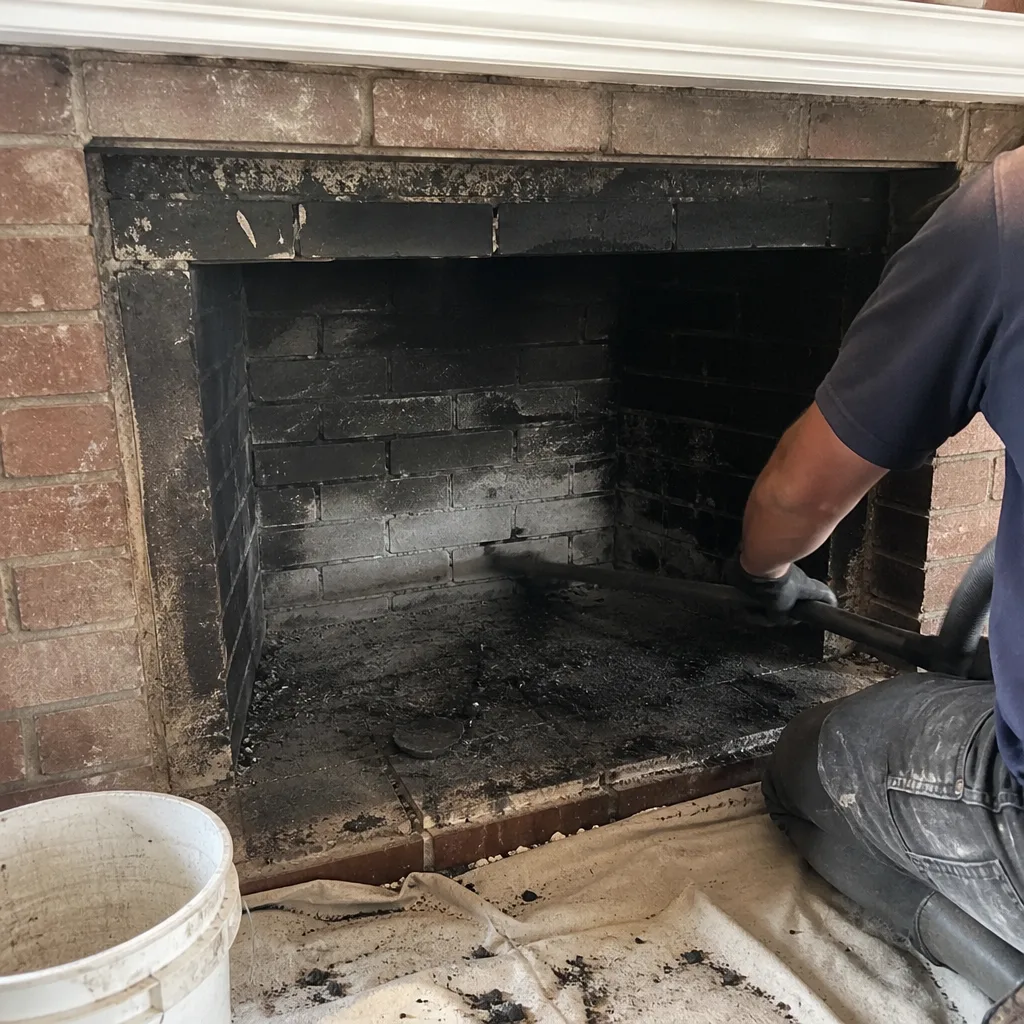 Before
 After
 Before
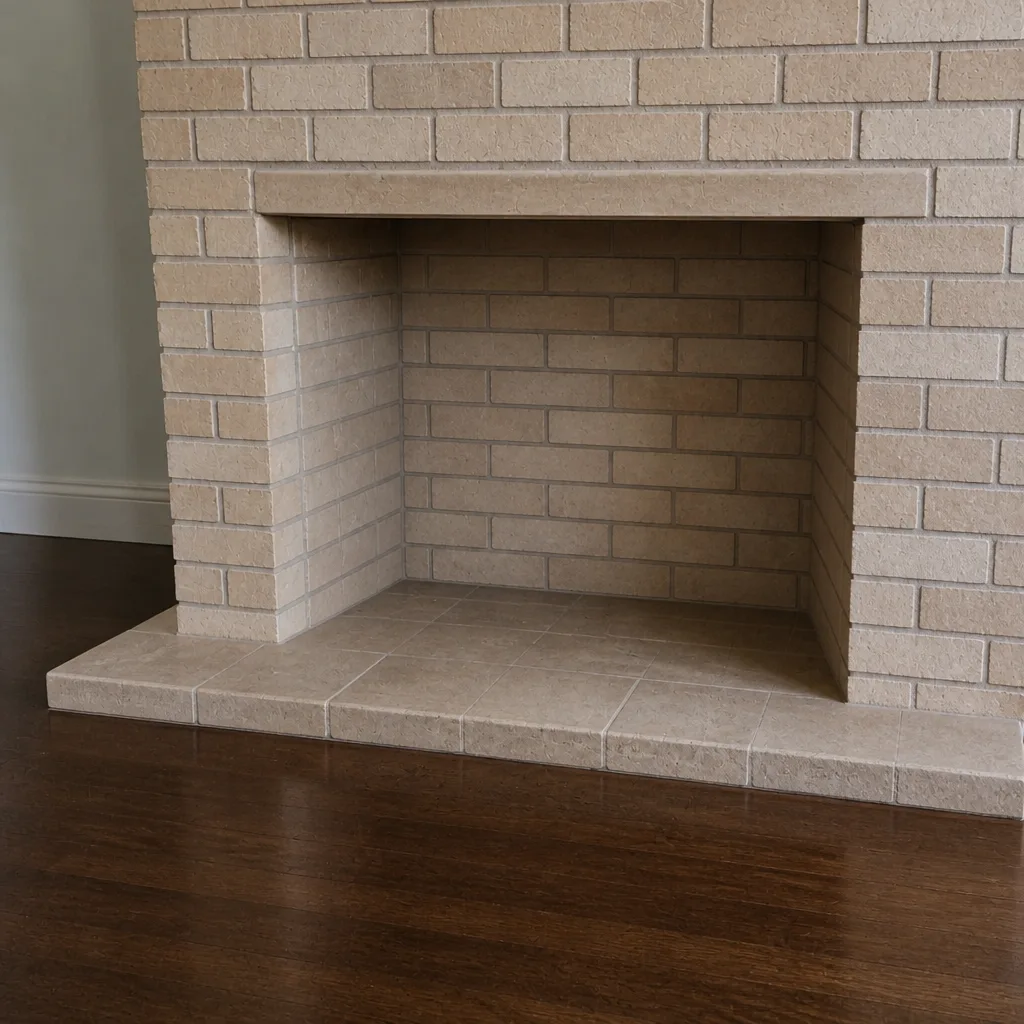 After
When to Call a Professional
Some chimney work is routine, and some of it shouldn’t wait for your next scheduled sweep. Call a professional if you notice a strong creosote smell in the house, if smoke backs into the room when you light a fire, if the damper doesn’t open or close smoothly, if you see cracked or missing mortar on the crown, or if the cap is damaged or missing. Any of these is a signal that something has changed since the last inspection.
If you’ve just moved into a Herriman home and don’t know the chimney’s history, book an inspection before the first fire. And if a previous contractor flagged a repair you didn’t act on, that’s worth a second look before another season goes by. Herriman Chimney Sweep offers free estimates in Herriman – call (866) 972-2258, and we’ll tell you what we found and what it actually means.
Frequently Asked Questions
Chimney cleaning in Herriman typically falls in a range that depends on the flue type, creosote level, and whether a camera inspection is included, with repairs quoted separately after the inspection. The written estimate sets the final price. Call (866) 972-2258 for an exact quote – estimates are free.
Only if the inspection shows it, and only if you can see the evidence yourself. A failing liner has visible signs: cracked tiles, disconnected joints, or glazed creosote beyond what a brush can reach. A liner recommendation should always come with photos showing the problem. If a contractor can’t show you why, ask them to explain it more clearly before you authorize anything. Call (866) 972-2258 to have your flue inspected and the findings shown to you.
Most wood-burning chimneys should be swept once a year, and more often if you burn heavily through the season. Gas appliances need an annual inspection too, focused on venting rather than creosote. A Herriman home that burns regularly through the fall and winter is a home that should be on an annual schedule. Call (866) 972-2258 to book your pre-season sweep.
Creosote keeps accumulating on the flue walls, and the longer it builds, the higher the risk of a chimney fire and the harder it is to remove. Skipping a sweep doesn’t create a problem immediately, but it removes the inspection that would have caught one. A chimney that hasn’t been looked at in several seasons is a chimney whose condition is unknown. Call (866) 972-2258 before the season starts.
We inspect, diagnose, and repair, so you don’t need a second contractor to finish the job. That covers liner relining with DuraFlex, ceramic resurfacing with HeatShield, cap and crown installation, and chimney repair for the masonry and flashing around the flue. One company from inspection to finished repair. See our fireplace repair page for appliance work.
Utah does not require a state license for chimney sweeps, which means the credential question is up to you. Ask about CSIA certification, NFI certification for appliance work, and general liability insurance. A trained contractor answers those questions directly, and the answer tells you what kind of visit you’re booking. Call (866) 972-2258 to talk to us about your chimney.
The Bottom Line
Hiring a chimney contractor in Herriman comes down to a few things you can verify. Check for CSIA certification and NFI certification where appliance work is involved. Ask for a written scope of work before you book, and confirm the company uses a camera and provides a written report with photos. Watch for the signs of a quote that skips the inspection: an unusually low flat rate, no written scope, or pressure to decide today. Work with a full-service company that can both diagnose and repair, so the recommendation and the repair come from the same source. Our technicians have up to 12 years of experience, and we inspect before we recommend.
If you’d like a free estimate on your Herriman home, call (866) 972-2258. We answer 24/7. Fast dispatch from 7am to 7pm, Sunday through Friday. We’ll use professional-grade materials from DuraFlex, HeatShield, Gelco, and Olympia Chimney where the job calls for them, and we’ll show you the evidence before we recommend anything.
Written by the team at Herriman Chimney Sweep.