
Last updated November 24, 2026
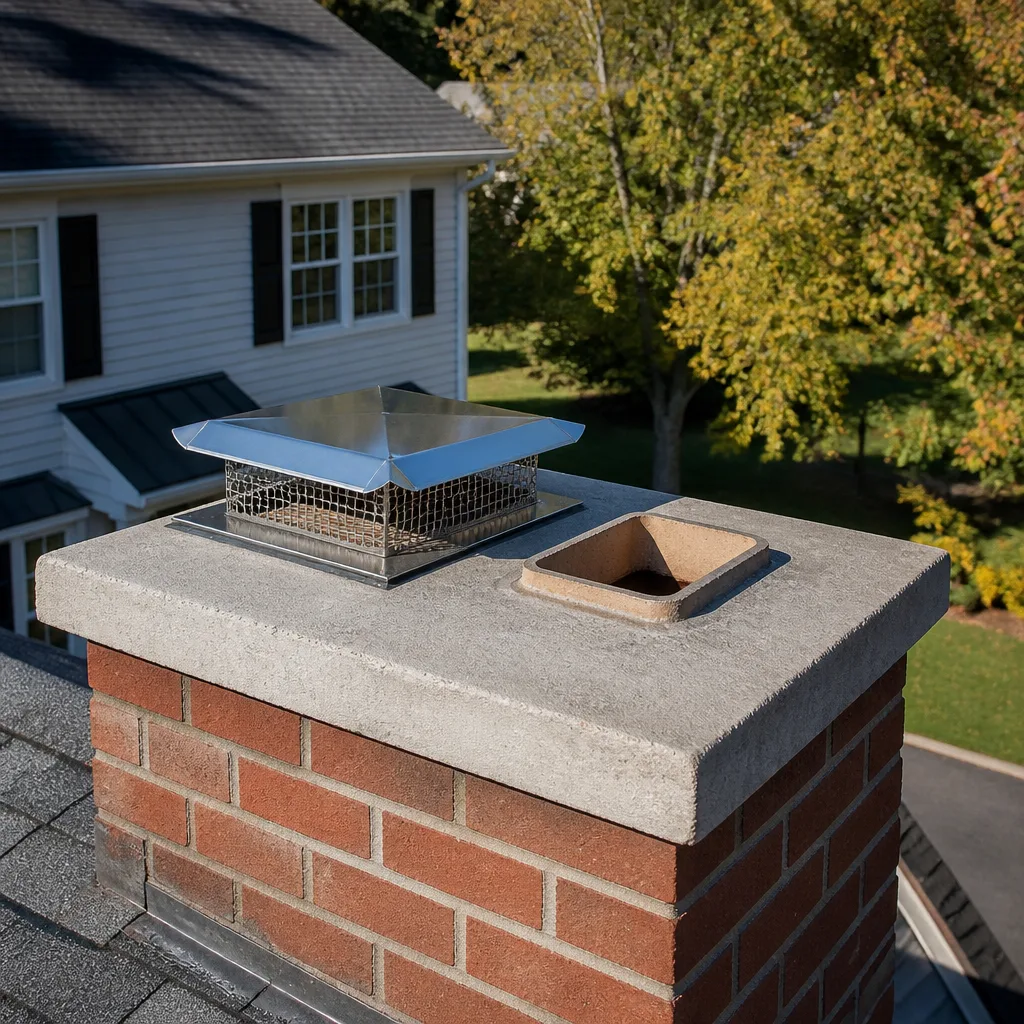 Sweep & inspection
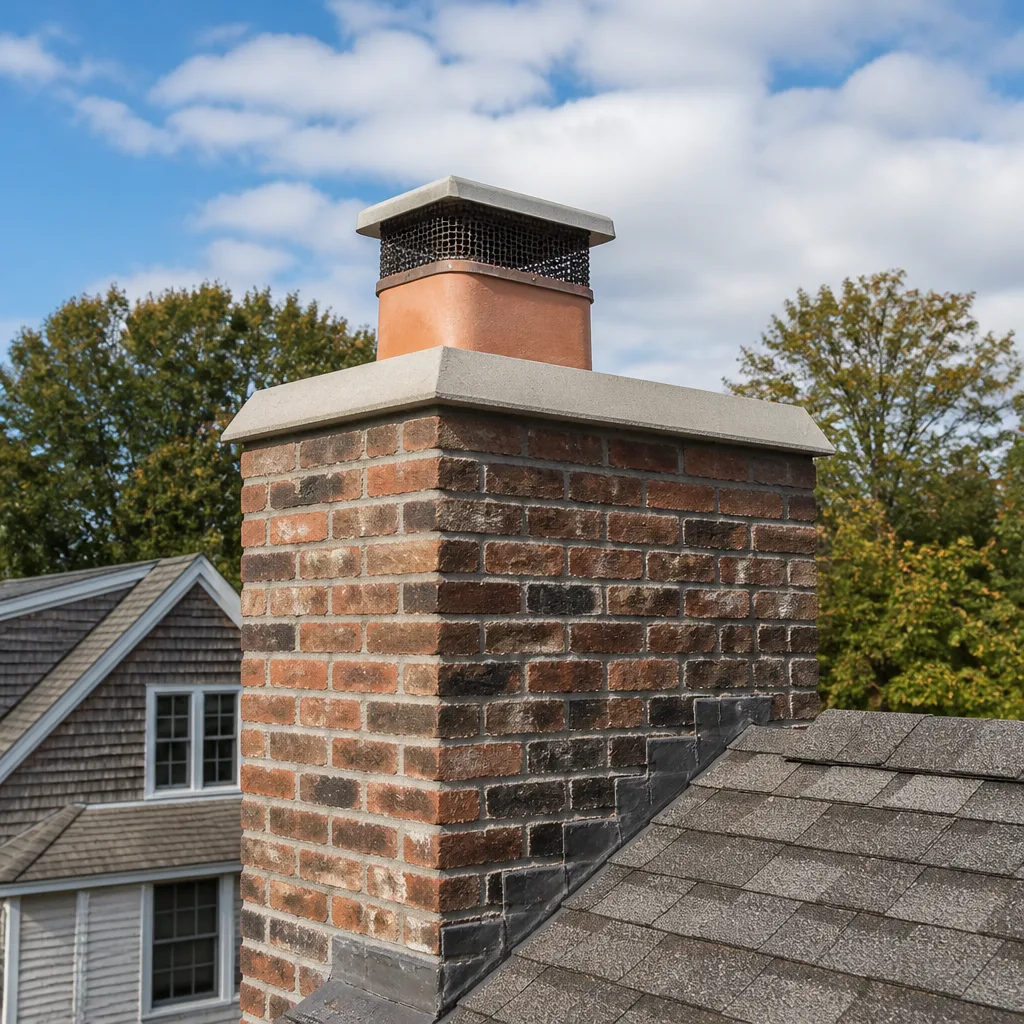 Caps & crowns
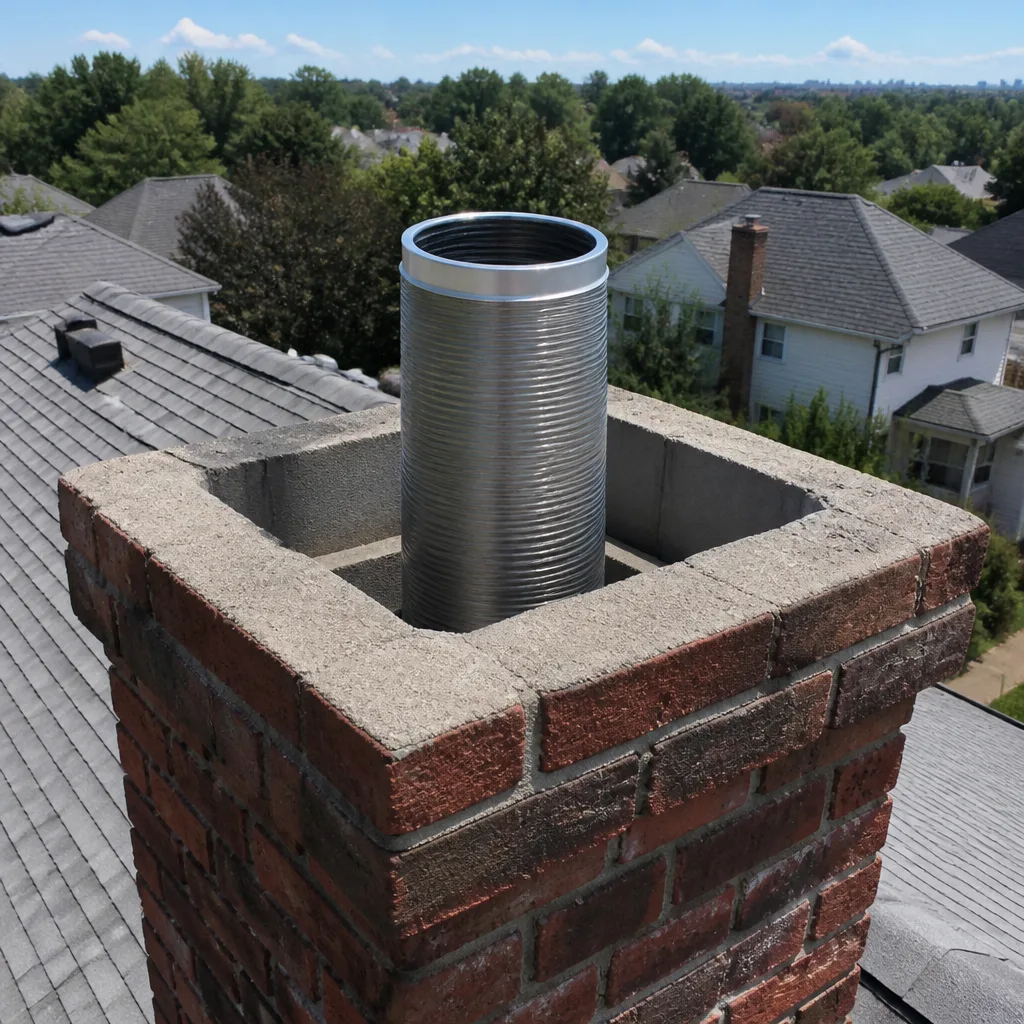 Flue relining
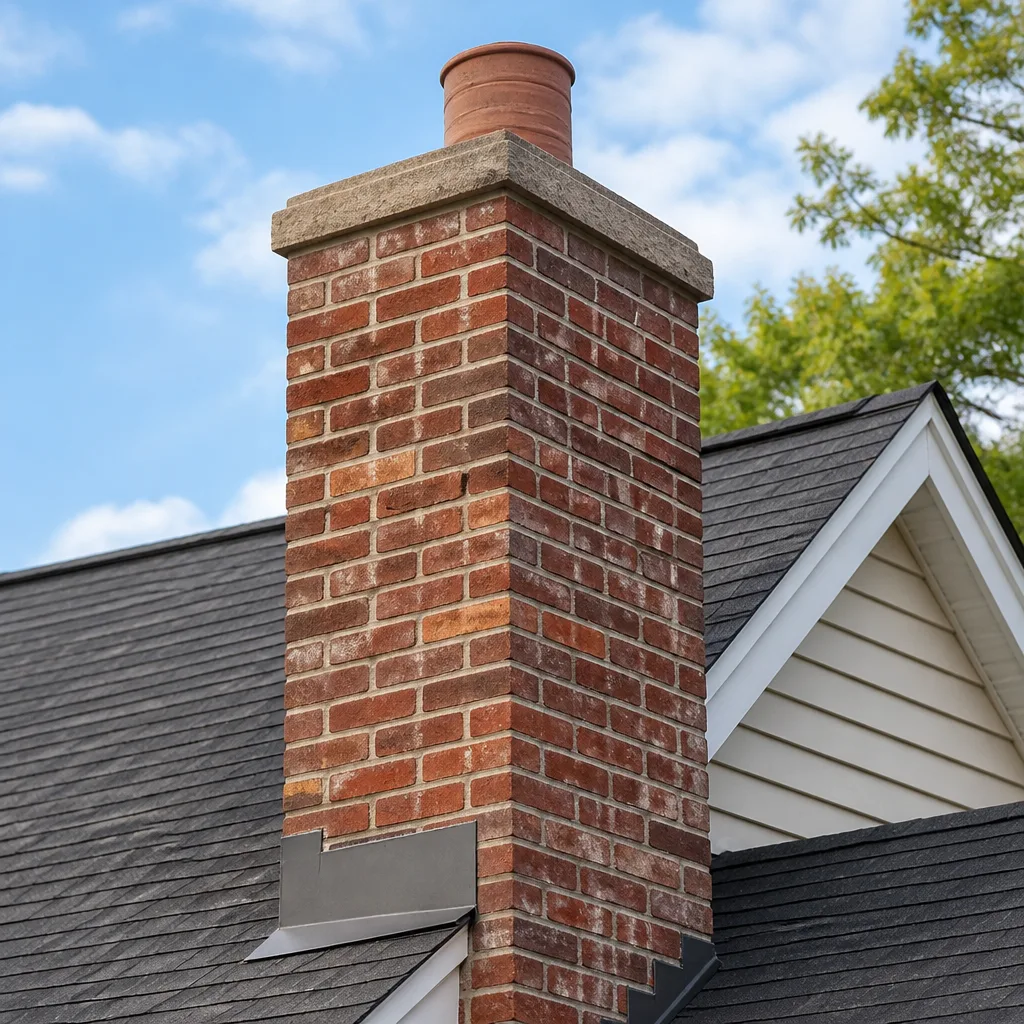 Masonry repair
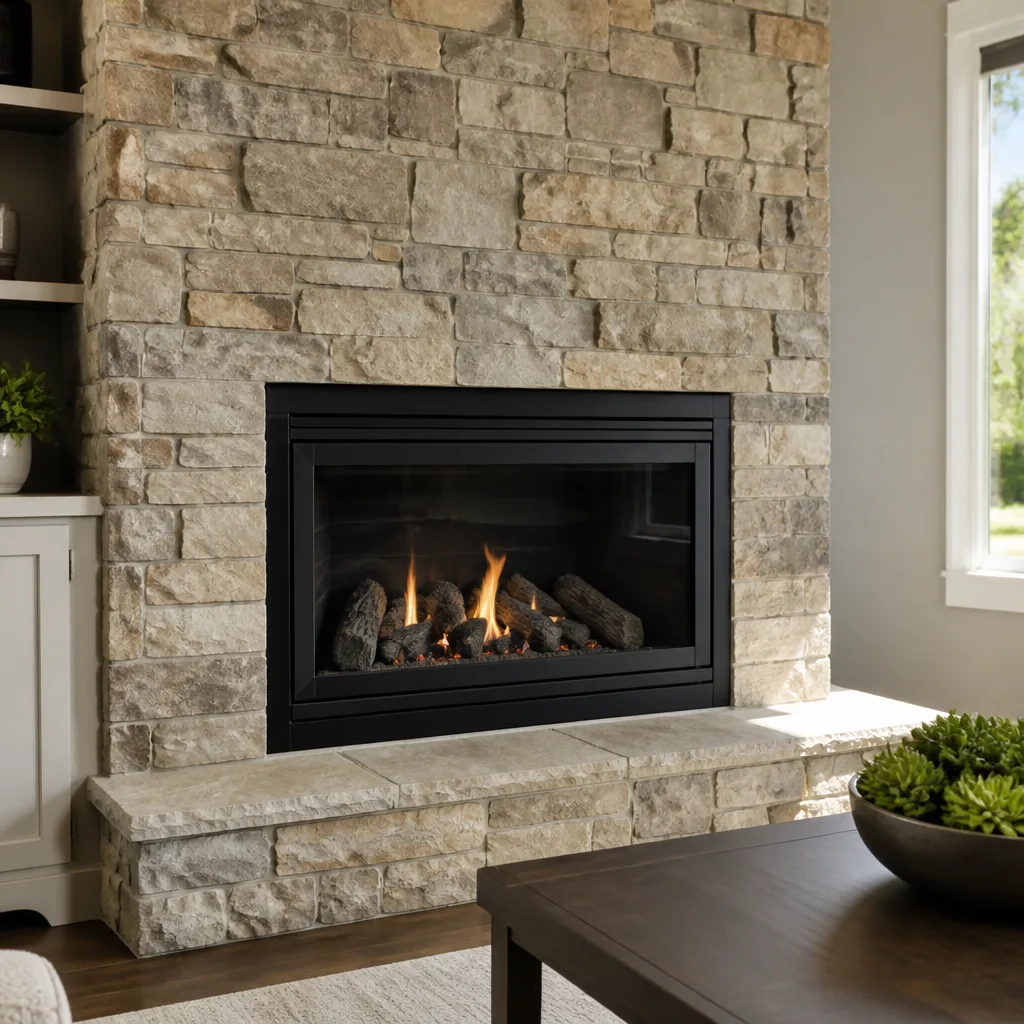 Gas fireplace service
Level 1 sweep and inspection to the NFPA 211 annual standard - flue, crown, cap, and flashing checked and photographed
Chimney sweep logs do not sweep chimneys. They loosen some creosote - which then falls where a brush and vacuum still have to collect it.
Seasonal Chimney Cleaning Care for Herriman: Year-Round Homeowner’s Guide
Most Herriman homeowners schedule a chimney cleaning in October and consider the job handled until next fall. That single visit covers the burn season, and it leaves the rest of the year unaddressed. The chimney crown is drying and cracking in July. The cap is corroding through the spring thaw. The damper seizes from disuse by December. A chimney is an outdoor structure bolted to your roofline, and Herriman’s swings between hard freeze, dry summer heat, and valley inversion put different loads on it in every season. This guide walks through what each season actually does to your chimney, what to check, and when to act, with a task calendar built for this climate rather than a generic national template.
Quick Answer
A chimney in Herriman needs attention in all four seasons, not one annual sweep. Spring is for clearing winter creosote and checking for moisture damage after snowmelt. Summer is when UV and heat attack the crown and cap. Fall is for a full inspection before the first fire, and October is already late for repairs that need curing time. Winter is about draft, combustion quality, and burning safely through inversion days. The single most useful habit is an inspection-first schedule: diagnose in fall, clean in spring, and inspect the exterior at the season changes in between.
Styles & brands we work with
- Sweep & inspection
- Caps & crowns
- Flue relining
- Masonry repair
- Gas fireplace service
Table of Contents
- Why Seasonal Care Beats One Annual Sweep
- Spring: What Winter Leaves Behind
- Summer: Heat, UV, and the Long Idle
- Fall: Pre-Season Inspection Timing
- Winter: Draft, Combustion, and Inversions
- A Seasonal Task Calendar for Herriman
- Common Mistakes to Avoid
- When to Call a Professional
- Frequently Asked Questions
Why Seasonal Care Beats One Annual Sweep
A chimney is not a passive tube. It’s a working masonry or metal structure that expands, contracts, absorbs moisture, dries out, and takes heat shock every time you burn. The inside handles smoke, creosote, and condensation. The outside handles sun, snow, freeze-thaw cycles, and wind. Those are two different sets of problems on two different clocks, and a single October visit catches neither at the right moment.
Think about what a fall sweep actually sees. By October, the crown has already spent a full summer baking and cracking. The cap has weathered a spring of meltwater. The firebox has sat unused for months, and any glazing on the damper or rust on the firebox has had time to set. A sweep in October confirms the firebox is clear. It doesn’t tell you whether the crown will survive another winter.
Seasonal care flips the order. You diagnose the whole system, not just the flue. Then you clean and repair on a schedule that matches what each component goes through:
- The flue accumulates creosote during the burn season, so it gets cleaned after winter, not before the next one.
- The crown is a concrete or masonry cap on top of the chimney. It takes the most sun and the most freeze-thaw, so it needs a look in summer and again before winter.
- The cap is the metal or mesh cover over the flue opening. It handles rain, snow, birds, and wind, and it corrodes on a schedule all its own.
- The firebox and damper sit idle for months and fail from disuse as often as from use.
In our experience, the chimneys that need the biggest repairs are the ones that only ever got swept. The ones that get looked at in more than one season are the ones that stay in service without surprises. If you want a single anchor point for the year, make it an inspection rather than a sweep. We inspect before we recommend, which means the recommendation follows what we find, not what month it is.
Spring: What Winter Leaves Behind
Spring is the most useful season to book a cleaning in Herriman, and almost nobody does it. Winter is when your chimney does its heaviest work: months of fires, months of creosote building on the flue walls, months of condensation forming as warm flue gas meets a cold chimney. That residue sits there all summer if it isn’t removed. Creosote is acidic and hygroscopic, meaning it pulls moisture out of the air. Left on the flue through a humid spring, it can work into masonry and mortar joints.
A spring sweep clears the flue before the long idle season instead of waiting until the residue has had five months to settle in. It also means you find out in April, not October, whether last winter did any damage.
What to Check After Snowmelt
Herriman sits at elevation along the Wasatch bench, and the snow that piles on a roof in January melts slowly through March and into April. That meltwater is the thing to watch. Water is the single most destructive force on a masonry chimney, and the freeze-thaw cycle turns it into a slow demolition tool. Look for these signs from the ground with binoculars:
- Staining on the chimney’s exterior. White chalky streaks or dark vertical runs on brick or stucco mean water is getting in somewhere and coming out the side.
- Cracked or flaking mortar joints. Small horizontal cracks that widen at the top of a joint are freeze damage. Water got in, froze, and pushed the mortar apart.
- A crown that looks worn or separated. The crown should overhang the chimney slightly with a drip edge. If it’s flat, cracked, or pulling away from the flue, meltwater is running straight down the sides.
- Rust or corrosion on the cap. A cap that’s rusted through lets water straight into the flue, and it’s a cheap thing to replace before it becomes a flue problem.
- Water stains on the ceiling or firebox interior. Interior staining is a late sign. If you see it, water has already traveled through the masonry.
If your inspection turns up a cracked crown or a failing cap, this is the season to fix it. Masonry work and sealants cure reliably in warm spring weather, and you’re months away from needing the chimney. That’s the whole argument for spring repair: you get to solve the problem on your schedule instead of in a panic the week before you want a fire. You can read more about the repair side of this in our guide to chimney repair.
Summer: Heat, UV, and the Long Idle
Summer is the season homeowners assume the chimney can be forgotten, and it’s the season it takes the most silent damage. A Herriman summer brings intense sun, dry air, and long stretches with no fire at all. Every one of those conditions hits a different part of the chimney.
The crown is the poster child for summer damage. A concrete or masonry crown sits fully exposed on the roof all day, absorbing UV and expanding in the heat. When the afternoon cools, it contracts. Do that thousands of times across a summer, and hairline cracks open. Those cracks are invisible from the ground until they’ve widened enough to let water in, and by then winter freeze-thaw is working on them.
The cap has a similar but faster problem. Metal caps corrode, and the sun and heat accelerate the process. Mesh screens rust and tear. By the time fall arrives, a cap that looked fine in spring can be a loose lid that rattles in wind and lets debris into the flue. Caps and crowns from Gelco and Famco are built for exactly this exposure. They’re specified by chimney professionals because they fit properly and last, not because they’re the cheapest thing that closes the hole.
What to Do Before a Season of Non-Use
Before you close the fireplace up for the summer, do a short check so that months of disuse don’t turn into a fall surprise:
- Check the damper closes and opens freely. A damper that’s already stiff in early summer will be seized by fall. Work it open and closed a couple of times across the summer.
- Look at the cap from the ground. Binoculars are enough to spot a rusted-through cap or a torn screen. If it’s compromised, summer is a fine time to replace it.
- Check the crown for cracks. Hairline cracks in midsummer become real cracks by fall. Catching them early is what keeps a crown repair from turning into a crown replacement.
- Clear debris from the chimney top and the fireplace opening. Leaves, twigs, and bird nesting material collect over months of non-use and block the flue.
- Note any odor in the firebox. A strong smell on humid days often means creosote is still on the flue walls, which is your cue to schedule a spring or early summer cleaning rather than waiting until fall.
One thing worth planning for in summer: if your chimney needs a new liner, a relining job scheduled now gets done in good weather with no pressure. DuraFlex flexible liners are the industry-standard product for that work, and installing one in July beats installing one in November when everyone else finally calls. Summer scheduling is the single biggest advantage a homeowner has.
Fall: Pre-Season Inspection Timing
Fall is the right time for a full inspection, but October is often already late. That sounds counterintuitive. Here’s why it isn’t. A chimney inspection in early fall finds problems while there’s still time to fix them before the first fire. An inspection in late October finds the same problems when the first cold snap is a week away, the schedule is full, and any repair that needs curing, curing time, or a special order becomes a choice between rushing it and burning without it.
Schedule the inspection in September if you can, or the first half of October if you can’t. That gives a repair window that doesn’t collide with the first burn.
What a Pre-Season Inspection Should Cover
Inspection-first is the whole point. A proper inspection looks at the entire system, not just the flue, and it should end with a plain-language explanation of what was found. A thorough pre-season inspection covers:
- The flue interior for creosote level, blockages, and liner condition.
- The firebox for cracked brick, deteriorated mortar, and firebox liner damage.
- The damper for smooth operation and a proper seal when closed.
- The smoke chamber and shelf above the firebox, which is where turbulence and creosote buildup often hide.
- The crown and cap for cracks, corrosion, and fit.
- The exterior masonry for spalling brick, failing mortar joints, and any sign of water intrusion.
If the inspection turns up a damaged flue liner, the fix isn’t always a full tear-out. HeatShield ceramic resurfacing repairs a masonry liner from the inside, which is a less invasive option than demolition and rebuilding. We’re certified to apply it, and it’s a system most sweep-only companies can’t offer. That matters because a liner problem found in September can often be solved without opening a wall. Found in November, it’s a much harder conversation.
What to Verify Before the First Fire
Before you light the first fire of the season, confirm four things: the flue is clear, the damper operates, the cap is intact, and the firebox has no loose or cracked brick. If any of those four is in doubt, get it looked at first. A fire in a chimney with a blocked flue or a failed liner isn’t a maintenance issue, it’s a safety issue, and it’s the reason inspection comes before the season, not after. Our chimney sweep service is a natural companion to the fall inspection, since the two are usually booked together once the burn season is close.
Winter: Draft, Combustion, and Inversions
Winter is when the chimney earns its keep and when problems show up as symptoms instead of cracks. If your fireplace smokes into the room, smells odd, burns sluggishly, or leaves a lot of unburned wood in the grate, the chimney is telling you something. The trick is knowing which symptom points to which cause.
The most common cold-weather complaint is poor draft. A cold chimney full of cold air resists the upward flow of smoke until the flue warms up. On a cold morning that can take longer than you’d expect, and a fire started too fast will smoke backward into the room. A pre-warmed flue drafts better, and a fire built small and allowed to grow warms the chimney more reliably than one built big and hot from the start.
Recognizing Incomplete Combustion
Creosote is what incomplete combustion leaves behind. When a fire doesn’t get enough air or heat, it produces more smoke and more of the deposits that can ignite inside a flue. Winter is when that matters most, because winter is when you burn hardest. Watch for these signs, which point to a fire that isn’t burning cleanly:
- Dense, rolling smoke from the chimney top. A healthy fire burns with a thin haze or almost nothing. Thick smoke means fuel is not fully combusting.
- Black or glazed deposits on the flue walls, visible when the chimney is cleaned. Glazed, tar-like creosote is the most combustible grade and needs professional attention.
- Smoke spilling into the room, especially when you open the door or add wood.
- Sluggish, smoldering fires that hiss, smolder, and leave a lot of charred wood behind.
- A strong creosote smell inside the house, which often gets worse on damp or mild days.
Burning well is the best defense. That means dry, seasoned wood, a fire that stays hot enough to burn its own smoke, and never smoldering a fire overnight to keep coals alive. Keep the damper fully open while the fire is establishing and only close it down as the fire burns down, not to choke it.
Burning Safely Through Herriman’s Inversions
Herriman sits on the west side of the Salt Lake Valley, and winter inversion conditions trap cold air and smoke close to the ground. On bad-air days, the smoke from your chimney goes down before it goes up. That’s a reason to burn cleaner, not to stop burning. Use dry wood, avoid burning trash or treated or painted wood, and don’t overload a fire on a still day. If the smoke from your chimney is sinking into the street, so is everyone else’s, and a clean-burning fire is the neighborly move. It’s also the fire that leaves less creosote behind for spring.
A Seasonal Task Calendar for Herriman
Here is the whole year on one page. This calendar is built for Herriman’s actual seasons, not for a national average, so the timing will look different from a generic online checklist.
Spring (March through May)
- Book the post-season cleaning. Clear winter creosote off the flue before the summer humidity gets to it. A cleaning in April or May means the residue hasn’t sat for months.
- Inspect after snowmelt. Look for exterior staining, cracked mortar, a worn crown, and rust on the cap.
- Handle repairs now. Warm weather is when crack sealant cures reliably and masonry work goes smoothly. If your inspection found a cracked crown or a failing cap, fix it in spring.
- Clear the cap and top of the chimney of leaves and winter debris.
Summer (June through August)
- Check the crown for hairline cracks during the hottest, driest stretch. This is when UV damage shows up first.
- Look at the cap from the ground. Corrosion accelerates in summer heat. Replace a compromised cap while the weather is good.
- Work the damper open and closed periodically so it doesn’t seize from disuse.
- Schedule any liner or relining work now, before the fall rush. A DuraFlex relining job done in fair weather beats the same job squeezed in before the first freeze.
- Keep the firebox clean and dry so summer insects and moisture don’t move in.
Fall (September through November)
- Book the pre-season inspection in early fall, ideally September. This is the single most important item on the calendar, and the one most homeowners schedule too late.
- Verify the flue is clear, the damper works, the cap is intact, and the firebox is sound.
- Get good firewood ready. Dry, seasoned wood is the difference between a clean burn and a creosote factory.
- Address any repair the inspection found before the first fire, not after.
Winter (December through February)
- Warm the flue before lighting up on cold mornings to prevent backdraft.
- Burn hot and dry. Avoid smoldering fires and never burn treated or painted wood, especially during inversions.
- Watch for smoke spillage, sluggish fires, and creosote smell. Any of these is a prompt to call.
- Keep up with ash removal and leave a bed of ash in the firebox to help new fires catch.
If you only do one thing all year, do the fall inspection. If you do two, add the spring cleaning. Everything else on this calendar is checking, which costs nothing and catches the things that turn into expensive repairs when they go unnoticed.
See the difference
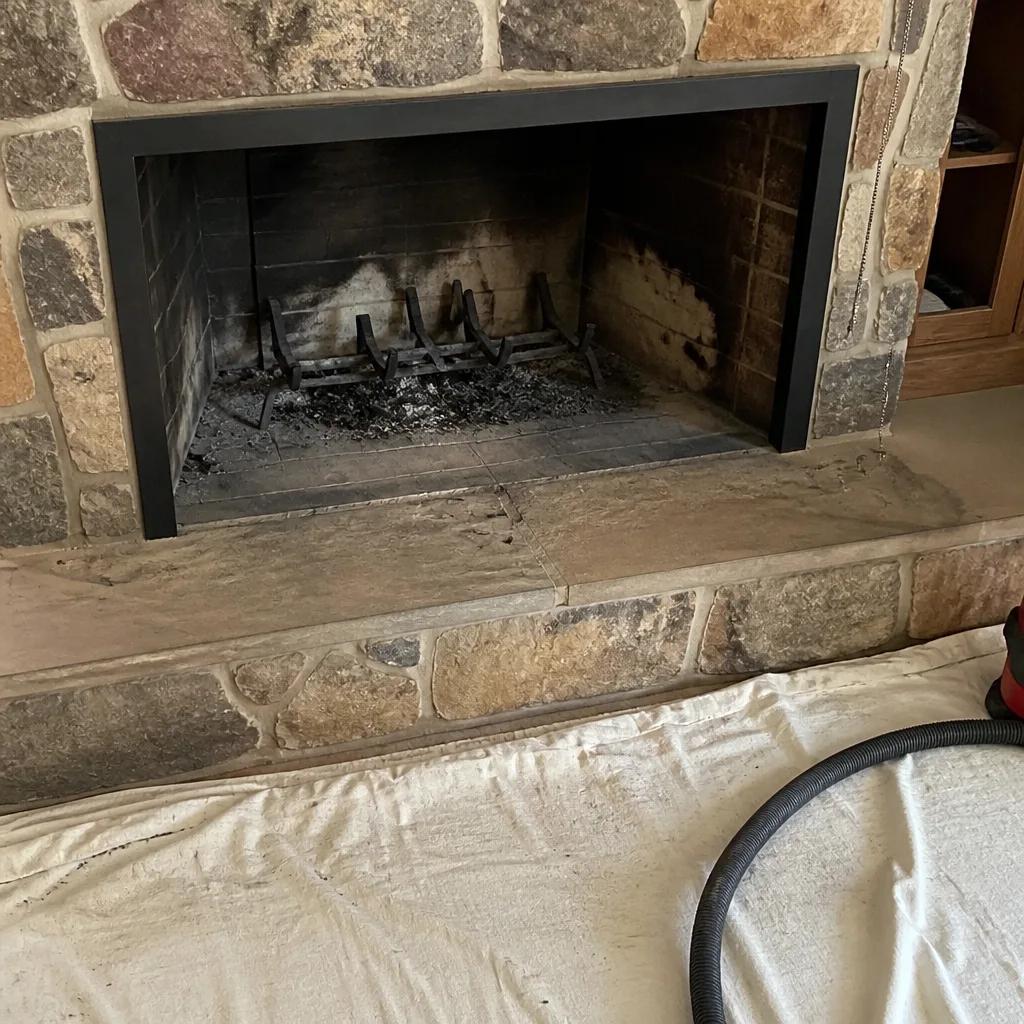 Before
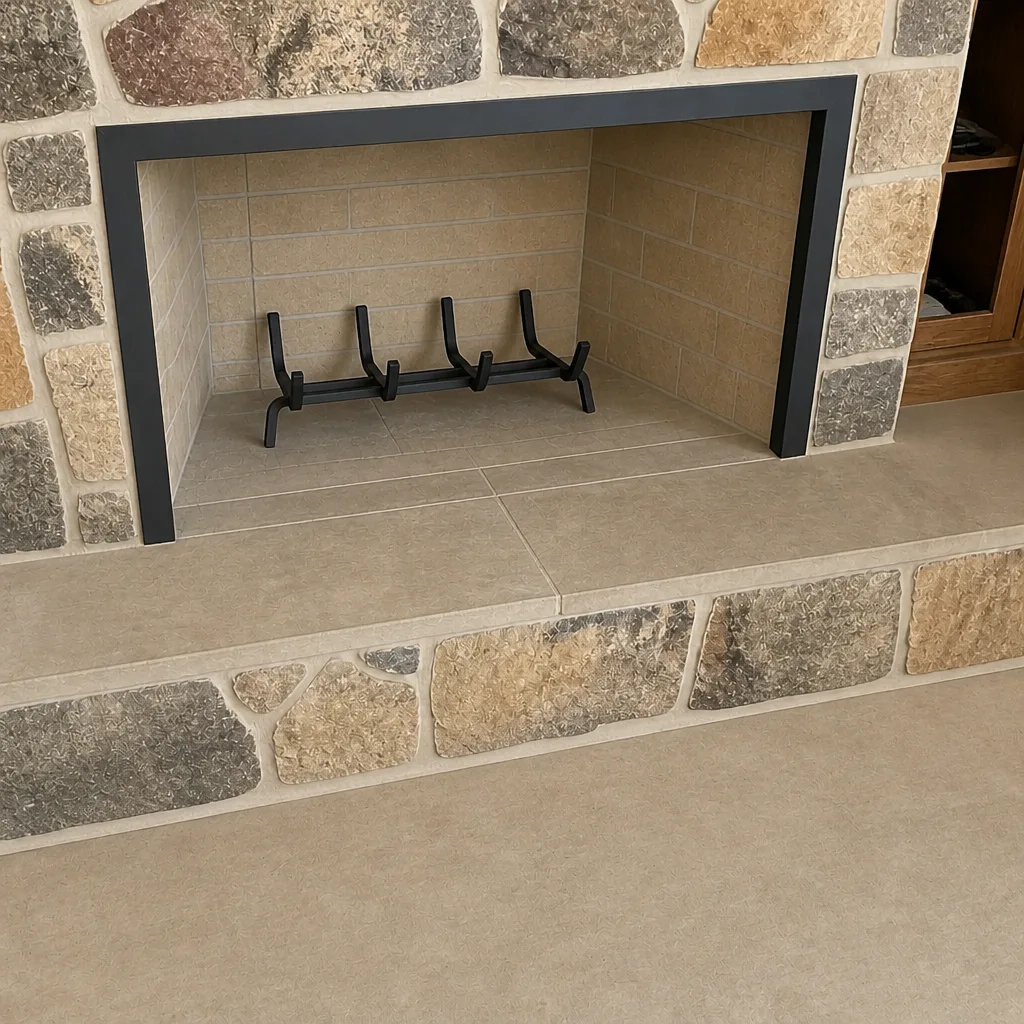 After
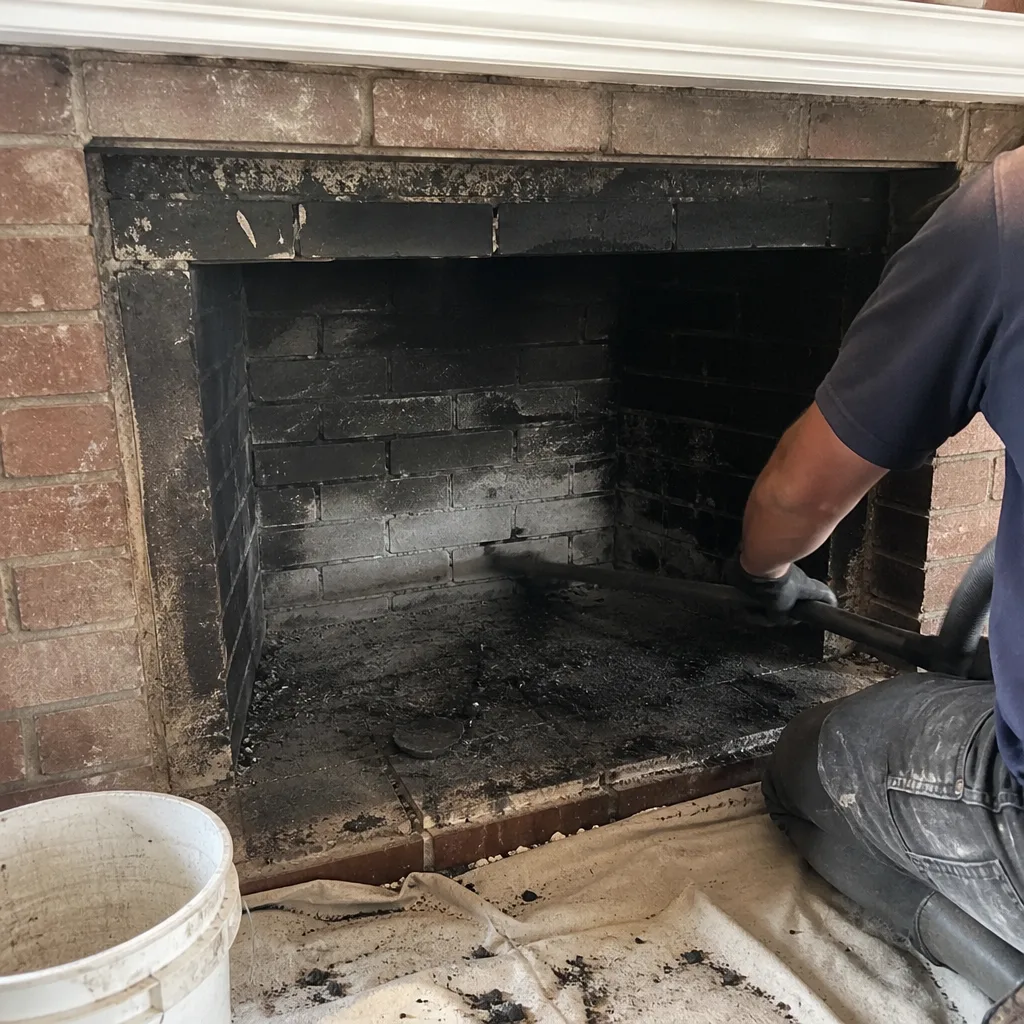 Before
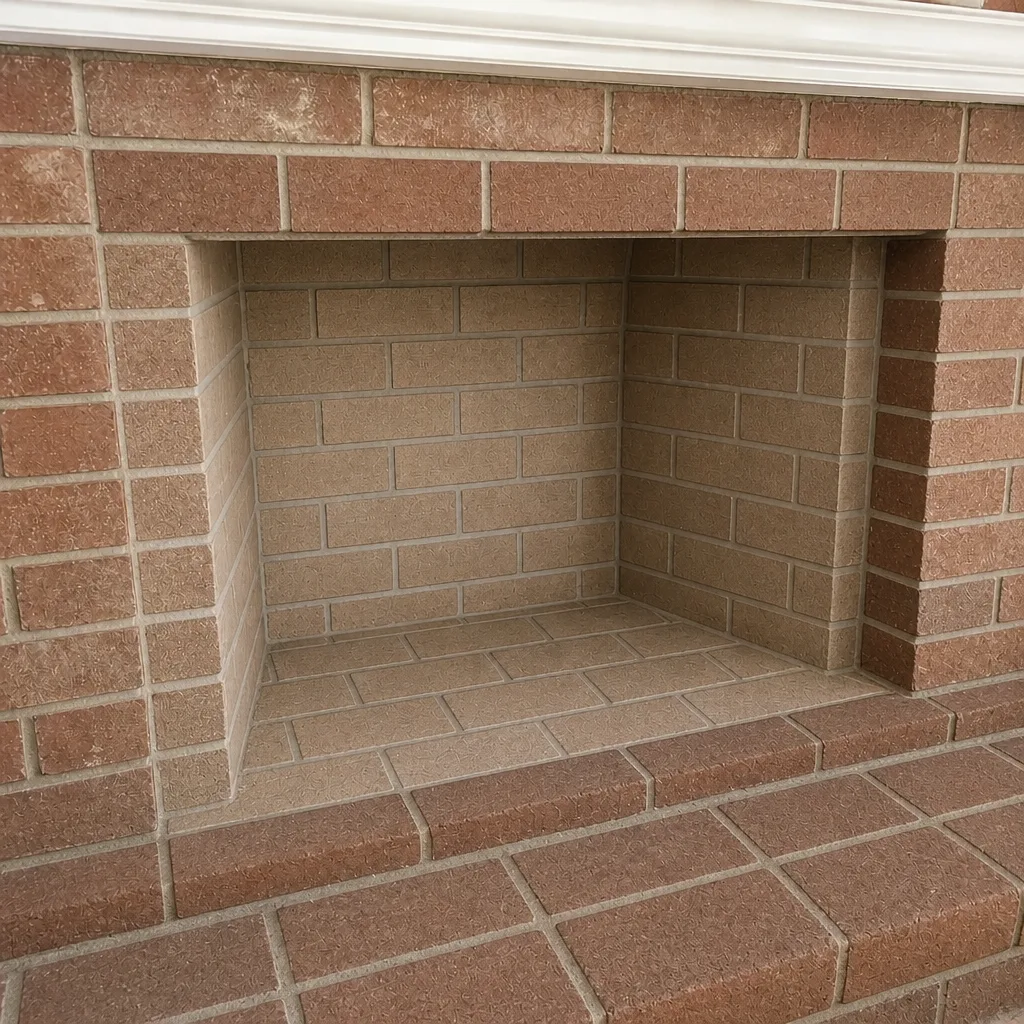 After
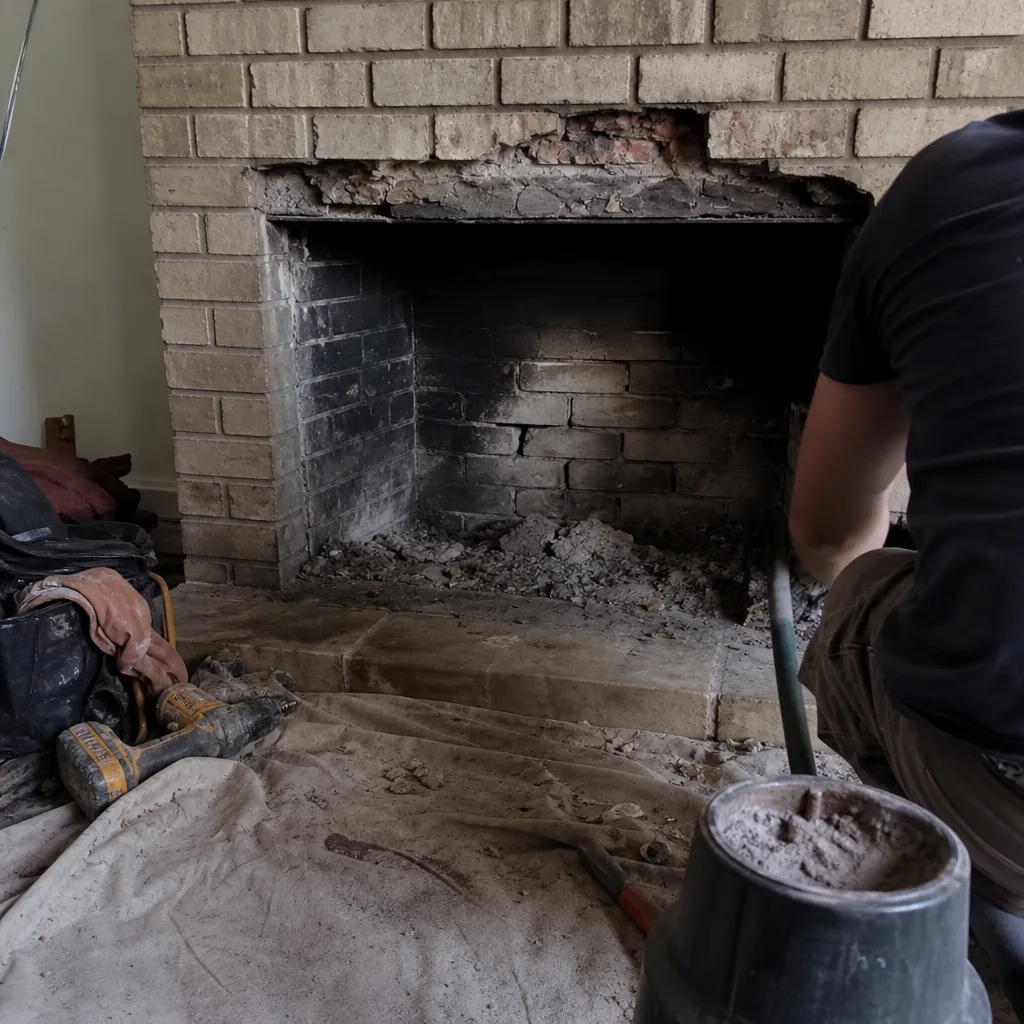 Before
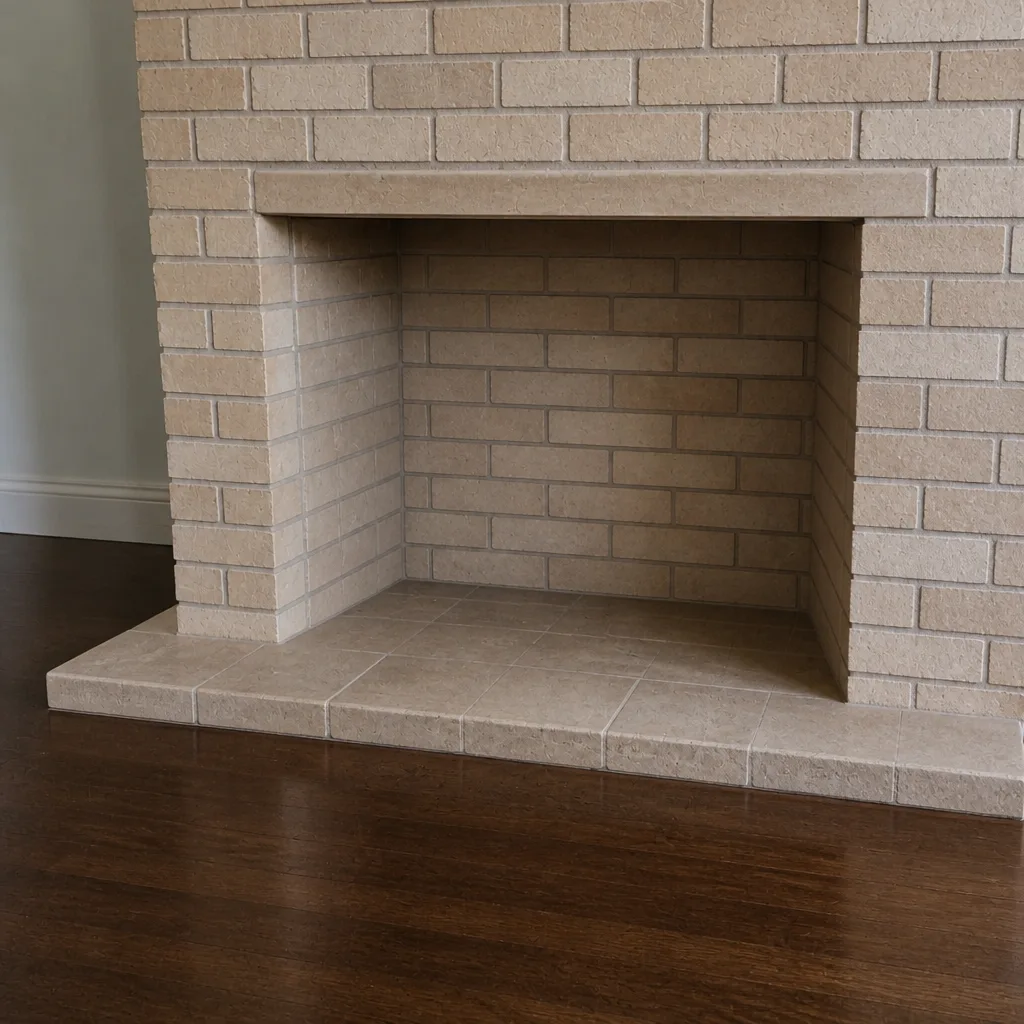 After
Common Mistakes to Avoid
- Scheduling the annual sweep for October and calling it year-round care. A sweep in October confirms the flue is clear on that day. It doesn’t check the crown that’s been cracking all summer or the cap that’s been rusting since March. Seasonal care means looking at the whole chimney at more than one point in the year.
- Waiting until snow is in the forecast to book a repair. Crown sealant, masonry work, and relining all need reasonable weather to finish properly. A cracked crown found in September can be sealed in September. Found in late October, it’s a race. In Herriman, the first hard freeze can arrive earlier than the calendar suggests.
- Assuming a brick chimney doesn’t need a cap. An uncapped flue takes in rain, snow, birds, squirrels, and leaves every season. Capping it is one of the cheapest protections you can add, and caps from Famco and Gelco are built to outlast the hardware-store alternatives.
- Burning green or unseasoned wood because it’s what’s on hand. Wet wood burns cool and smoky, which means more creosote on the flue walls and a dirtier chimney by spring. Seasoned wood costs a little more up front and saves you a cleaning later.
- Ignoring the smell in the firebox in summer. That creosote smell on humid days is the chimney telling you residue is still on the flue walls. It’s easier to clean in spring than to deal with in fall.
- Putting off a liner question because it sounds expensive. Not every liner problem requires demolition. HeatShield ceramic resurfacing repairs a masonry liner from the inside, which is a less invasive option than a full rebuild. The only way to know which you need is to have it looked at.
- Calling a general handyman for chimney work. Chimney diagnosis and repair is its own trade. A pressure washer with a brush kit can knock soot out of a flue; it can’t tell you whether your crown is failing, your liner is cracked, or your damper seal is gone. The material brands that chimney professionals use, like Olympia Chimney and Copperfield supply lines, aren’t what you find at a general contractor’s shop.
When to Call a Professional
Some chimney care is checking. Some of it is the kind of work that belongs to a trained technician, and it’s worth knowing the line between them. Call a professional when:
- You see smoke spilling into the room, or a fire that won’t draft properly.
- You spot cracked or crumbling masonry, a separated crown, or a cap that’s rusted through.
- The flue has a glazed, tar-like buildup, which is the most combustible grade of creosote.
- You’ve inherited a fireplace and don’t know its condition.
- Your inspection finds a liner problem and you need to know whether it’s a resurfacing job or a relining job.
- You’ve never had the chimney inspected and can’t say when it last was.
Herriman Chimney Sweep offers free estimates in Herriman, and our technicians have up to 12 years of experience. We handle the full scope, from inspection through cleaning, cap and crown work, fireplace and chimney repair, and relining, so you’re not chasing down a second contractor for the fix. Call (866) 972-2258 for an estimate, and we’ll tell you what we found and what it actually means.
Frequently Asked Questions
Once a year during active burn season is the usual baseline, but the right cleaning interval depends on how much you burn and what you burn. A household that uses the fireplace regularly through the winter benefits from a spring cleaning after the season, plus a fall inspection before the next one. Homes that burn infrequently may need cleaning less often, but they still need the inspection, because caps, crowns, and dampers age whether or not there’s a fire in them. Call (866) 972-2258 if you’re not sure which interval fits your home.
Spring is the better time for the cleaning itself, and early fall is the better time for the inspection. Cleaning in spring clears winter creosote before humid weather gets to it, and it lets you do any repair in warm weather. The fall inspection confirms the system is ready before you light the first fire. Doing both means the chimney is checked twice a year instead of once. Call (866) 972-2258 to book either, or both together.
Not always. A damaged masonry liner can often be repaired with HeatShield ceramic resurfacing instead of a full rebuild, and a failed or missing liner in a clay flue is often solved with a DuraFlex flexible liner system. Whether you need a full relining job depends on what the inspection finds: cracks, gaps, or deterioration in the existing liner. The honest answer is that we can’t say until we look. Call (866) 972-2258 for a free estimate and we’ll tell you what the inspection shows.
Creosote builds up on the flue walls, and glazed creosote is highly combustible. Over time, water intrusion works on the crown and masonry, and a compromised cap lets debris into the flue. The results range from a smoky fire and a chimney that needs major repair to a flue fire. Skipping one season usually means catching up on two, and spring is the cheapest time to catch up. Call (866) 972-2258 before the fall rush.
Cold air sitting in the flue resists the warm smoke trying to rise, and the fire smokes back into the room until the chimney warms up. Pre-warming the flue and building a small fire first usually solves it. If yours smokes even with a warm flue, or the problem is new, it may point to a blockage, a liner issue, or a draft problem that needs a look. Call (866) 972-2258 and we’ll schedule an inspection.
Summer is the best time for chimney repairs, relining, and cap or crown work, because fair weather gives the materials time to cure and finish properly and you’re not competing with the fall rush. A crack in the crown or a rusted cap found in July can be fixed in July. Found in October, it’s a scramble before the first fire. Call (866) 972-2258 to get on the schedule early.
The Bottom Line
Chimney care in Herriman isn’t one appointment. It’s four seasons doing four different jobs to the same structure, and the homeowners who stay ahead of it are the ones who look at the whole chimney, not just the flue. Clean in spring while the weather is warm and the creosote is fresh. Check the crown and cap in summer when UV damage is at its worst. Inspect early in fall before October gets too late. Burn dry and hot through the winter, especially on inversion days. If you want help building that routine, call (866) 972-2258 for a free estimate. We’ll tell you what we found and what it actually means, whether that’s a simple cleaning or a repair you can safely put off until spring.
Written by the team at Herriman Chimney Sweep.