
Last updated November 24, 2026
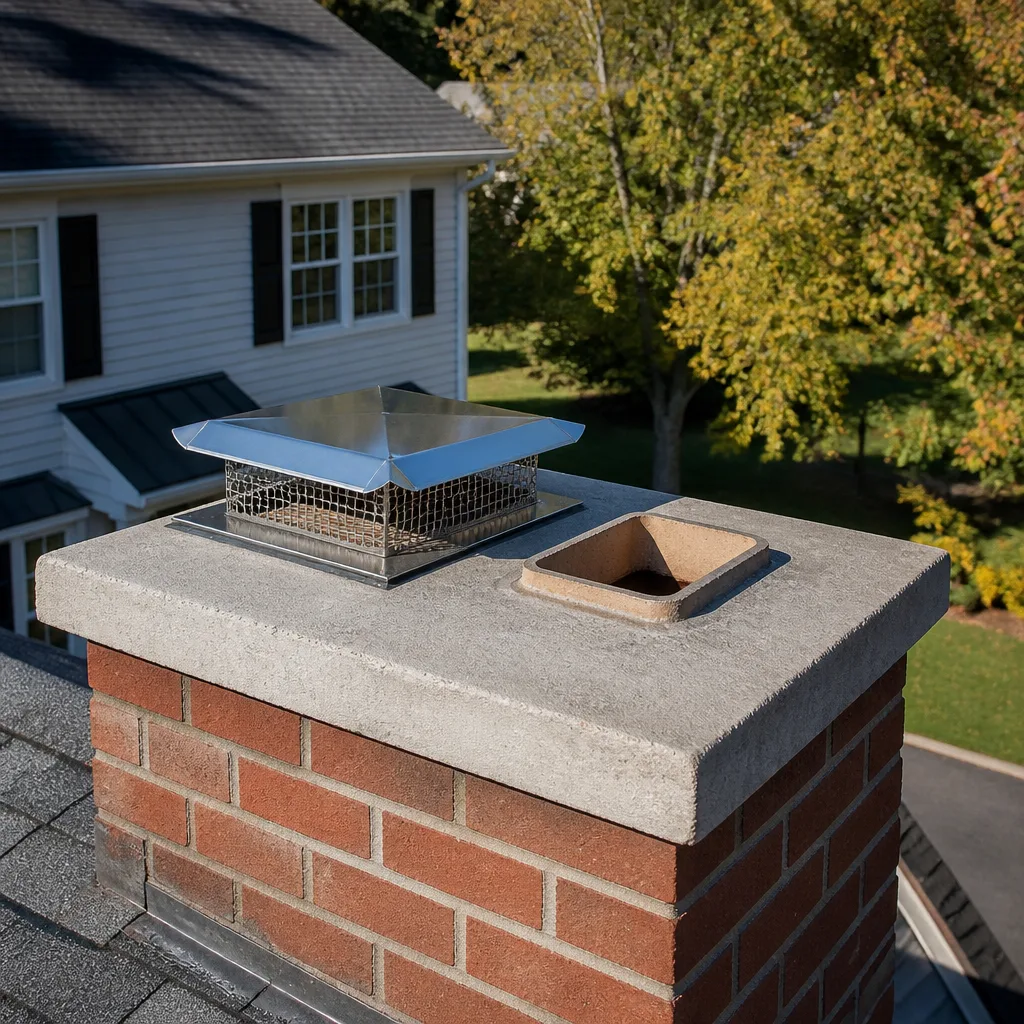 Sweep & inspection
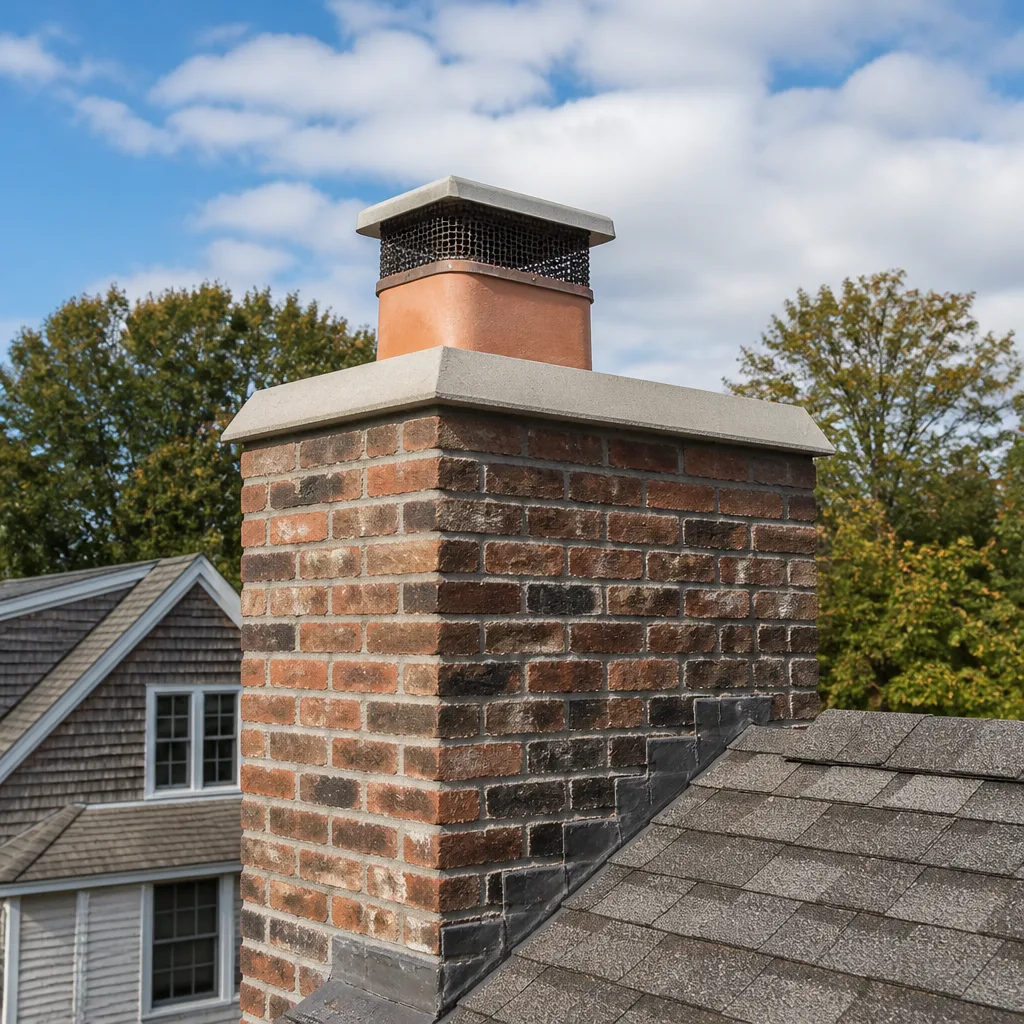 Caps & crowns
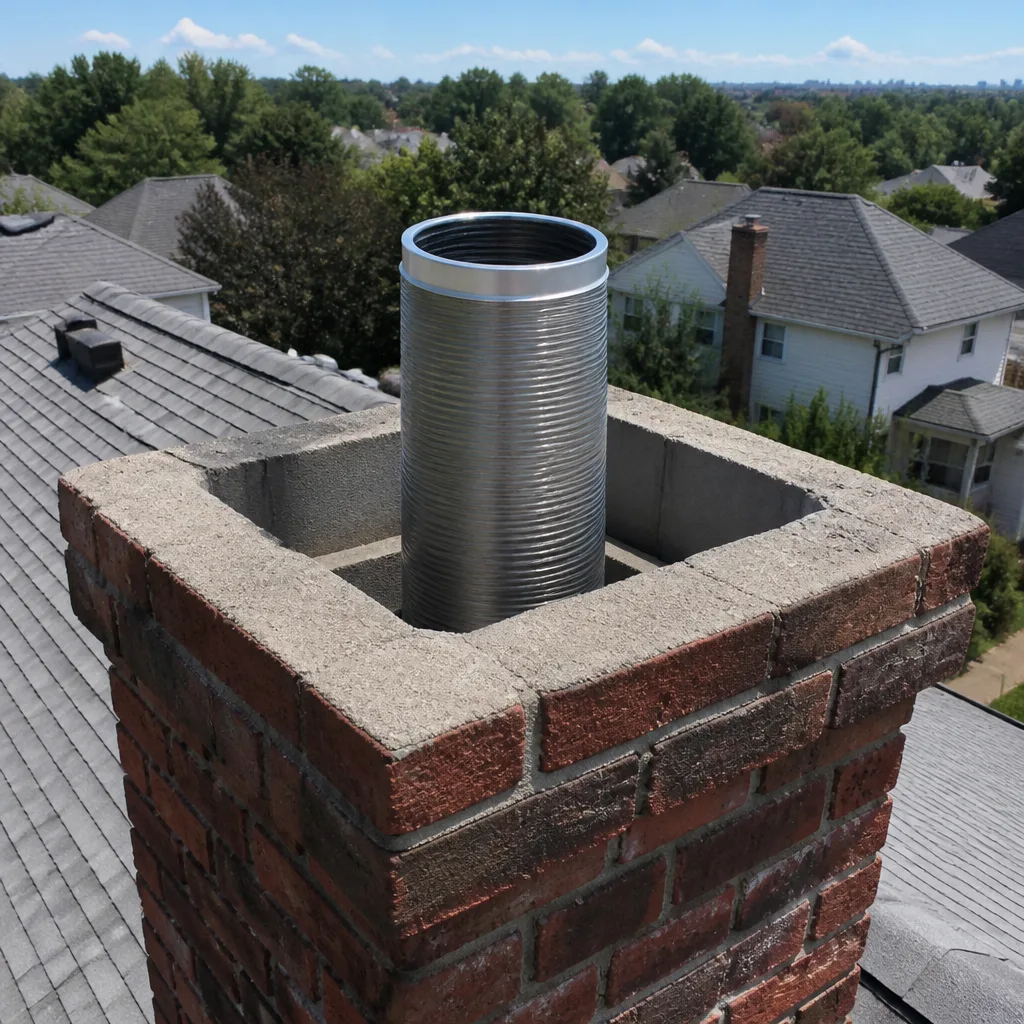 Flue relining
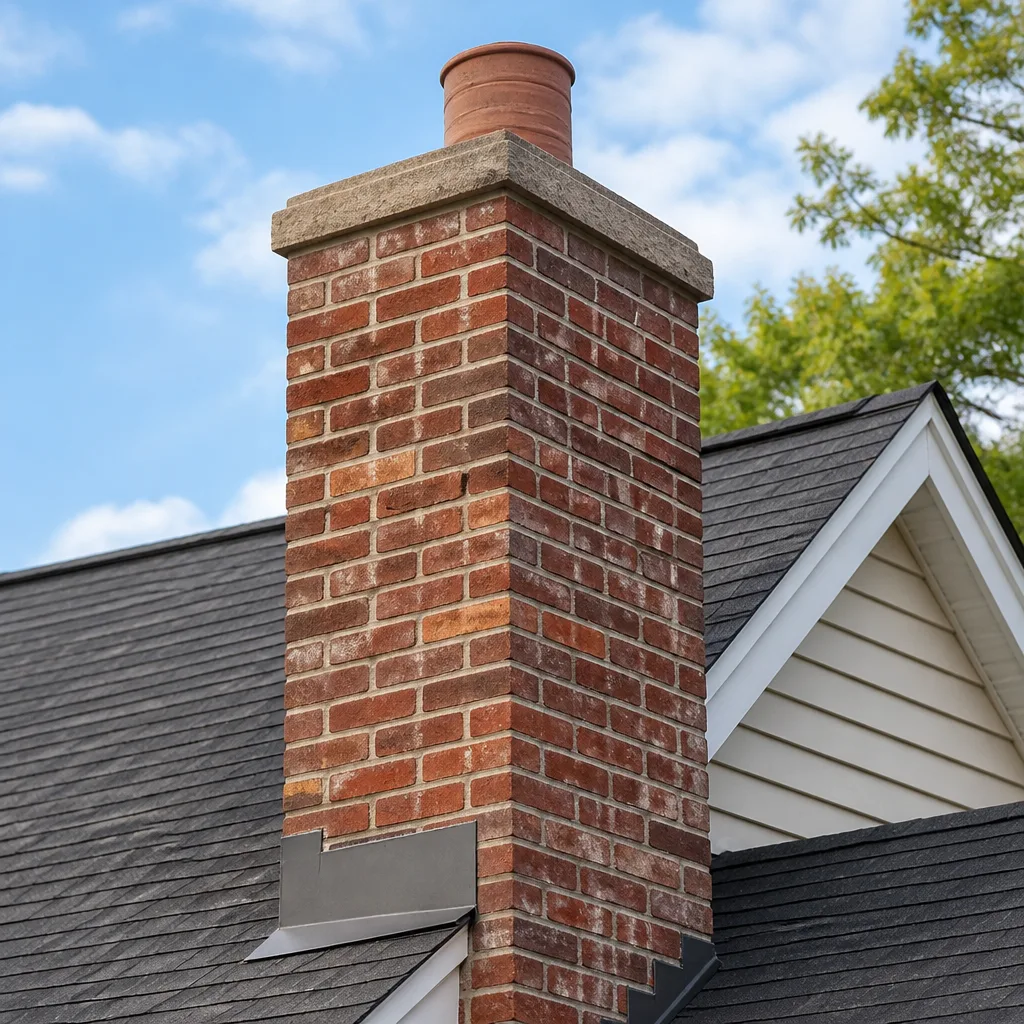 Masonry repair
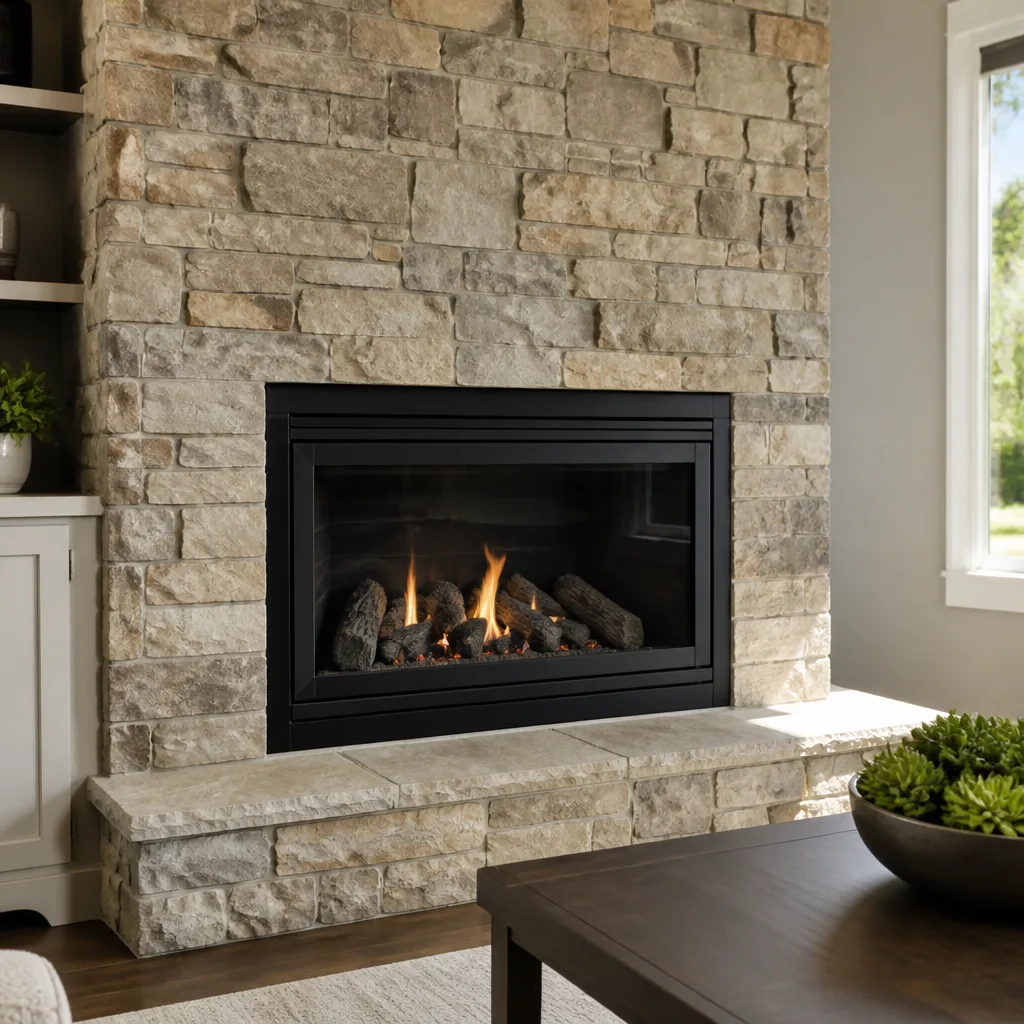 Gas fireplace service
Level 1 sweep and inspection to the NFPA 211 annual standard - flue, crown, cap, and flashing checked and photographed
Chimney sweep logs do not sweep chimneys. They loosen some creosote - which then falls where a brush and vacuum still have to collect it.
Chimney Cleaning Warning Signs: A Herriman Homeowner’s Reference Guide
A white stain on the outside of your chimney and a strong smoke smell in your living room are both warning signs, but they don’t carry the same weight. One means schedule a call. The other means don’t light another fire until someone has looked at it. Most chimney problems announce themselves long before they become emergencies, and the trick is knowing which symptom belongs in which bucket. In this guide, we sort the warning signs Herriman homeowners actually see into urgency tiers, explain what’s failing behind each one, and give you a clear stop-use threshold so you know when to close the damper and pick up the phone.
Quick Answer
Get your chimney swept and inspected once a year, and don’t use the fireplace if you see thick glazed creosote, cracked masonry on the firebox, smoke rolling back into the room, or a damper that won’t move. Exterior signs like efflorescence, small crown cracks, or worn mortar joints are usually a scheduling matter; interior signs like glaze, smoke rollout, or a stuck damper are a stop-use matter. When in doubt, an annual inspection at your Herriman home gives you a straight answer with camera evidence you can look at yourself.
Styles & brands we work with
- Sweep & inspection
- Caps & crowns
- Flue relining
- Masonry repair
- Gas fireplace service
Table of Contents
- How We Sort Chimney Warning Signs by Urgency
- Exterior Warning Signs: What the Brick and Crown Are Telling You
- Interior Warning Signs Inside the Firebox and Flue
- Behavioral Signs During a Fire: When the Draft Is Losing
- The Stop-Use Threshold: When Not to Light the Fireplace
- What Each Sign Actually Means Behind the Wall
- Why Herriman Weather Shapes Chimney Wear
- Common Mistakes to Avoid
- When to Call a Professional
- Frequently Asked Questions
- The Bottom Line
How We Sort Chimney Warning Signs by Urgency
Not every warning sign needs the same response. In our experience, the useful split is three tiers: cosmetic, schedule-soon, and stop-use. A hairline crack in the crown that hasn’t widened is cosmetic, worth watching and easy to fix at the next scheduled service. Efflorescence, worn mortar joints, or a missing cap are schedule-soon, meaning book a visit in the next month or so but keep using the fireplace with a watchful eye. Thick glazed creosote, masonry cracks on the firebox itself, smoke backing into the room, or a chimney that smells strongly when it’s cold outside are stop-use signs, meaning don’t burn until someone qualified has looked at the flue.
Herriman homes sit on the west bench of the Salt Lake Valley, where the climate swings hard from a dry, hot summer to a cold, snowy winter with freeze-thaw cycles that work on masonry year after year. That specific rhythm shapes which signs appear first and which are most likely to escalate. A small crown crack in April can become a real water path by October. The same rule applies to any house up here whether it’s a newer build or one of the older fireplaces inherited with a property.
Our approach is simple and we stand by it: diagnose first, then recommend. That’s why our service list leads with an inspection. We’d rather show you a photo of what’s there than tell you what usually needs doing.
The three tiers
- Watch: cosmetic signs that aren’t failing yet. Note them, mention them at the next annual visit.
- Schedule: structural wear that isn’t dangerous today but will be if ignored through a winter or two. Book a service call.
- Stop-use: signs that mean the chimney isn’t safe to burn in until someone qualified has assessed it.
Exterior Warning Signs: What the Brick and Crown Are Telling You
Walk outside and look at your chimney stack. It’s one of the easiest diagnostic checkpoints you have, and most homeowners never look. What you see from the ground can tell you a lot about what’s happening on the inside.
Spalling brick
Spalling is when the face of a brick flakes off and exposes the softer interior. It’s a schedule-soon sign, not a stop-use one, but it’s the classic clue that water is getting into the masonry and freezing. In Herriman, freeze-thaw is the culprit. The brick soaks up moisture from a rain or snow event, the temperature drops below freezing overnight, the water expands, and the brick face pops off. One or two spalled bricks are worth watching. A whole course of them means the chimney is losing its weather skin and needs attention before the next winter.
Efflorescence
Efflorescence is the white, chalky stain you sometimes see on the outside of a chimney. It’s salt drawn to the surface as moisture moves through the brick and evaporates. It’s a watch-tier sign because it always means water is moving through the masonry somewhere, but it does not mean the chimney is failing right now. The cause could be a missing cap, a cracked crown, or worn mortar joints. It’s a symptom, and the job is finding the source and sealing it, not painting over the stain.
Crown cracks
The crown is the concrete cap at the top of the chimney, and it’s the single most important piece of weather protection on a masonry chimney. A hairline crack is cosmetic in fair weather but becomes a real leak once Herriman snow starts melting into it. A crown with visible splits or a separated edge is a schedule-soon repair, usually best solved with a new crown. We install Gelco and Famco crowns because those brands are specified by chimney professionals for a proper fit, not a hardware-store slab.
Damaged flashing
Flashing is the metal that seals the joint between the chimney and the roof. When flashing pulls loose or rusts through, water gets into the roof deck, not just the chimney. Look for lifted metal, rust streaks on the shingles, or staining around the chimney base. Flashing repair usually belongs to a roofing specialist, and it’s often the one thing we’ll tell you to call a roofer for rather than fix ourselves.
Deteriorating mortar joints
Recessed or crumbling mortar between bricks is a schedule-soon sign. It’s the slowest of the exterior warning signs but also one of the most reliable indicators of a chimney that hasn’t had attention in a while. Repointing the joints restores the weather seal and, in older Herriman homes, gives a mason a chance to look for larger structural issues before they compound.
Interior Warning Signs Inside the Firebox and Flue
Now open the firebox door and look at the back wall. The inside of a chimney tells a more urgent story than the outside, because these are the signs closest to the actual fire.
Thick glazed creosote
You’ll know it when you see it. A normal dusting of creosote is brown and flaky. Glazed creosote is shiny, black, and glassy, sometimes with a bubbly or tar-like surface. This is the highest-risk form of creosote because it’s the most flammable stage, and it sticks hard to the flue wall so a standard brush doesn’t always take it off in one pass. Any visible glaze is a stop-use sign. It needs to be addressed before you burn again, and it may need a chemical treatment or a follow-up sweep, not just a quick brush-off.
Damaged damper
The damper is the metal plate that opens and closes the flue. If it won’t open fully, sticks halfway, or shows rust and warping, it’s a schedule-soon sign until the day it’s stuck in a bad position, at which point it becomes stop-use because you can’t control the fire’s air supply. A damper that won’t close also leaks heat out of the house year-round and lets cold air down the chimney when the fireplace isn’t lit.
Smoke rollout into the room
Smoke coming into the room when you light a fire is a stop-use sign. It can be caused by a blockage, an undersized flue, a negative-pressure problem in the house, or a closed damper, but none of those are diagnoses you can make from the hearth. Smoke rollout pushes carbon monoxide risk into your living space, and that’s the one symptom we’d rather you overreact to than shrug off.
Odor when the fireplace isn’t in use
A strong smoky smell in the house on a cold day when the fireplace is cold and empty is a schedule-soon sign. It usually means the flue is dirty enough that the smell of old creosote is being pulled back down by cold air, or that the chimney is missing a top-sealing cap. It’s not dangerous on its own, but it’s a clear signal the chimney is asking for attention.
Behavioral Signs During a Fire: When the Draft Is Losing
Sometimes the warning signs come not from looking at the chimney but from watching the fire behave. A healthy fire ignites quickly, drafts strongly, and burns with an even, bright flame. A fire that fights you is telling you something.
Slow ignition and hard starting
If you have to work at getting the kindling to light, and the paper and small wood smolder more than they catch, the chimney may not be pulling enough air. The usual suspects are a partially closed damper, a cold flue, or a partial blockage. Slow ignition on a chimney that used to light easily is a schedule-soon sign.
Poor draw and weak draft
You’ll notice this as smoke hanging in the firebox and drifting along the top of the opening, or the fire burning lazily and low. A chimney that drew well last winter and doesn’t now needs an inspection. Draft can also be affected by house tightness, exhaust fans running, or a range hood, but a genuine change in draft on the chimney side is worth ruling in or out with a camera inspection.
Excessive smoke
Excessive smoke isn’t just a draft problem. If you see more smoke than usual coming out the top of the chimney and it’s thick and dark, the fire isn’t getting enough air or the wood is wet. Wet wood is the most common cause of excess smoke in Herriman homes, but persistent smoke with dry wood is a schedule-soon sign that the flue needs a look.
Unusual odors
Beyond the cold-day smell, watch for a harsh, acrid, or chemical odor during a fire. That’s a stop-use sign because it can signal glazed creosote smoldering or a blocked flue forcing exhaust back into the house.
Sparks and popping
Some popping is normal with the wrong wood or a chimney with a missing cap screen, but unusual spark showers out the top of the chimney are a sign to have the flue checked. A cap with a proper screen, in our experience, cuts most of this down.
The Stop-Use Threshold: When Not to Light the Fireplace
Here is the straight answer many homeowners want and few get: certain conditions mean the fireplace should stay cold until a qualified technician has assessed it. This isn’t about being cautious for its own sake. It’s about the real risk profile of a chimney that can’t safely contain or vent a fire.
Stop using the fireplace if you see any of the following
- Smoke rolling back into the room when the fireplace is lit.
- Thick, glazed, or bubbly black creosote on the flue walls or firebox.
- Cracked or crumbling masonry inside the firebox or on the chimney itself.
- A damper that won’t open or is stuck partially closed.
- A harsh or chemical smell during a fire.
- Visible damage to the chimney that exposes the inner flue.
The reason for a clear threshold is chimney fires and carbon monoxide. A chimney fire is what happens when the creosote layer inside the flue ignites, and it can be silent and short-lived or loud and violent. Carbon monoxide is the invisible risk when the flue can’t vent properly and combustion gases come back into the living space. In either case, the hazards are real but they’re not the everyday reality of a chimney that’s burning clean and venting well. A stop-use sign means you don’t yet know which category your chimney falls into.
We mean it plainly: use the stop-use list above as the reason to call, not a reason to panic. A technician with a camera can tell you in minutes whether you’re looking at a repair or a piece of maintenance you can schedule. Call (866) 972-2258 to book that assessment. We answer 24/7. Fast dispatch from 7am to 7pm, Sunday through Friday.
What Each Sign Actually Means Behind the Wall
Knowing what a sign indicates changes the whole conversation. Instead of “get it checked,” you can understand which piece of the chimney is failing and why. Here’s the plain explanation behind each of the most common Herriman warning signs.
Spalling brick → saturated masonry
Spalling means water has been inside the brick itself, not just on the surface. It points to a failure somewhere above or beside the brick face, most often a cracked crown or damaged flashing. Repairing the brick without addressing the water source is wasted effort.
Efflorescence → active moisture path
Efflorescence is the trail, not the cause. The moisture has to be coming from somewhere: a crown, a cap, a joint, or a flashing detail. Finding the path is what an inspection does, and once it’s sealed the efflorescence stops appearing.
Crown cracks → water entering the flue
A crown crack lets water run down the inside of the chimney between the flue liner and the outer brick. It’s the quietest form of chimney damage because nothing shows on the inside until the flue liner cracks or the mortar between the liner tiles washes away. That’s why crown repair is a much cheaper conversation than the liner repair that follows a decade of neglect.
Glazed creosote → chimney-fire risk
Glazed creosote is the fuel a chimney fire burns. In our experience, the difference between a standard sweep and a full wire-brush plus chemical treatment is whether the glaze is thick enough to resist a normal brush. HeatShield ceramic resurfacing is sometimes the right fix when the liner behind the glaze has been damaged by prior heat, but the diagnosis comes first and the fix comes after the camera inspection.
Damaged damper → combustion control lost
The damper is your control over the fire’s air supply. When it fails, you can’t dial the fire up or down safely, and in the worst case you can’t shut off the chimney when the fire is out. Damper repair is straightforward once it’s diagnosed.
Smoke rollout → pressure or blockage
Smoke coming into the room means the chimney isn’t pulling the way it should. The cause could be a blockage, a flue sized for a different appliance, or a house that’s tight enough to fight the chimney for air. Each cause has a different fix, and the inspection is where that’s sorted out.
Odor when not lit → dirty flue or missing cap
A house that smells like a fireplace on a cold morning usually has a dirty flue and no top-sealing damper. The smell is old creosote and ash being pulled back down by cold air. A sweep and a proper cap from Gelco or Famco often clear the smell completely.
Why Herriman Weather Shapes Chimney Wear
Herriman sits at the west edge of the Salt Lake Valley, up against the Oquirrh foothills. That geography gives us a specific set of conditions that hit a chimney harder than a mild climate would. Long, cold winters with regular freeze-thaw cycles work on masonry. Dry, hot summers pull moisture out of brick and widen small cracks. Winter inversions trap cold air in the valley, and a cold, dense air mass sitting on top of the house can interfere with draft on a chimney that was fine two weeks ago. Spring wind coming off the bench carries grit and dust that finds its way into cracks and flashing details.
What this means in practice is that Herriman chimneys tend to show exterior wear earlier than chimneys in warmer, wetter climates, and they show damage from the same freeze-thaw pattern at a predictable pace. A crown that survived one winter fine in another climate may crack here after three. A flashing detail that was adequate on the plains can lift on this side of the valley where wind and snow load are different. The warning signs this guide covers are the same everywhere, but the order they show up in is shaped by where you live, and living in Herriman’s climate accelerates the exterior ones.
The other local factor is wood. Most Herriman homeowners burn what’s available, and local firewood from pine or softwoods can build creosote faster than a hardwood. That’s not a reason to stop burning what you have; it’s a reason to sweep annually rather than every other year. A routine sweep removes the creosote before it can glaze, and a chimney inspection catches everything else while it’s still in the slow category.
Common Mistakes to Avoid
- Treating efflorescence as a paint problem. Painting over the white stain hides the visible symptom but leaves the moisture path open, so the brick keeps absorbing water and the damage keeps moving. Seal the source first; the stain stops on its own.
- Assuming a missing cap isn’t urgent. A cap is one of the cheapest chimney components there is, and one of the most important in Herriman’s snow and wind. Without a cap, rain, snow, birds, and debris find their way down the flue, and the draft suffers every time.
- Burning wet wood to save money. Wet wood is the fastest way to build glazed creosote, and creosote is the fuel for a chimney fire. Seasoned wood burns hotter, smokes less, and leaves far less deposit on the flue walls.
- Ignoring the cold-day smell. A smoky smell in an empty house on a winter morning usually means the flue is ready for a sweep or the chimney is missing a top-sealing cap. Both are inexpensive, and both are much better caught now than after a draft problem shows up mid-fire.
- Skipping the annual sweep because “we didn’t burn much.” A few fires a winter still deposit creosote, and in Herriman’s cold months the firebox often runs harder than the owner remembers. A yearly sweep is a small cost compared to a liner repair.
- Letting a “handyman” with a brush handle chimney work. Chimney cleaning is only half the job. The value of a proper visit is what gets found on the inspection side, and that requires the diagnostic tools a sweep-only operator may not have.
- Burning through a stop-use sign. A stuck damper, a crack in the firebox, or glazed creosote are the conditions where the fireplace stays cold until a qualified technician looks at it. Waiting one more fire is a risk with no upside.
When to Call a Professional
Call a professional for your Herriman Chimney Sweep visit in these cases: any sign on the stop-use list above; a fire that smokes into the room, refuses to draw, or smells harsh; visible crown or masonry damage you can see from the ground; a damper that sticks or won’t close; a chimney that hasn’t been swept in more than a year; a fireplace inherited with a home whose history you don’t know; or an annual inspection that’s simply overdue. If you’re unsure which category your symptom belongs to, that uncertainty is itself a reason to call, because a technician can settle it in one visit. Our chimney sweep service includes a camera inspection and a photo report, so you see what we see. Herriman Chimney Sweep offers a full scope that runs from sweep to fireplace repair and full chimney repair, so you don’t need a second contractor to finish a job. Estimates are free, and the price is set per job by the written estimate. Call (866) 972-2258 and we’ll book you in. Our technicians have up to 12 years of experience. We answer 24/7, and dispatch runs 7am to 7pm, Sunday through Friday.
Frequently Asked Questions
The most common warning signs we see in Herriman are white efflorescence on the exterior brick, small crown cracks, glazed creosote in the flue, and a smoky smell inside the house on cold mornings when the fireplace isn’t lit. Exterior signs tend to show up first here because of the freeze-thaw cycle, and interior signs tend to appear after a winter of heavy burning. Call (866) 972-2258 for an exact quote on an inspection; estimates are free.
Chimney sweep pricing in Herriman varies with the flue size, the creosote level, and whether any repair work is needed, and we don’t publish a fixed number because every chimney is different. What we can promise is a written estimate before anyone starts, so you know what you’re approving. The price is set per job by the estimate and there are no surprise add-ons. Call (866) 972-2258 for an exact quote; estimates are free.
Only if the camera inspection shows your existing liner is cracked, missing sections, or too damaged by creosote and heat to safely contain a fire. A cracked clay tile liner is a real problem because it lets combustion gases into the chimney structure and ultimately into the house. In our experience, plenty of chimneys get a liner recommendation they don’t need from companies that default to the upsell, and plenty of them also get told they’re fine when they aren’t. We show you the footage and you decide with us. HeatShield ceramic resurfacing is sometimes a better and less invasive fix than a full reline for a damaged but repairable masonry liner, and we’re certified to apply it. Call (866) 972-2258 for an exact quote; estimates are free.
Once a year for most homes. Herriman winters are cold enough and long enough that the firebox runs regularly from November into March, and that pace builds up enough creosote to justify a yearly sweep. Homes burning softwood, burning the same fireplace heavily, or using their fireplace as supplemental heat should stick to the annual schedule without exception. Call (866) 972-2258 for an exact quote; estimates are free.
Creosote builds up inside the flue in layers, and at a certain point it moves from flaky to glazed and becomes the most flammable form. At the same time, small crown cracks and worn mortar joints on the outside let in water that freezes and widens them. The short version is that a house skipping a few years of sweeps usually ends up paying for a liner repair or masonry work instead of a sweep. Neither is a certainty, but the pattern is common enough that we plan for it. Call (866) 972-2258 for an exact quote; estimates are free.
Looking up the flue is a reasonable first step and something every homeowner should do before the first fire of the season. It won’t tell you whether the flue liner is cracked, whether the crown is failing, or whether there’s a hidden obstruction deeper in. A professional inspection uses a camera and light, plus a top-down look, and reports back with photos so you can verify the diagnosis rather than take it on faith. A chimney inspection is the core of what we do, so call (866) 972-2258 for an exact quote; estimates are free.
The Bottom Line
Chimney warning signs sort into three tiers: watch, schedule, and stop-use. Most of what you see on the outside of a Herriman chimney falls into the first two, and those are usually a scheduling matter, often tied to crown cracks, efflorescence, or worn mortar joints that follow our freeze-thaw cycle. What you see and feel on the inside is the urgent tier. Glazed creosote, cracked firebox masonry, smoke rollout, a stuck damper, or a harsh smell during a fire are stop-use signs. Don’t burn until someone has looked at the flue. At Herriman Chimney Sweep, we inspect first and recommend second, using professional-grade materials including DuraFlex liners, HeatShield ceramic resurfacing, and caps and crowns from Gelco and Famco, all drawn from the same supply lines chimney specialists have used for years. If you’re not sure which category your chimney falls into, that’s the right reason to call.
Contact
If you’d rather have a straight answer than guess, call Herriman Chimney Sweep at (866) 972-2258 for a free estimate. We’ll send a technician with a camera, show you what’s there, and tell you plainly whether you’re looking at something you can schedule out or something that needs a stop-use call. We answer 24/7, and fast dispatch from 7am to 7pm runs Sunday through Friday. Estimates are free and the price is set per job by the written estimate. Call today and we’ll book your visit.
Written by the team at Herriman Chimney Sweep.
See the difference
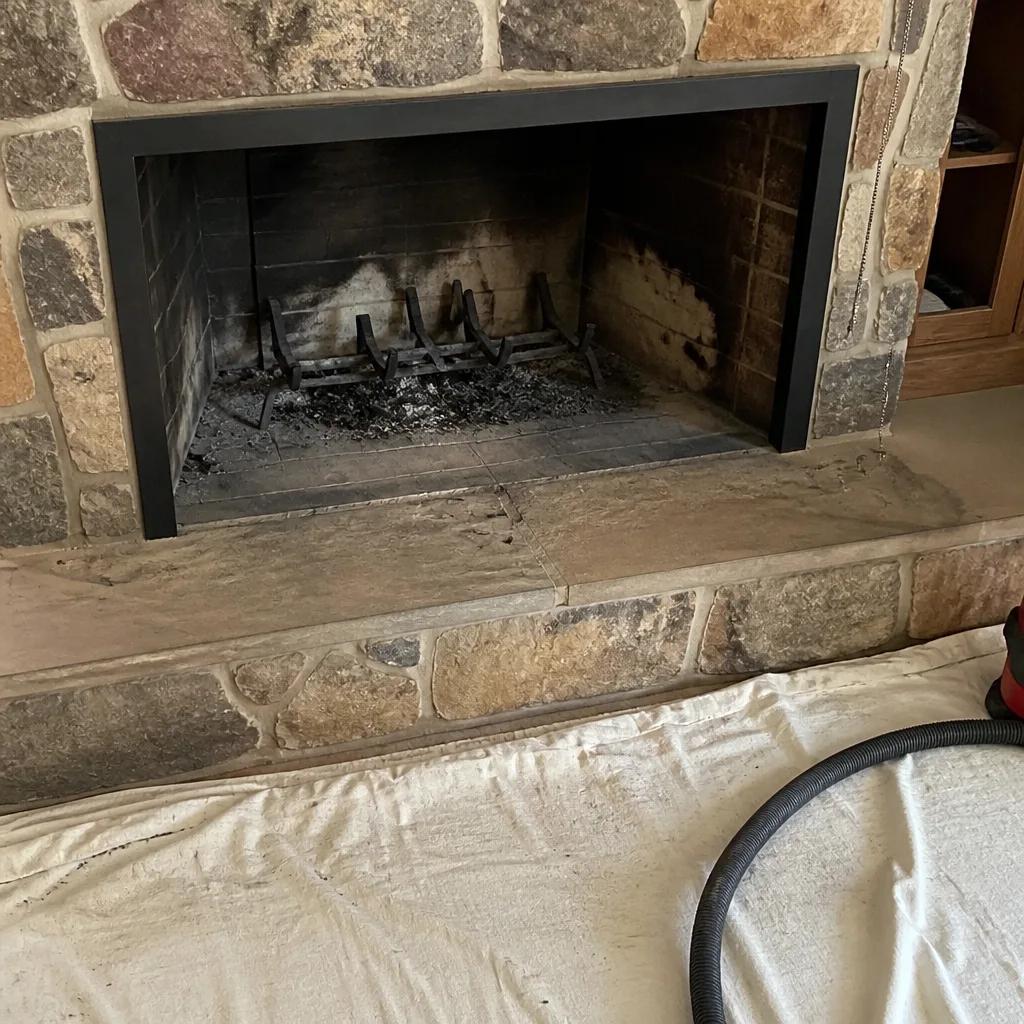 Before
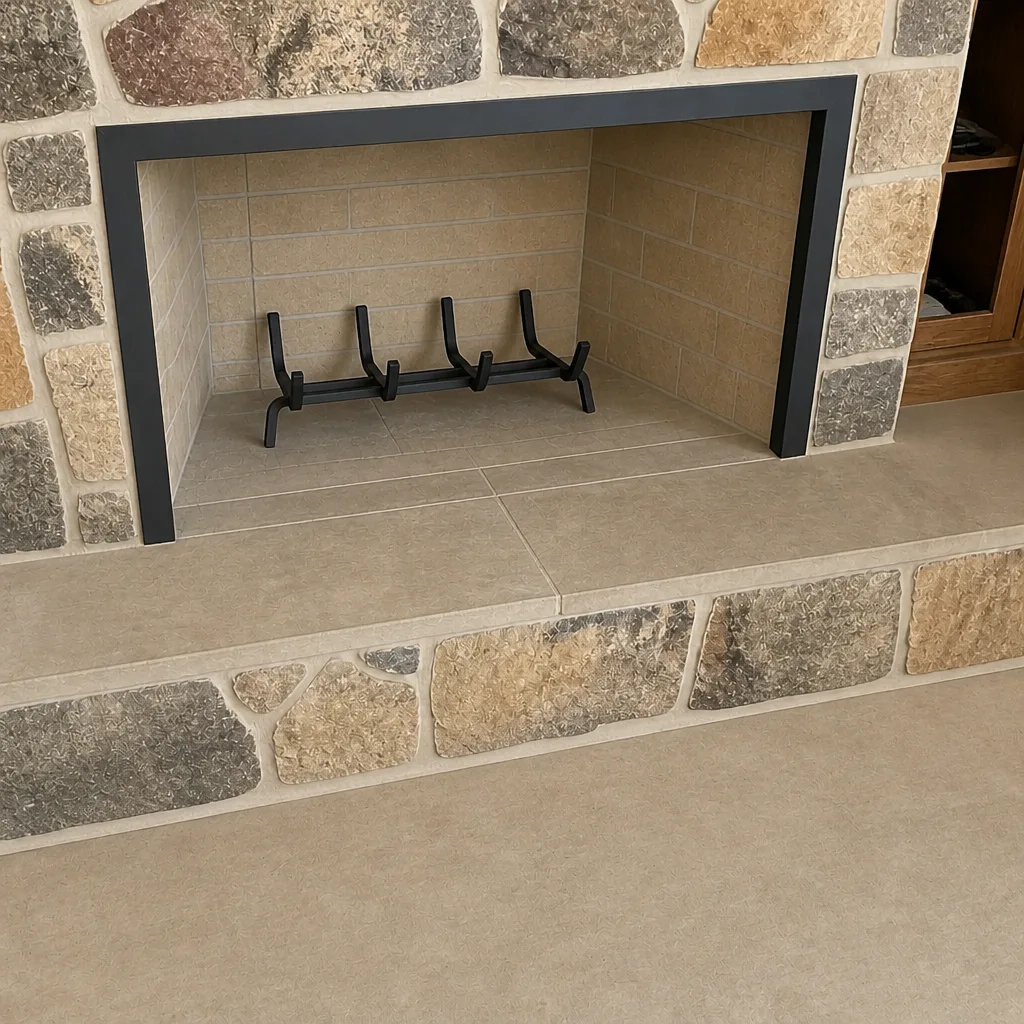 After
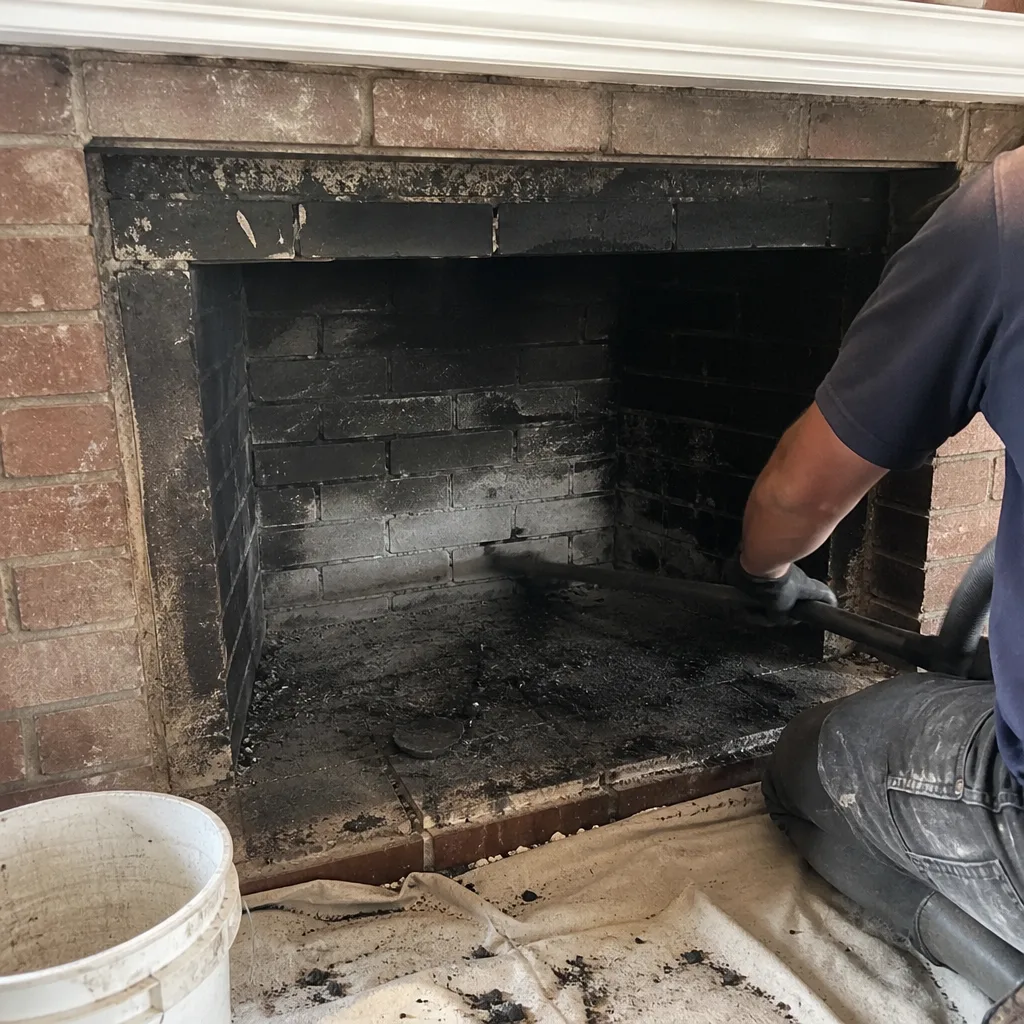 Before
 After
 Before
 After