
Last updated November 24, 2026
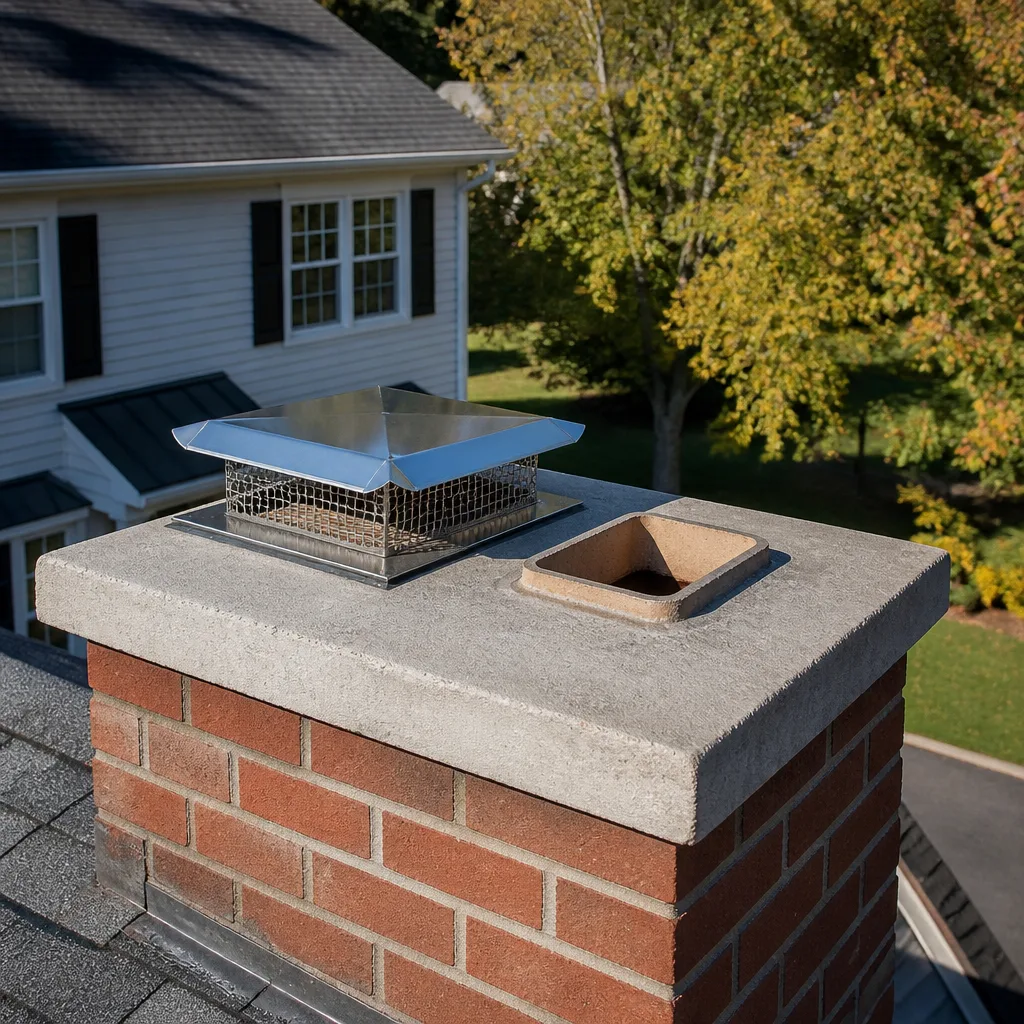 Sweep & inspection
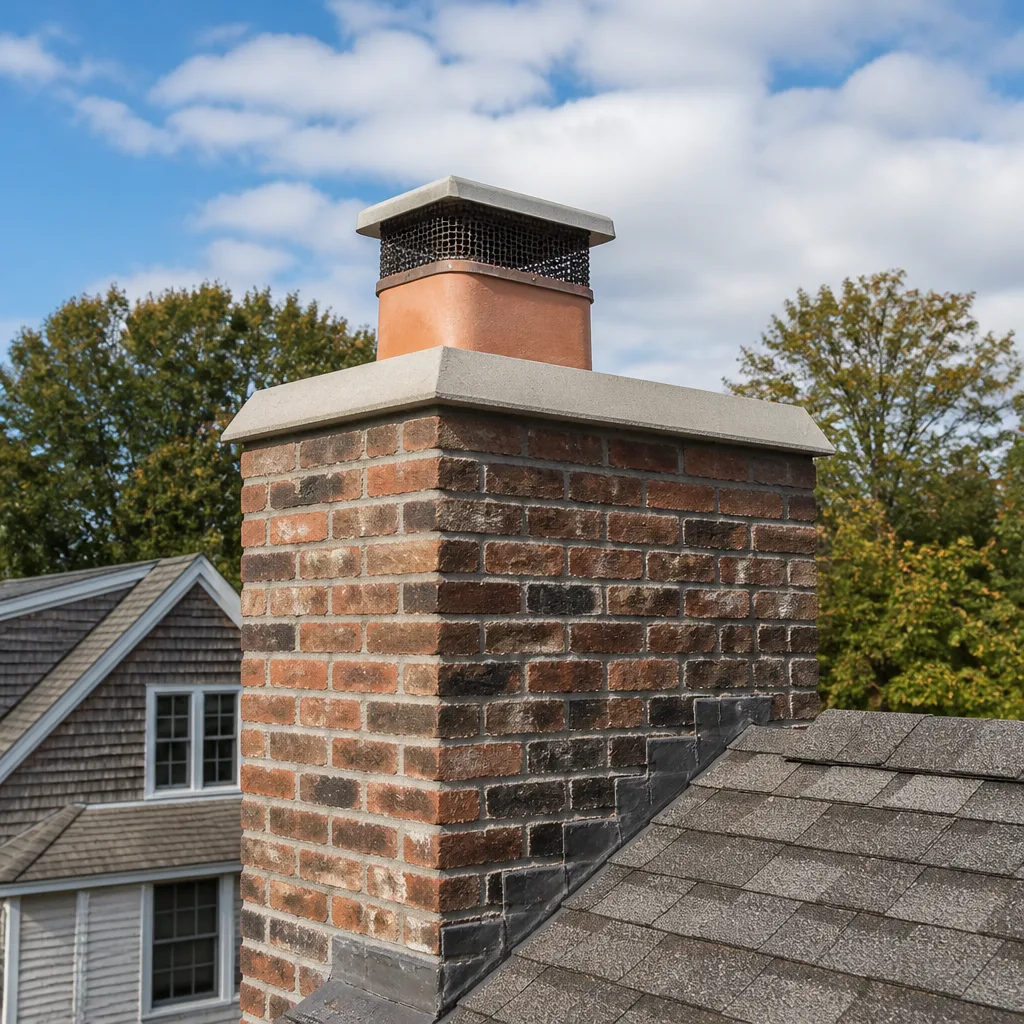 Caps & crowns
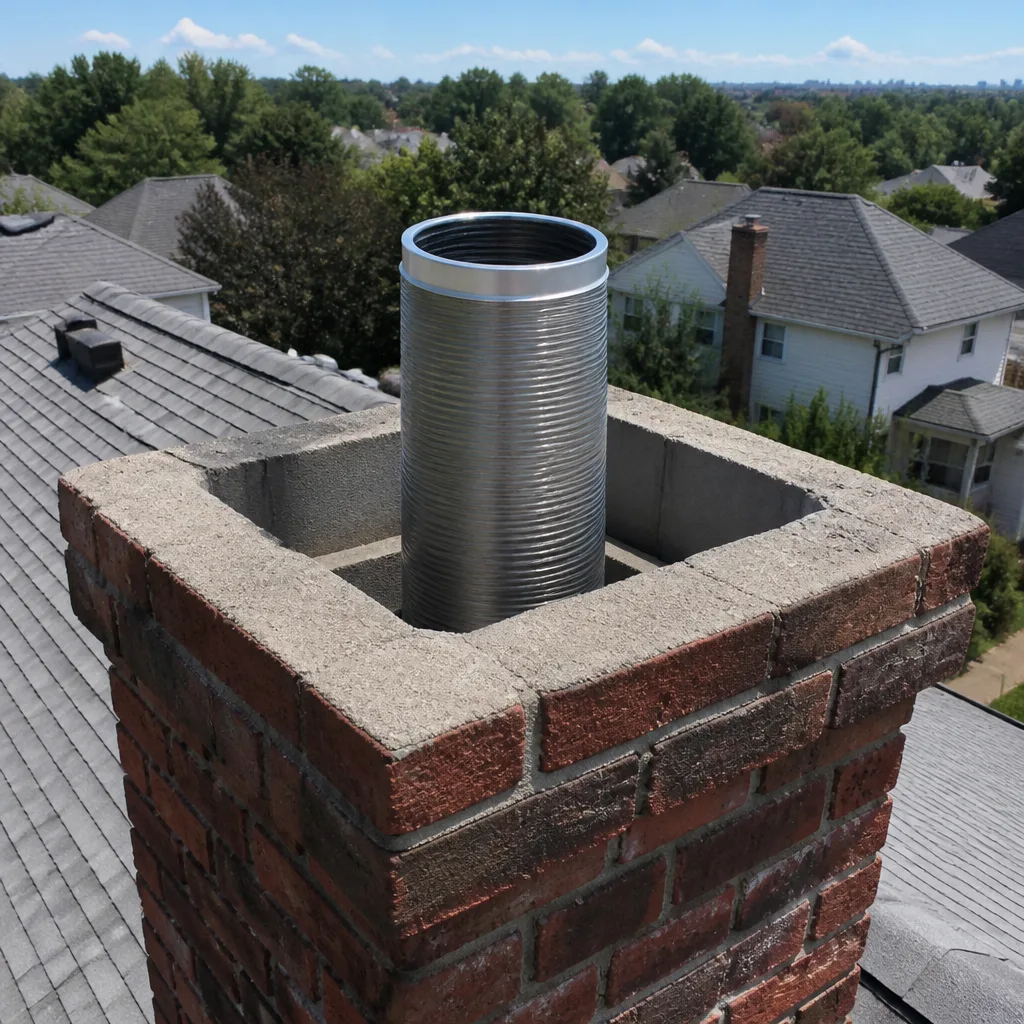 Flue relining
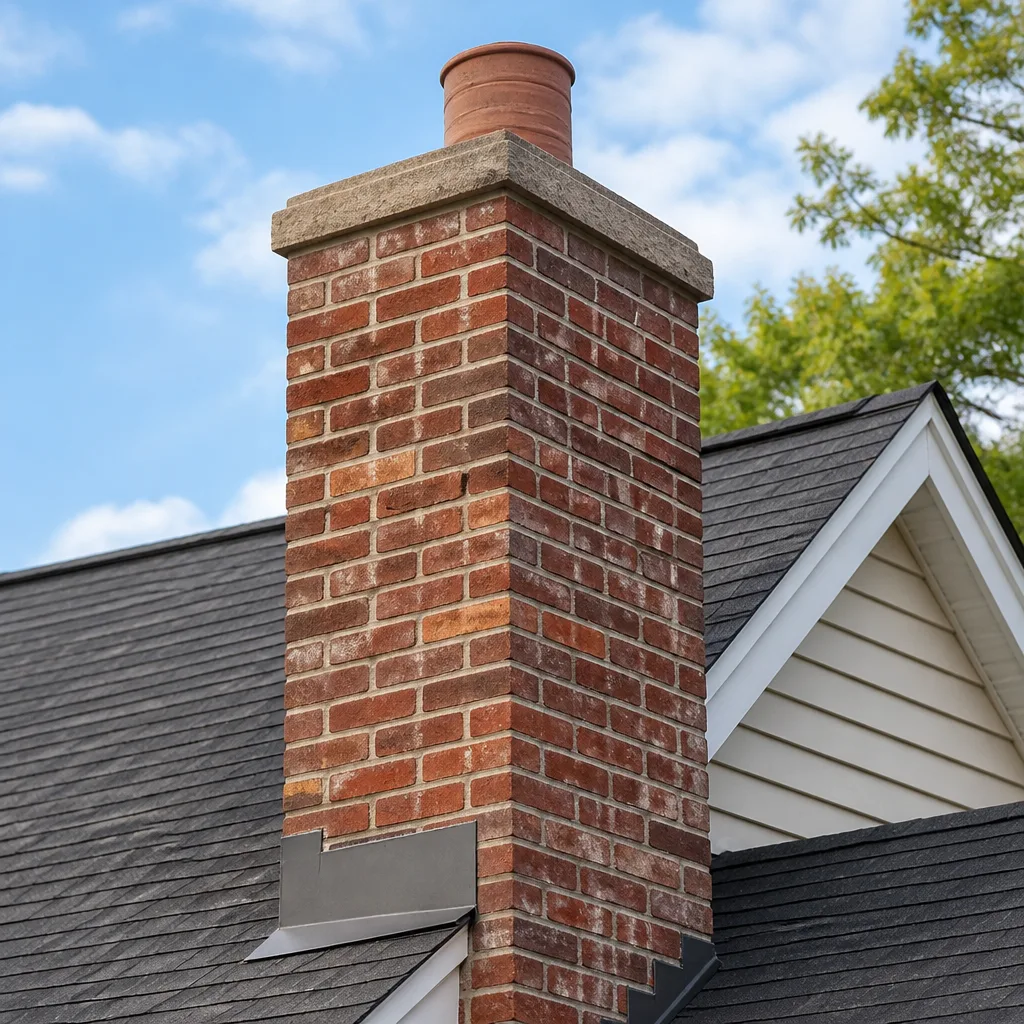 Masonry repair
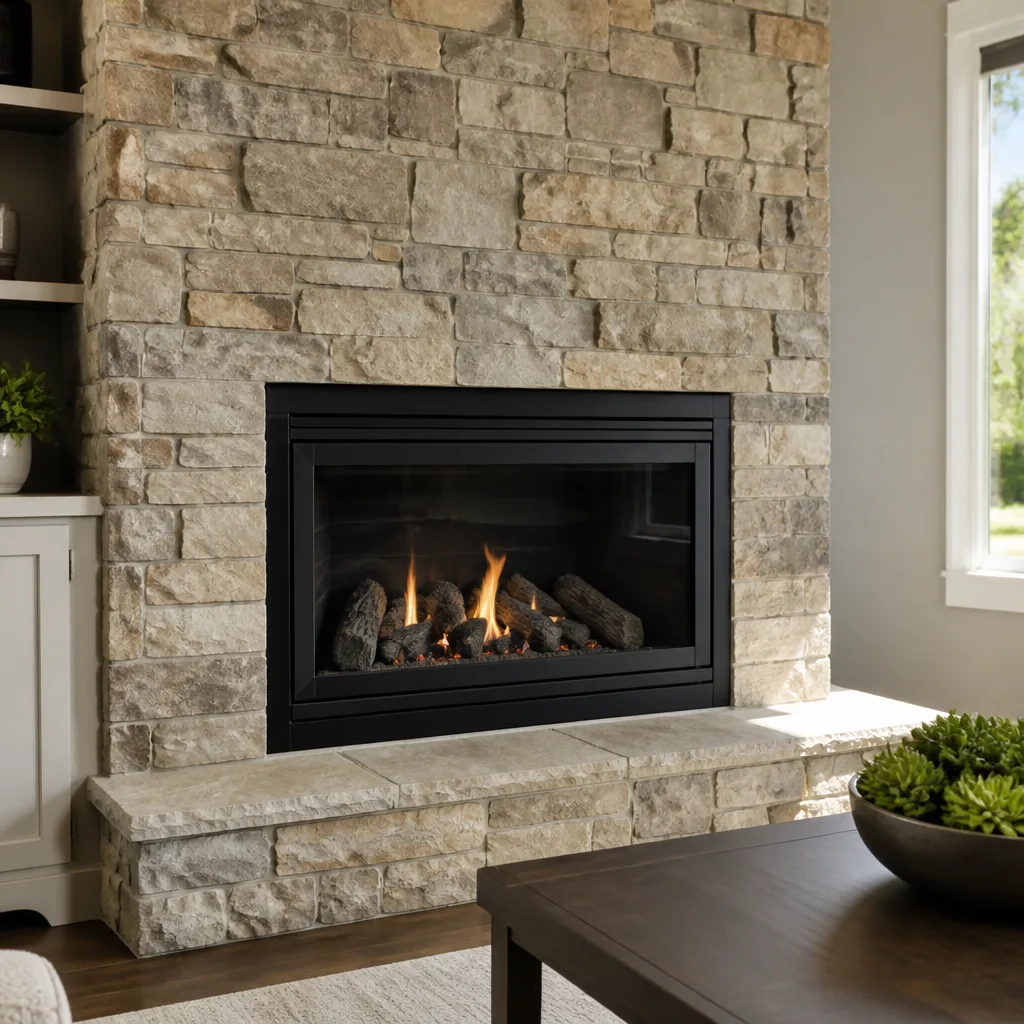 Gas fireplace service
Level 1 sweep and inspection to the NFPA 211 annual standard - flue, crown, cap, and flashing checked and photographed
Chimney sweep logs do not sweep chimneys. They loosen some creosote - which then falls where a brush and vacuum still have to collect it.
DIY vs Professional Chimney Cleaning: The Herriman Homeowner’s Decision Guide
You can buy the same brushes a sweep uses at a hardware store, and plenty of Herriman homeowners do exactly that every fall. The brush isn’t the difference. The difference is a professional knows what they’re seeing when they look inside the flue. A homeowner cleaning around a hidden Stage 3 creosote deposit has just scrubbed the surface clean and made the real problem harder to find, which is the opposite of what a chimney needs going into a Herriman winter. This guide lays out what DIY brushing actually accomplishes, what it can’t touch, and a practical framework for deciding which route fits your fireplace this season.
Quick Answer
DIY chimney brushing is reasonable when your flue has only light soot and Stage 1 creosote, you’ve had a professional inspection within the last year or two, and your cap, crown, and liner are known to be in good shape. It is not a substitute for professional cleaning or inspection once creosote has glazed, once years have passed since anyone looked inside the flue, or once you notice smoke, odor, or draft problems. For most Herriman homes that burn regularly, a professional chimney sweep that includes an inspection is the safer call because someone who cleans chimneys every day is looking at condition, not just soot.
Styles & brands we work with
- Sweep & inspection
- Caps & crowns
- Flue relining
- Masonry repair
- Gas fireplace service
Table of Contents
- What DIY Chimney Brushing Actually Accomplishes
- What DIY Cleaning Cannot Address
- The Equipment Gap: Rotary Systems and HEPA Vacuums
- The Three Stages of Creosote and Why They Matter Here
- Herriman Scenarios: When DIY Is Reasonable and When It’s Risky
- A Practical Decision Framework
- How a Professional Sweep Works, Step by Step
- The Real Limits of a Hardware-Store Brush
What DIY Chimney Brushing Actually Accomplishes
A homeowner with a brush, rods, and a shop vacuum can genuinely remove light soot and Stage 1 creosote from the accessible sections of a flue. That’s a real result, and it’s worth being honest about: a diligent DIY cleaning on a well-maintained fireplace removes surface buildup and keeps the flue from accumulating a heavy soot layer between professional visits.
What it realistically gets you in a Herriman home:
- Surface soot removal from the firebox, the smoke shelf, and the lower flue you can reach with rods.
- Stage 1 creosote, which is flaky, dusty, and comes off with brushing.
- Visual clearance of the firebox and damper area so you can see obvious debris, fallen mortar, or a bird nest.
- Routine upkeep during a season when the fire ran lightly and the flue stayed relatively clean.
That’s the honest ceiling for a brush-and-vacuum approach. It handles the top layer of a working chimney that was already in decent condition. It does not tell you whether the liner is intact, whether the smoke chamber has filled with glazed deposits, whether the crown is cracking, or whether the cap screen has rusted through. Those are the questions that actually decide whether your fireplace is safe to burn this winter in Herriman, where the burn season is long and the outside temperature swings are wide.
We hear from homeowners who brush their own flue every year and feel confident about it. The brush did what it was supposed to do. The concern is what it missed, and you can’t look at your own flue from inside of it.
What DIY Cleaning Cannot Address
The list of things a homeowner brush cannot touch is longer than the list of things it can. Here’s where DIY runs out.
- Stage 2 and Stage 3 creosote. Stage 2 is a hardened, crusty deposit that resists a standard brush. Stage 3 is the glazed, shiny, tar-like layer that only a rotary cleaning system with the right heads will break down. A hand brush slides over Stage 3 and can polish it, which makes the deposit look thinner without removing it.
- Liner condition. You can’t inspect the interior walls of a clay tile flue or a metal liner with a brush and a flashlight from below. A camera gives a full-length view of every joint, crack, and gap.
- Smoke chamber buildup. The smoke chamber above the damper has corbelled masonry that collects deposits in a way the flue itself doesn’t. Left to build up, it restricts draft and puts more heat load on the surrounding structure than the chimney was designed for.
- Structural defects. Cracked tile joints, spalled masonry, and gaps between the flue and the surrounding brickwork are all inspection findings, not cleaning findings.
- Cap and crown issues. A failing cap lets water and animals into the flue. A cracked crown lets water into the masonry from above and doesn’t show up from the firebox at all.
The pattern here is consistent: brushing removes what brushing can remove, and it says nothing about condition. For a homeowner in Herriman with an older fireplace, an inherited fireplace from a previous owner, or a fireplace that’s been burned hard for several seasons, the condition questions are the ones that matter most.
The Equipment Gap: Rotary Systems and HEPA Vacuums
Two pieces of equipment separate a professional sweep from a hardware-store brush kit: a rotary cleaning system and a HEPA vacuum. Neither is a luxury, and the reason is practical.
Why a rotary cleaning system matters
A rotary system uses a spinning head on a flexible rod, driven by a drill, that contacts the flue walls at speed and under pressure. That’s what breaks down Stage 2 and most Stage 3 creosote. A hand brush with rods applies pressure with your arms, which is fine for Stage 1 and frustrating against anything harder. Rotary systems also come with different heads for different liner materials, so the cleaning is sized to the flue rather than forced.
Why a HEPA vacuum matters
Chimney soot is fine, sticky, and gets into every surface in the room. A shop vacuum with a standard filter pushes the finest particles back into the air, which is the last thing you want over furniture, carpets, or a child’s bedroom on the other side of a wall. A professional HEPA vacuum captures those particles at the source. That’s the reason professional sweeps set up drop cloths and run suction during the entire cleaning, and it’s the reason DIY cleanings leave a fine gray dust film in the room even after a good vacuum.
Combine those two pieces of equipment and you get a cleaning that reaches everything the brush reaches plus everything it can’t, without spreading soot into the home. That’s the equipment gap in one sentence. It’s also the reason a professional sweep in Herriman is more than a brush on the end of a stick.
The Three Stages of Creosote and Why They Matter Here
Creosote forms when wood smoke cools on the flue walls. The stage it reaches depends on what you burn, how hot the fire runs, and how much air the flue pulls. Herriman’s cold winter nights and high-altitude dryness produce plenty of cool-flue conditions, and those conditions are what build the harder stages.
- Stage 1: Soot and flaky creosote. Dusty, comes off with a brush, and is what DIY cleaning realistically handles. Normal buildup between professional visits.
- Stage 2: Hardened creosote. Crusty and stuck to the flue wall. A hand brush skates over it. A rotary system breaks it down. This is where DIY starts to make the problem worse rather than better, because the surface looks clean while the deposit is still there.
- Stage 3: Glazed creosote. Shiny, tarlike, and highly concentrated. The most flammable stage, and the most damaging to a clay tile liner. Stage 3 requires a rotary system and, depending on the depth of the buildup, may need a chemical treatment to soften it before cleaning.
The point of naming the stages is to give you a decision tool. If your flue has only Stage 1, DIY is a defensible choice. If you’ve seen crusty or shiny deposits with a flashlight from the firebox, that’s your signal to have a professional look. Once Stage 3 is present, DIY cleaning can polish the surface and hide the deposit, which makes it harder for the next inspection to see how much is really there.
We often find Stage 2 and Stage 3 creosote in Herriman homes after a few seasons of unseasoned wood or a firebox that was burned cool and slow. The homeowner brushed the flue every year. The flue still accumulated. That’s not the homeowner’s fault; it’s what creosote does.
Herriman Scenarios: When DIY Is Reasonable and When It’s Risky
Herriman covers a range of housing. Newer builds in the surrounding subdivisions tend to have metal liners and factory-built fireplaces. Older homes closer to the historic core have masonry chimneys that have seen more seasons. A gas insert behaves differently from an open wood fireplace. The scenario matters as much as the deposit stage.
Where DIY is reasonable
- You have a newer factory-built fireplace with a metal liner and a professional inspection within the last year or two. Light soot buildup between inspections is a reasonable DIY task.
- You burn a few fires a season and the flue stays mostly clean. A yearly brush-through is honest upkeep.
- You have a gas insert and only need the glass, firebox, and vent area cleaned. Gas fireplaces don’t produce creosote the way wood does, and the DIY scope is narrower and safer.
- You’ve seen a professional inspection report that notes Stage 1 only, no liner defects, cap and crown intact, and recommends a clean in a certain timeframe. You know the baseline; DIY maintains it.
Where DIY is genuinely risky
- You’ve never had an inspection or it’s been several years. You don’t know what you’re cleaning around, and confidence isn’t the same as information.
- The fireplace came with the house. An inherited fireplace has a history you can’t see. A camera inspection is the only way to know the liner is intact before you use it again.
- You notice smoke coming back into the room, a strong creosote smell on warm days, or a fire that’s harder to start than it used to be. Those are draft and buildup signals, not cleaning signals.
- You have a masonry chimney with clay tile and it’s had years of heavy use. Rotary cleaning and a camera are the only way to know the liner condition.
- You see shiny or crusty deposits on the flue walls from the firebox. Stage 2 and Stage 3 need a professional.
Herriman’s burn season runs long enough that most homeowners here log real hours on the fireplace. That real usage is exactly what makes the “wait until next year” approach cost more than it saves.
A Practical Decision Framework
Use three criteria, in order. Frequency, inspection history, and what you can see. Each one either clears DIY or routes you to a professional. Run through them before you buy a brush.
- Frequency. How many cords of wood did you burn last season, and how often did the fire run? A cord or more per season is on the higher side for a residential fireplace. More usage, more often calls for professional cleaning and inspection. A few fires a month in the colder months is a lighter load.
- Inspection history. When was the last time a professional looked inside your flue with a camera? If you can’t answer, DIY is the wrong starting point. Get an inspection first. It gives you the baseline that makes DIY defensible later.
- Visible deposit characteristics. Use a flashlight from the firebox and look up. Flaky and black is Stage 1. Crusty and textured is Stage 2. Shiny and tarlike is Stage 3. Stage 1 is DIY-friendly. Stage 2 and 3 are not.
If all three clear DIY, brush the flue, then book a professional inspection in a reasonable timeframe to confirm you haven’t missed anything. If any one of the three routes you to a professional, book a professional. The inspection-first approach is the reason we lead our service list with chimney inspection rather than sweeping: the recommendation should follow what’s actually in the flue, not the same default service on every visit.
Homeowners with a gas fireplace in Herriman sometimes ask whether the same framework applies. It doesn’t. Gas inserts don’t build creosote, and the maintenance needs are different. The frequency and inspection questions still matter; the deposit-stage question doesn’t.
How a Professional Sweep Works, Step by Step
Knowing what a professional sweep actually does helps you see why the DIY ceiling is where it is. The steps are consistent, and every one of them addresses something a homeowner brush can’t.
- Set up the work area. Drop cloths over the hearth and surrounding floor, HEPA vacuum running before the first brush touches the flue.
- Inspect before cleaning. Camera into the flue, check the cap, crown, and damper, look at the smoke chamber. Diagnosis happens before the cleaning so the cleaning is sized to what’s found.
- Clean the firebox, smoke chamber, and flue. Rotary system sized to the liner material, hand brushes on the reachable sections, HEPA vacuum capturing everything.
- Re-inspect after cleaning. The camera goes back in. This is where small cracks or gaps that were hidden under soot show up, and where a liner that looked fine before the clean gets a real verdict.
- Report the findings. Photo report of the flue, the cap, the crown, and any defects. Plain language on what needs attention now, what can wait, and what to watch.
- Handle the repair if needed. If a cap is missing, a crown is cracked, or the liner needs relining, a full-scope chimney company can quote the fix in the same visit. A reline with a DuraFlex liner system, a crown rebuild with Gelco or Famco products, or a cap installation are all within the scope of a proper chimney specialist.
The “inspect before recommend” sequence is the part most homeowners appreciate. It means the answer to “do I need this” is whatever the camera shows, not whatever the schedule says. When the flue is genuinely fine, that’s the answer you get.
Herriman Chimney Sweep performs all five service categories: chimney sweep, chimney repair, fireplace repair, chimney inspection, and cap and crown work. That means a sweep that turns up a problem doesn’t send you to a second contractor. We can quote and complete the repair ourselves using the same materials chimney specialists specify: Olympia Chimney Supply and Copperfield for wholesale trade supply, DuraFlex for relining, Famco for caps and crowns.
The Real Limits of a Hardware-Store Brush
It’s worth being specific about the brush itself. Hardware-store chimney brushes are real brushes. They work on the sections they reach. The problem is everything they can’t reach and everything that’s sized wrong for the flue.
- Reach. A standard DIY rod kit covers up to about 15 to 20 feet depending on the model. A chimney in a Herriman two-story home can run longer than that, and the upper flue is exactly where heavy creosote typically forms.
- Size. Brushes are sized to the flue. A brush that’s too small leaves wall bypass; too large and it either won’t fit or forces the flue. A professional kit comes with the right head for every flue in a house.
- Material match. Metal liners, clay tile liners, and stainless steel flexible liners each want a different cleaning approach. A brush that’s fine on a clay tile can damage a metal liner if forced.
- Deposit hardness. Even a well-sized brush is a hand tool. Stage 2 and Stage 3 creosote need a spinning head to come off.
- Vacuum capture. No dust containment system at the firebox means soot spreads into the room while you clean.
- No verdict. The brush has nothing to say about the condition of the flue, the crown, the cap, or the liner. It can’t tell you a thing about what it just cleaned around.
None of this is a knock on homeowners who brush between professional visits. It’s just the honest boundary of the tool. A brush is useful for maintenance inside a known baseline. It’s not a substitute for fireplace repair or chimney inspection, and it can’t diagnose a problem it can’t see. Once the question moves from “is the flue clean” to “is the flue in good condition,” the brush has done its work.
Common Mistakes to Avoid
- Assuming a clean-looking firebox means a clean flue. The smoke chamber and upper flue hold most of the creosote, and they’re out of sight from the hearth. A clean firebox and a heavily loaded upper flue can coexist, and the upper flue is what decides your fire risk.
- Cleaning right after a professional inspection instead of before. The inspection tells you what stage the flue is in. Getting it first means the cleaning is sized to the deposit, not guessed. Reversing the order is the most common DIY mistake we hear about.
- Using a shop vac without a HEPA filter. Standard shop vacuums exhaust fine soot back into the room. The gray film on the furniture afterward is the sign that the “filter” wasn’t capturing the particles that matter.
- Ignoring the cap and crown because you can’t see them from inside. Both fail without you noticing. A missing or damaged cap lets water and animals into the flue; a cracked crown lets water into the masonry. Neither shows up in a firebox inspection, and both cost more the longer they’re ignored.
- Burning unseasoned or “green” wood to save money. Wet wood burns cooler and produces more creosote. That’s how a Stage 1 flue turns into a Stage 2 or 3 flue in a couple of Herriman winters. The wood matters as much as the brush.
- Waiting for a chimney fire or a smoke smell instead of scheduling a cleaning. Both signals arrive after the buildup has become a problem. Chimney maintenance is preventive, not reactive. A schedule based on usage beats an action plan based on symptoms.
- Burning paper, cardboard, or construction scraps in the fireplace. All three burn hot and fast in ways fireplaces aren’t sized for, and they send more fly ash and creosote up the flue than dry firewood. Save the newspaper for the recycling bin.
See the difference
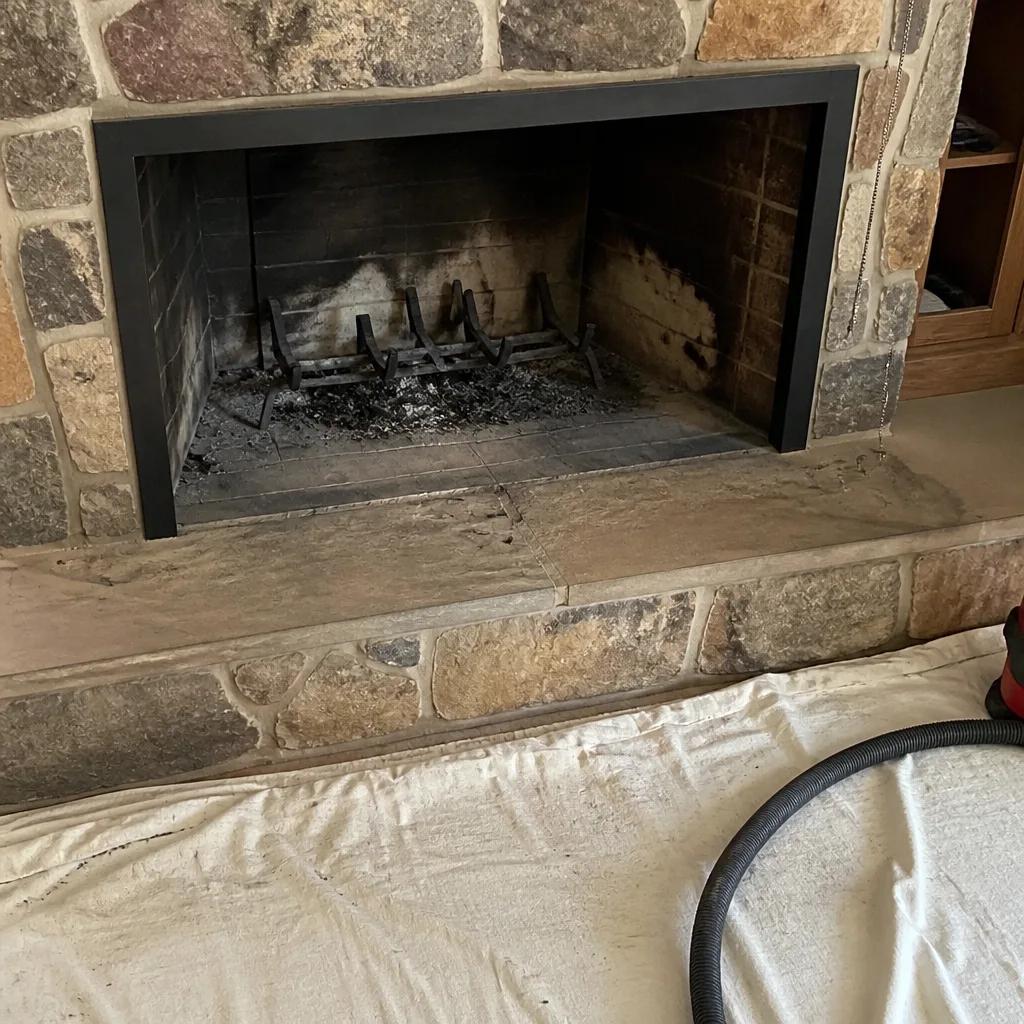 Before
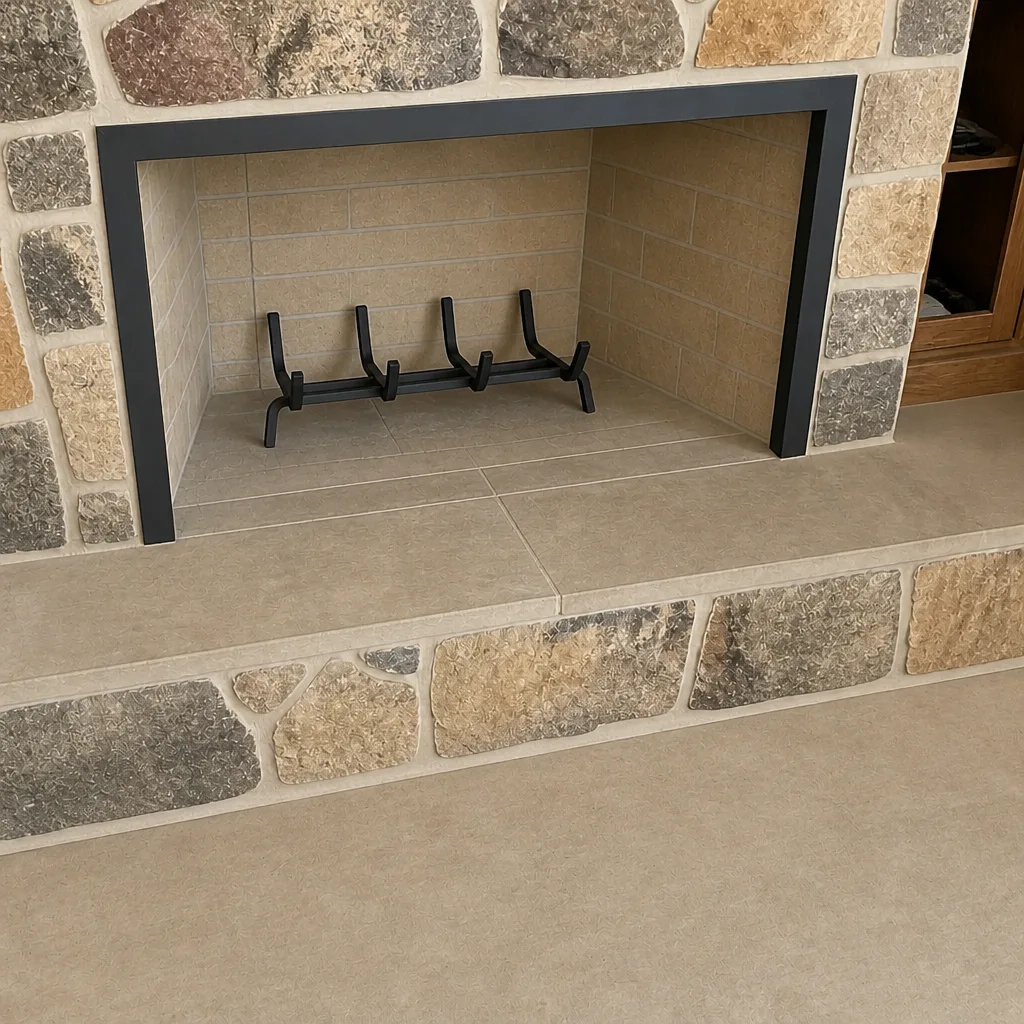 After
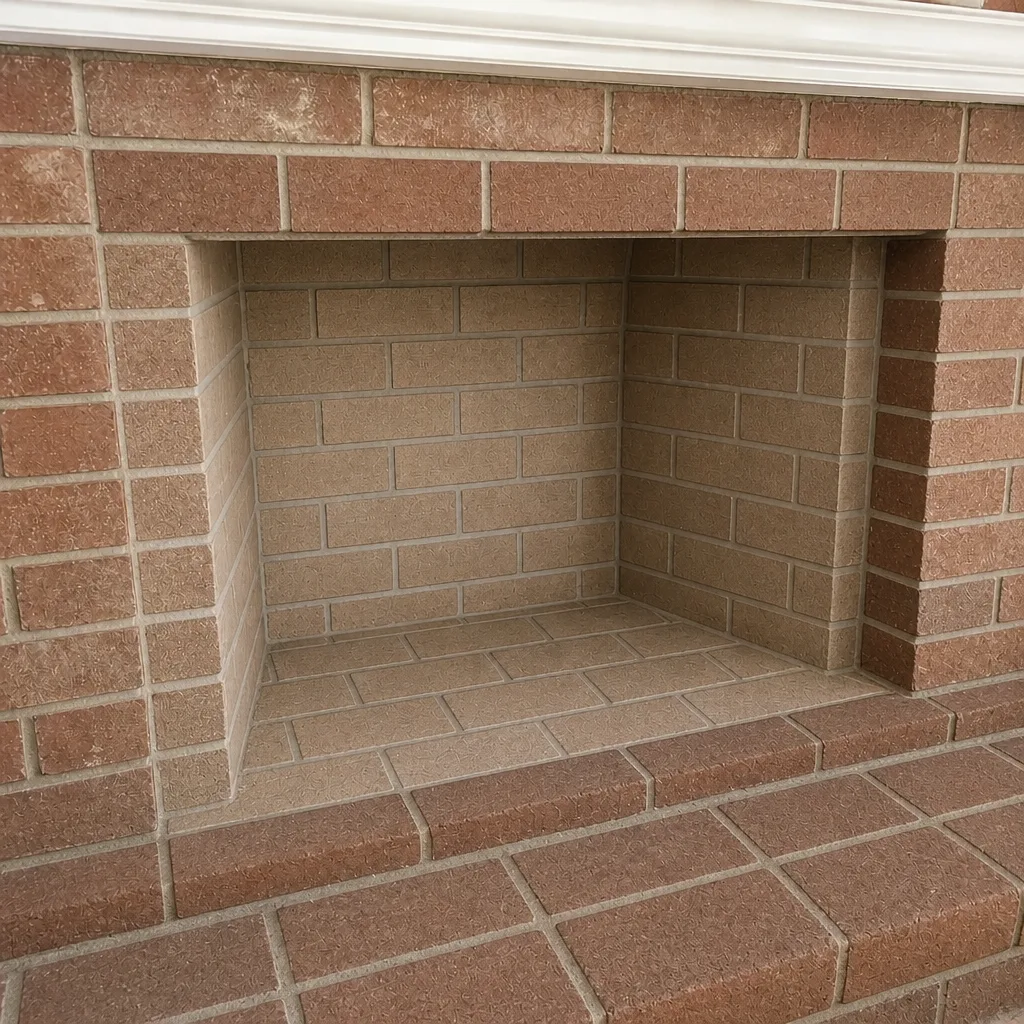
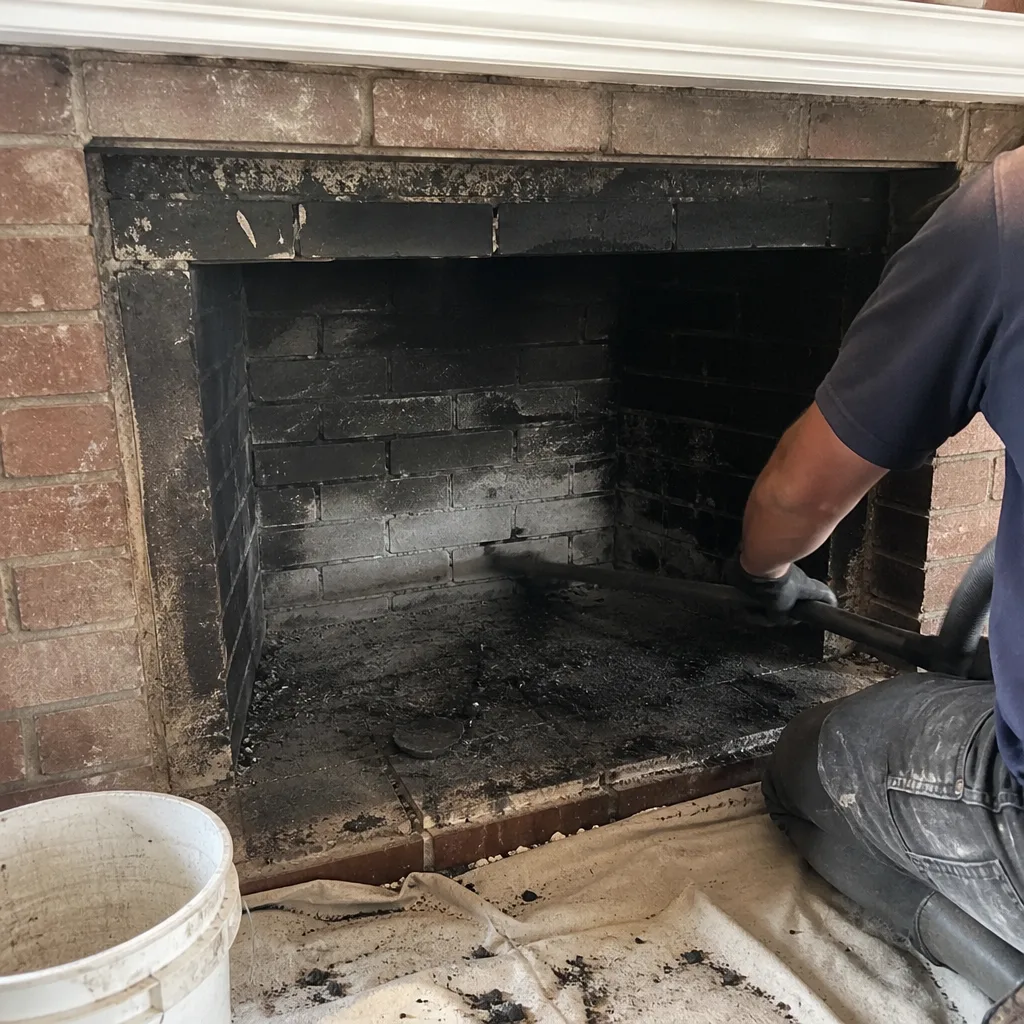 Before
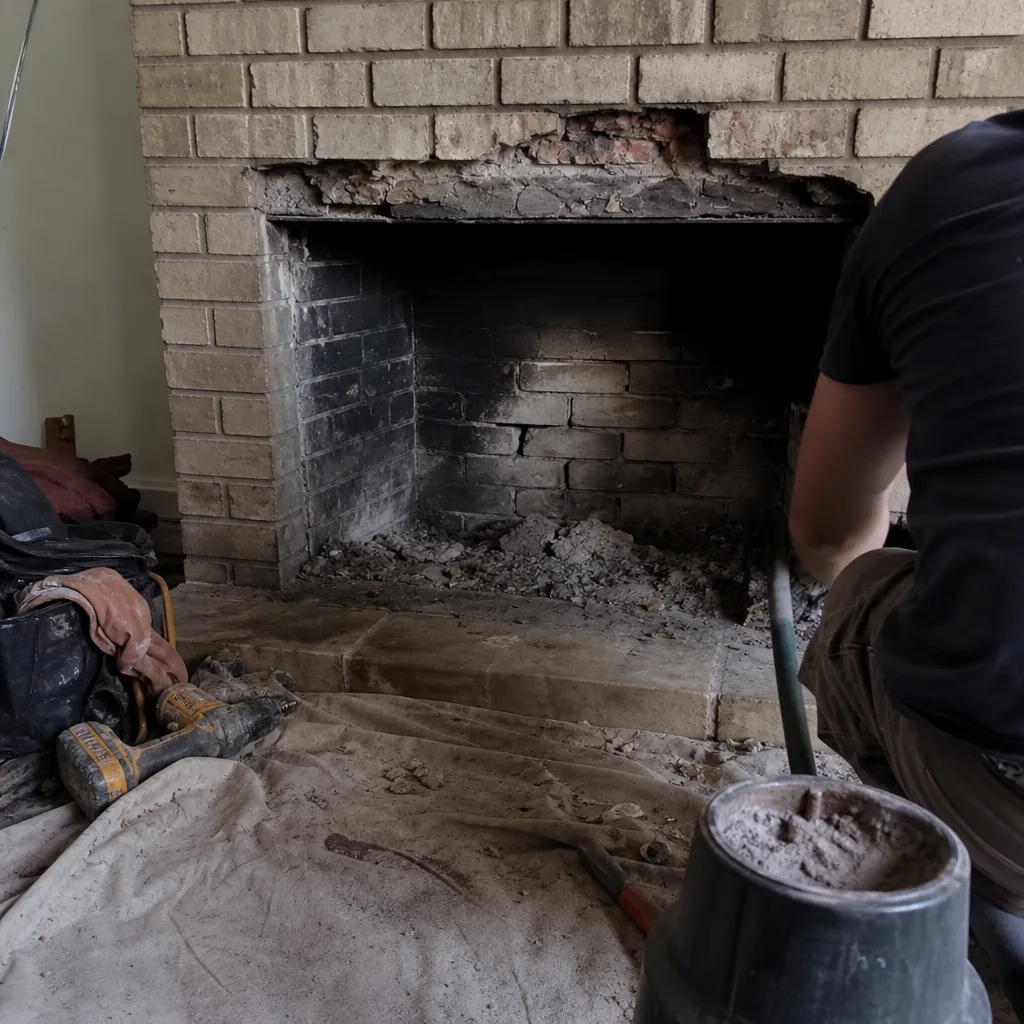
 After
 Before
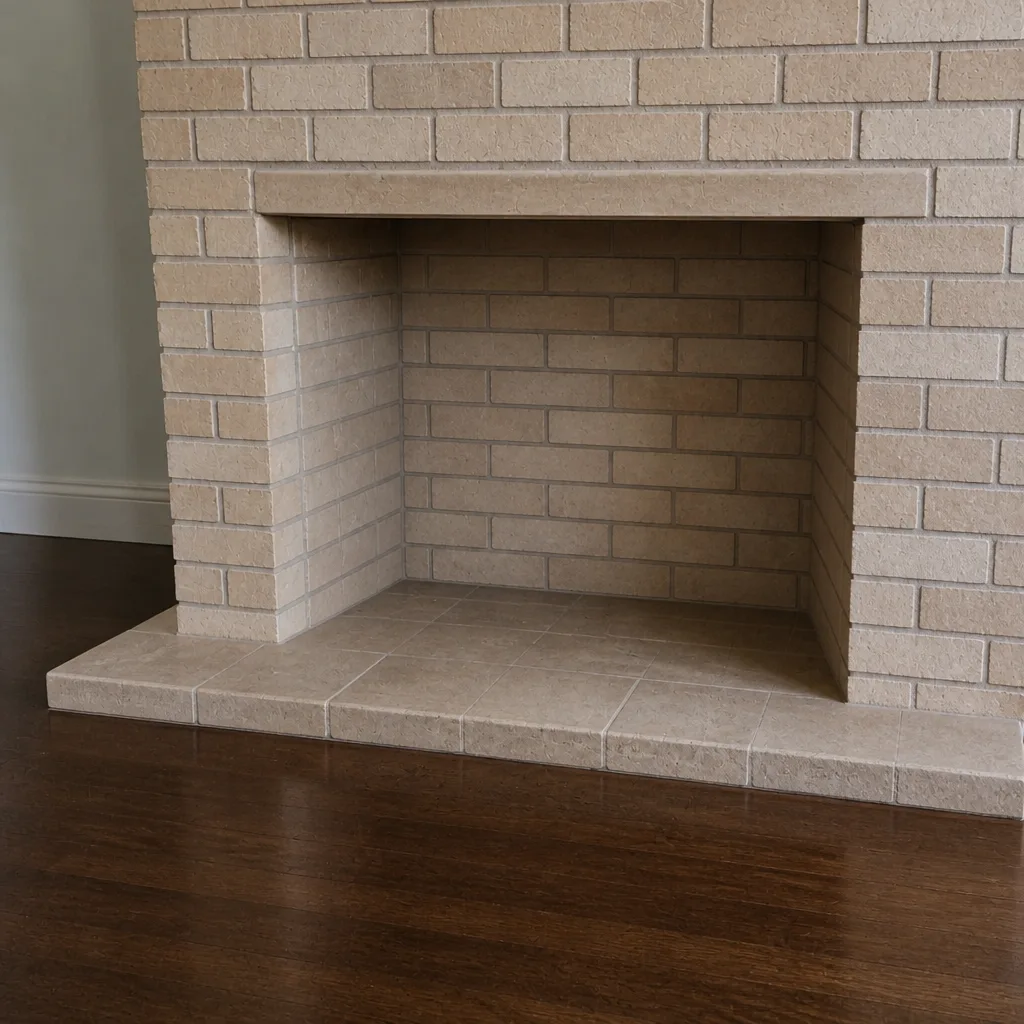 After
When to Call a Professional
Call a professional when any of the following is true: it’s been more than a year since a real inspection, you’ve never had one on this fireplace, you see crusty or shiny deposits in the flue, smoke or a strong creosote smell comes back into the room, your cap or crown looks damaged from the ground, or your fireplace came with a house you didn’t build. Those are the conditions where the DIY ceiling becomes a real risk instead of an inconvenience. A professional Herriman Chimney Sweep visit resolves the condition question in one trip. Herriman Chimney Sweep offers free estimates in Herriman, and we inspect before we recommend, so the answer to “do I need this” comes from the camera rather than a default schedule. Call (866) 972-2258. We answer 24/7. Fast dispatch from 7am to 7pm, Sunday through Friday.
If you’re looking for the full scope of what we handle, the Herriman Chimney Sweep home page is the best place to start.
Frequently Asked Questions
Yes, for light soot and Stage 1 creosote on an accessible flue, and only when a professional has inspected the chimney within the last year or two and confirmed the liner, cap, and crown are in good shape. DIY brushing is a reasonable maintenance task inside a known baseline. It is not a substitute for inspection, and it can’t remove Stage 2 or Stage 3 creosote. If it’s been years since anyone looked inside the flue, start with an inspection. Call (866) 972-2258 for a free estimate.
Sweep a wood-burning chimney once a year during the burn season, or more often if you burn heavily. The yearly cadence catches Stage 1 buildup before it turns into Stage 2, and it gives you an annual baseline on the liner and cap. A gas insert has different maintenance needs and a longer interval. The safest rule for a wood fireplace is annual cleaning plus annual inspection. Call (866) 972-2258 to book a sweep for your Herriman home.
Creosote builds up in stages, and each stage is harder to remove than the one before it. Stage 1 brushes off. Stage 2 needs a rotary system. Stage 3 is glazed, flammable, and can damage a clay tile liner if it’s left in place through a long burn season. Skipping a cleaning doesn’t cause an immediate problem, but it raises the risk profile of every fire you burn after the buildup forms. Call (866) 972-2258 for an honest assessment of what’s actually in your flue.
Only if the inspection shows the current liner is cracked, spalled, or otherwise failing. Many chimneys that look questionable from the firebox have a liner that’s perfectly serviceable, and that’s the answer we give. When a liner does need replacing, a DuraFlex liner system is the industry-standard repair. HeatShield ceramic resurfacing is also an option for masonry liners when the damage is limited enough that full relining isn’t necessary. Every recommendation comes with a camera photo report so you can see what we saw. Call (866) 972-2258 for a free estimate.
It’s enough to handle Stage 1 soot on the sections it can reach, and not enough for anything beyond that. The brush can’t reach the upper flue in a two-story chimney, it can’t break crusty or glazed creosote, and it can’t tell you anything about the condition of the liner, cap, or crown. Treat it as a maintenance tool between professional visits, not as a replacement for one. Call (866) 972-2258 to book the inspection that gives the brush a baseline to work against.
A standard sweep with inspection is quoted per job after a free estimate. Pricing depends on the number of flues, whether a repair is needed, and how much buildup is present. The written estimate sets the final price, and nothing is recommended without camera evidence you can see for yourself. If a repair can safely wait, we say so. Call (866) 972-2258 for an exact quote. Estimates are free.
The Bottom Line
DIY chimney brushing is a real option for a Herriman homeowner with a known baseline, a clean inspection in the last year or two, and only Stage 1 deposits in the flue. It’s not a substitute for professional cleaning or inspection once the deposit stage has climbed, once the fireplace’s history is unknown, or once visible problems suggest the condition question is the actual question. Use frequency, inspection history, and visible deposit characteristics as the three checks. If any one of them routes you to a professional, take the route. The cost of a sweep and inspection is small next to the cost of a liner that fails or a Stage 3 deposit that’s been polished clean by a brush that couldn’t remove it. If you’re ready for an honest look at what’s actually in your flue, call (866) 972-2258. We answer 24/7. Fast dispatch from 7am to 7pm, Sunday through Friday.
Written by the team at Herriman Chimney Sweep.