
Last updated November 24, 2026
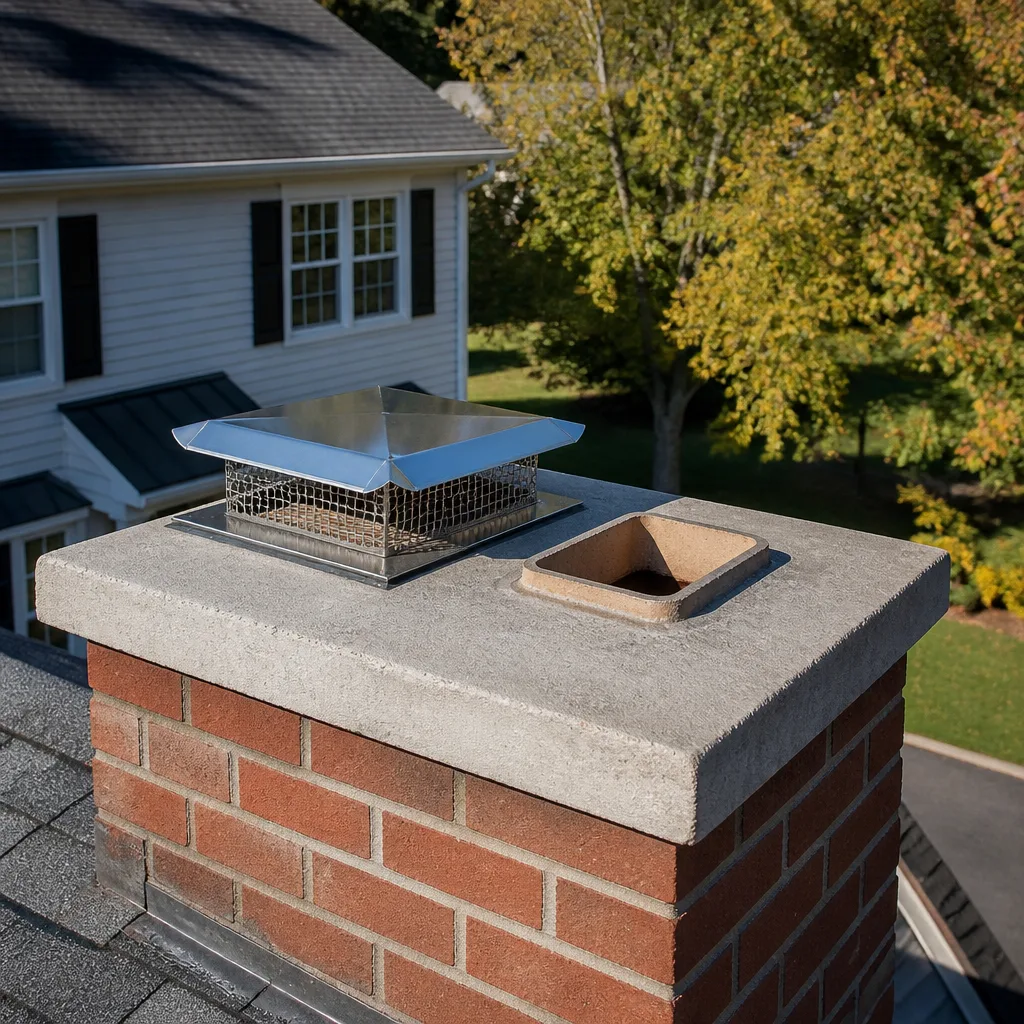 Sweep & inspection
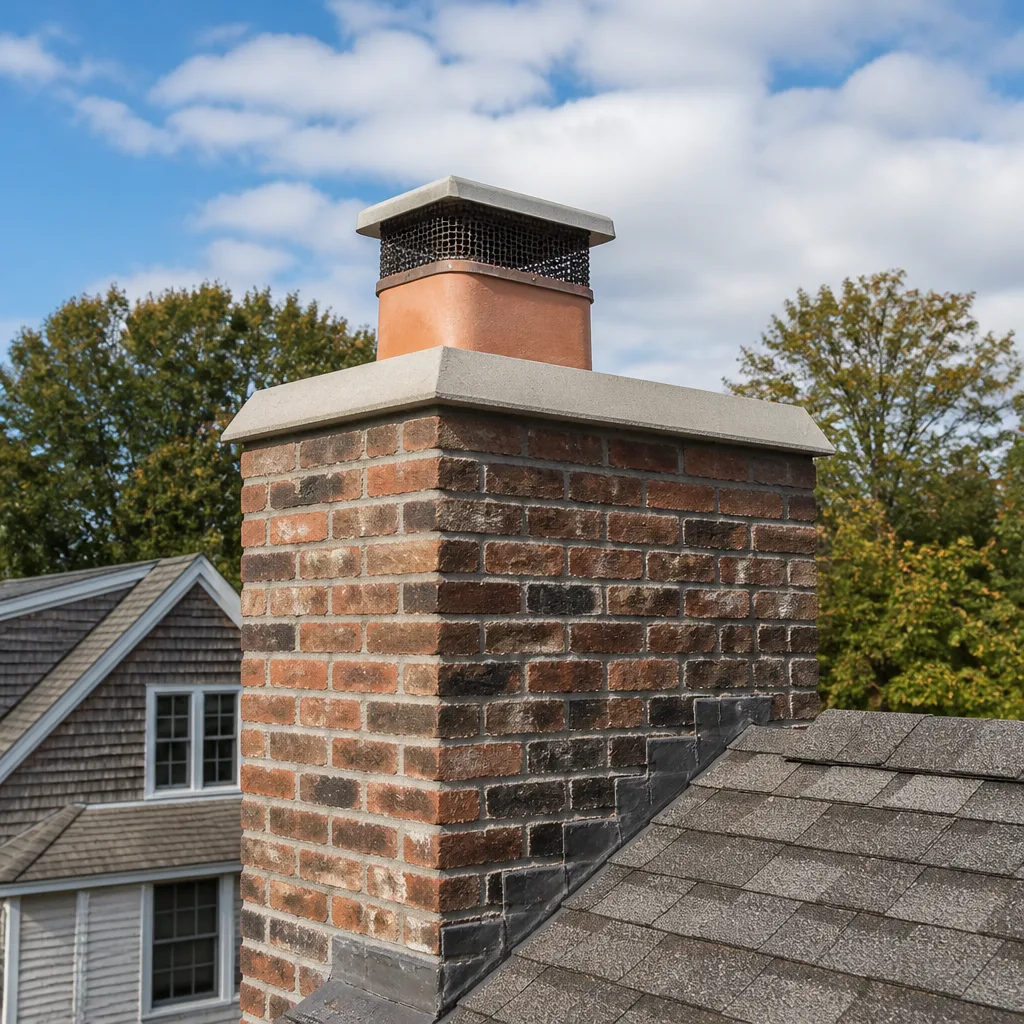 Caps & crowns
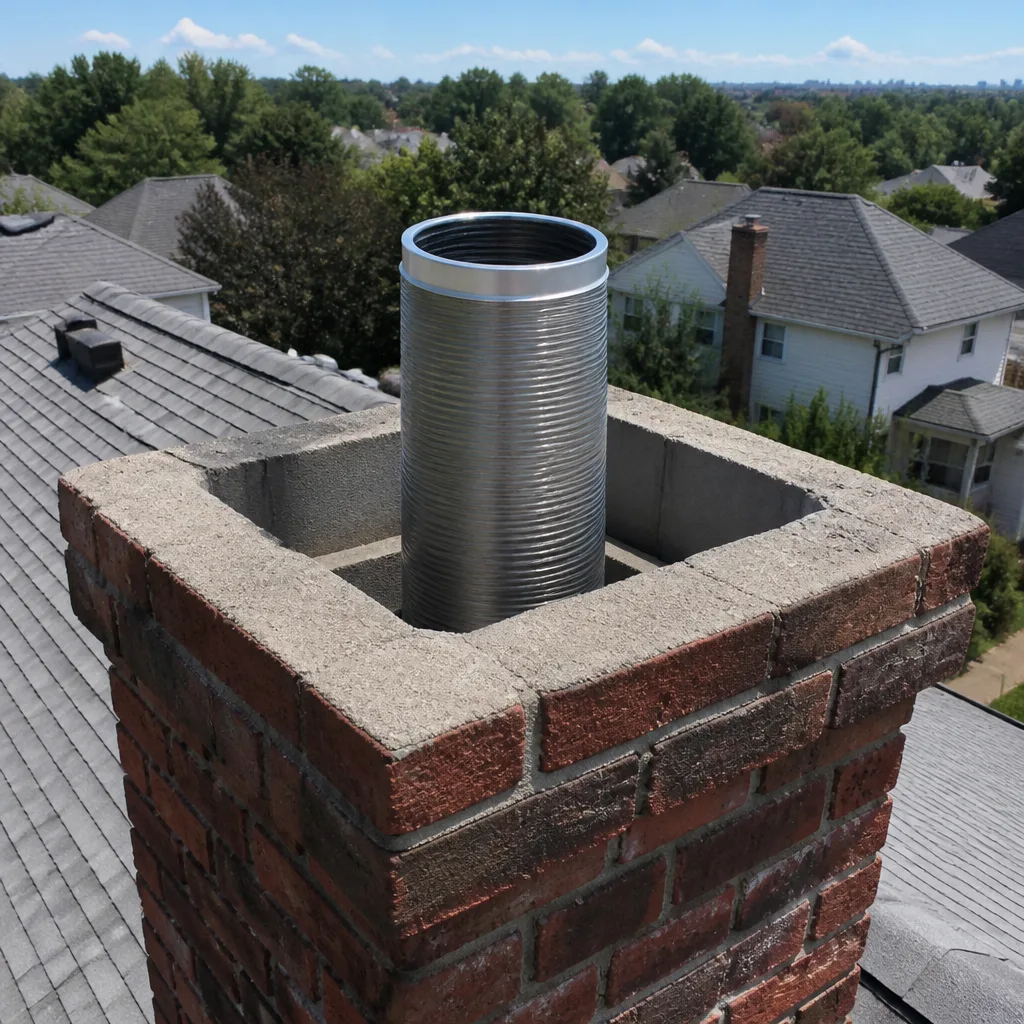 Flue relining
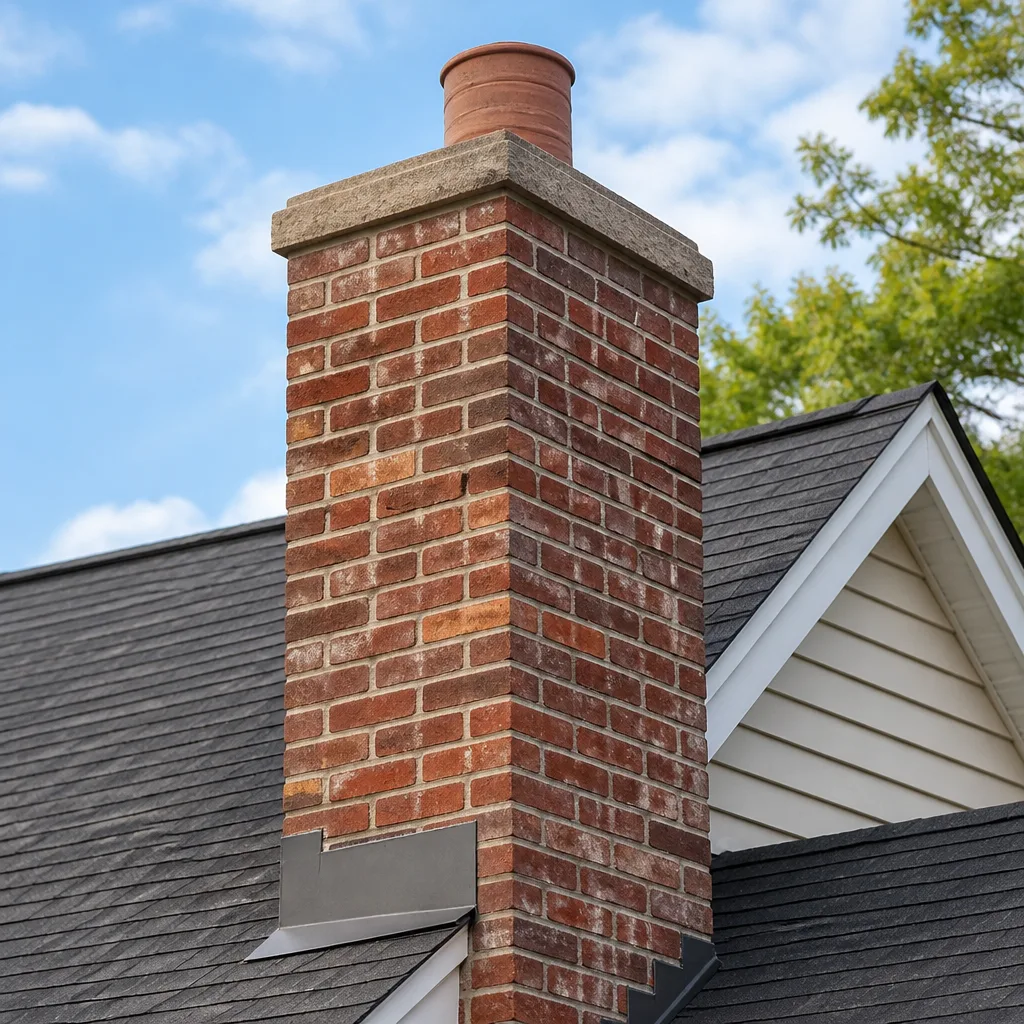 Masonry repair
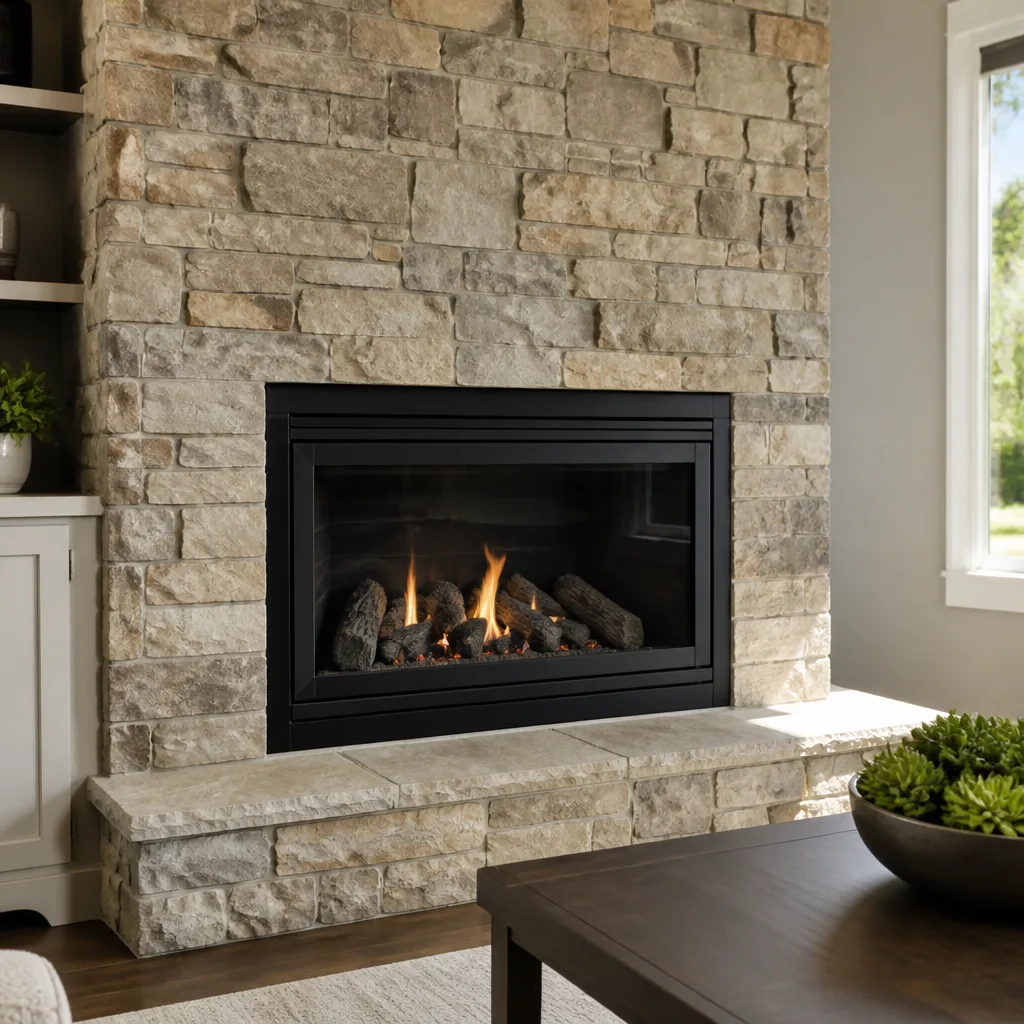 Gas fireplace service
Level 1 sweep and inspection to the NFPA 211 annual standard - flue, crown, cap, and flashing checked and photographed
Chimney sweep logs do not sweep chimneys. They loosen some creosote - which then falls where a brush and vacuum still have to collect it.
Chimney Cleaning Emergency Preparedness Guide for Herriman Homes
Most people assume a chimney fire announces itself with a roar. In our experience, it often doesn’t. Sometimes it’s a low rumble you feel more than hear, a faint burning smell with no fire in the firebox, or smoke drifting from a seam in the flue where no smoke should be. Homeowners chalk these up to a draft problem or a cold chimney until it turns into something worse. This guide is about the first ten minutes of a chimney emergency in Herriman: how to recognize one, what to do, and what to document afterward. It won’t replace a professional sweep, but knowing these signs could save your home.
Quick Answer
If you suspect a chimney fire, close the firebox doors or damper to starve the fire of air, get everyone out of the house, and call 911. If a carbon monoxide detector alarms or you feel dizzy, nauseous, or confused, leave immediately and call 911 from outside. Most chimney emergencies are preventable through annual sweeping and inspection, but recognizing the first signs is what keeps a small problem from becoming a catastrophic one.
Styles & brands we work with
- Sweep & inspection
- Caps & crowns
- Flue relining
- Masonry repair
- Gas fireplace service
Table of Contents
- How do you recognize a chimney fire in progress?
- What are the immediate steps during a chimney fire?
- What are the carbon monoxide risks from blocked or damaged flues?
- What causes sudden blockages in Herriman chimneys?
- What should you document after a chimney emergency?
- How do you prevent chimney emergencies in the first place?
- Common Mistakes to Avoid
- When to Call a Professional
How do you recognize a chimney fire in progress?
A chimney fire can be loud or quiet. A free-burning fire with plenty of oxygen can produce a roaring sound, but a slow, smoldering creosote fire may only produce a low rumble or a soft popping noise that’s easy to miss. The problem is that the smoldering kind is often the more dangerous, because it can go undetected for a long time and damage the flue from the inside while you’re sitting in the next room.
Because wood smoke behaves differently in a cold, dry, high-elevation climate like ours, the signs can be subtler here. A chimney that drafts slowly on a cold Herriman morning can mask smoke where hot smoke would rise fast and billow. So pay attention to the quiet signals, not just the violent ones.
What to listen for:
- A low rumble or humming sound, like a distant train, coming from the firebox or flue
- Popping or crackling that continues after you stop adding wood
- A “whooshing” sound that gets louder when you open the firebox door
What to smell and feel:
- A strong, hot, tar-like or burning-plastic smell, distinct from normal wood smoke
- Excess heat radiating from the chimney pipe or flue
- Dizziness or a headache that develops while you’re near the fireplace
What to look for inside and outside:
- Smoke rolling from the fireplace opening or the flue seams, not just from the firebox
- Dark smoke or sparks from the chimney top (though a slow fire may show nothing)
- Creosote flakes or soot falling onto the hearth or the roof
- A visible glow or heat shimmer from the chimney cap or flue
In our experience, homeowners who’ve put off maintenance often mistake the earliest signs for a draft problem. If anything on that list feels familiar, treat it as a chimney fire until a professional tells you otherwise. That’s exactly the kind of scenario a scheduled inspection is designed to catch before it happens.
What are the immediate steps during a chimney fire?
The first ten minutes matter more than anything else. What you do, and in what order, shapes how much damage a chimney fire causes and whether anyone gets hurt. Here’s how to respond, in sequence.
- Alert everyone and evacuate. Get everyone out of the house right away, including pets. Don’t stop to gather belongings. Once outside, call 911 and stay outside.
- Close the firebox doors or damper on your way out. If you can safely reach the damper or the firebox door, close it to limit oxygen, which feeds the fire. Don’t linger to do this; if the door is already closed or you can’t reach it quickly, just go.
- Don’t put water on a chimney fire. Throwing water into a hot firebox or onto a hot flue can cause cracking, generate a dangerous steam explosion, and spread the fire. Leave it to the fire department.
- Stay out of the house. Even after the flames seem to stop, chimneys can hold heat and re-ignite. Let the fire department check the chimney and the attic before you go back inside.
In our experience, homeowners who’ve put off maintenance often try to fight a chimney fire themselves because they don’t want to call the fire department. Don’t. The most important thing is to get out and let trained people handle it. A chimney fire that looks out can still be smoldering in the flue or hidden in framing.
One more thing: never try to put out a chimney fire and then continue using the fireplace the same day. A fire can weaken or crack the flue, and using it again before it’s inspected can turn a contained event into a carbon monoxide risk. That’s the point at which you need a professional inspection.
What are the carbon monoxide risks from blocked or damaged flues?
Carbon monoxide is the invisible risk of a chimney problem. It’s a colorless, odorless gas produced by any fuel-burning appliance, and a blocked or damaged flue can push it back into your living space instead of venting it outside. In our experience, the hardest part of CO is that the early symptoms feel like the flu or a bad cold, so people stay home and try to push through.
Because wood-burning and gas fireplaces and furnaces are common in Herriman homes, and because basements and tight, well-sealed houses hold onto exhaust, a carbon monoxide detector is not optional. It’s the early-warning system that catches a problem before the symptoms do.
What to watch for:
- Headache, dizziness, nausea, or fatigue that improves when you leave the house and returns when you come back
- Confusion or shortness of breath in a space where a fireplace or furnace is running
- A detector alarm, even a single chirp or a low-level reading
- Soot or dark staining around the firebox, flue seams, or the furnace vent
Where to place detectors: Put a carbon monoxide detector on every level of your home and near sleeping areas, and test them regularly. If you have a wood-burning fireplace or a gas insert, put one in the same room or nearby so a problem shows up fast. Detectors are widely available and worth the cost.
If you suspect CO exposure: Get outside immediately, call 911 from outside, and don’t re-enter until the fire department clears the house. Then have the chimney and any fuel-burning appliance inspected before you use them again. A damaged flue or a blocked chimney can be the cause, and it won’t fix itself. For built-in fireplace issues, our fireplace repair work starts with diagnosing the cause.
What causes sudden blockages in Herriman chimneys?
Not every emergency is a fire. A sudden blockage can push smoke and carbon monoxide into your home just as quickly, and the causes are different depending on the chimney and the season. Here’s what we see most often in Herriman, and what each looks like from inside the flue.
Bird nests and animal intrusion. Chimneys open at the top make an appealing home for birds, squirrels, and raccoons, especially if the chimney has no cap. From inside, a nest looks like a dense tangle of twigs, grass, and feathery debris caught on the flue walls or ledge. A dead animal or a large nest can narrow the outlet enough to back up smoke and CO. A proper cap prevents most of this.
Collapsed liner sections. Older chimneys with clay tile or unlined flues can crack and let pieces fall into the chimney. A collapsed tile shows up as a hard, flat obstruction that doesn’t look like debris. A liner that’s crumbling can also allow carbon monoxide to escape into the house through cracks. This is where a liner repair system like HeatShield or a flexible DuraFlex liner comes in, but only after a camera inspection confirms the damage.
Creosote buildup and soot. Creosote is a normal byproduct, but when it builds up it can flake off and form a plug, or ignite and create a fire that then blocks the flue. From inside, it looks like a dark, tar-glazed or sooty coating.
Snow, ice, and weather. Herriman’s cold winters can produce ice and snow at the chimney top that narrows the outlet. Combine that with a fire and you can get a sudden backdraft of smoke into the room. Keep the top of the chimney clear and have it checked before the cold sets in.
Construction and debris. A new cap or a remodel can leave mortar, insulation, or other debris in the flue. If a chimney has been worked on recently and suddenly drafts poorly, get it checked before you assume it’s a problem with the fire itself.
A camera inspection is how we tell the difference. We can show you what the inside of the flue actually looks like, which matters when the next step could be a repair, a relining, or a simple sweep. For structural fixes, our chimney repair work covers the full range.
What should you document after a chimney emergency?
After the emergency is over and everyone is safe, the next phase begins, and this is where a lot of homeowners get talked into work they didn’t need because they didn’t know what questions to ask. Before you let anyone start repairs or use the fireplace again, slow down and document what happened. It protects you with your insurer and gives any professional a clear starting point.
What to document:
- When and where you noticed the problem, and what the signs were (sound, smell, smoke, detector alarm, symptoms)
- Photos and video of the firebox, the flue, the chimney top, and any soot or debris you found
- The fire department’s report or any information they gave you
- The names and notes of anyone who inspected or worked on the chimney before the event
- A record of any detector readings or the date the detector was last tested
Questions to ask before you allow repairs or resume use:
- Can you show me the camera footage of the inside of my flue?
- What specifically did you find, and how does it explain what happened?
- Is the chimney safe to use now, or does it need repair first?
- What are my repair options, and is a less invasive repair possible?
- Are the materials specified for this job professional-grade, and who makes them?
In our experience, the answer to the camera question tells you the most. If a company can’t show you the inside of the flue, you don’t actually know what’s wrong. We inspect before we recommend, and you get to see what we see. A real diagnosis also protects you from being sold a full rebuild when a less invasive repair, like resurfacing with a ceramic liner system, would do the job. If your fireplace has been through a fire or a heavy draft event, our chimney sweep visit is the starting point for a clean, camera-confirmed evaluation.
How do you prevent chimney emergencies in the first place?
Almost every chimney emergency is a maintenance problem in disguise. A sweep and an inspection won’t guarantee you’ll never have an emergency, but they catch the causes: creosote buildup, a cracked liner, a nest, a failed cap, a damaged crown. In a cold, snowy climate like Herriman’s, a chimney works hard and gets checked less than it should.
What to do, and when:
- One maintenance visit per year. Book a sweep and inspection before burning season starts. That’s the single most effective step.
- Use the right fuel. Burn seasoned hardwoods, not wet or green wood, and don’t burn paper, cardboard, or trash. Wet wood produces more creosote.
- Watch your fire. Don’t let a fire run too hot or too fast, and don’t let creosote build up between sweeps.
- Keep the cap on. A good cap keeps animals, snow, and water out. A cap that’s loose, damaged, or missing is a common cause of blockages. Gelco and Famco caps are what we provide when a cap needs to be replaced.
- Test your detectors. Check your carbon monoxide and smoke detectors regularly, and replace the batteries when they need it.
- Get a camera inspection. Keep a record of what the inside of the flue looks like, so you can compare year to year.
One of the most common things we find in older Herriman homes is a fireplace that’s been made safer with a mechanical sweep but never inspected. A sweep removes creosote and soot; an inspection tells you whether the flue, cap, and crown are actually intact. You need the inspection as much as the sweep, because a sweep alone can leave a cracked liner or a snow-blocked top that no brush would catch. If you’re not sure your chimney has been checked, that’s the first step.
Common Mistakes to Avoid
- Waiting for the loud, obvious fire. A slow, smoldering chimney fire can be more destructive than a fast one. Don’t assume that a quiet chimney is a safe one.
- Using the fireplace again after a fire without an inspection. A fire can weaken or crack the flue. Using it again before it’s checked can turn a contained event into a carbon monoxide problem.
- Putting off the annual sweep. Creosote builds up gradually and can flare up suddenly. Book it before burning season, not after you smell smoke inside.
- Assuming a sweep covers inspection. A mechanical sweep removes soot and creosote; a camera inspection tells you what condition the flue is actually in. Ask for both.
- Allowing repairs without seeing the evidence. If a company can’t show you camera footage of the inside of your flue, you don’t know what you’re paying for. Don’t authorize work on someone’s word alone.
- Ignoring the signs of CO. Treating a headache or a detector chirp as “probably nothing” is a common and dangerous mistake. Leave the house and call for help.
- Skipping the cap or letting a bad one stay. A missing or damaged cap is one of the most common causes of sudden blockages. Check it before the cold weather arrives.
When to Call a Professional
Call a professional if you’ve had a chimney fire and the fireplace hasn’t been inspected, if a carbon monoxide detector has alarmed, if you’ve noticed smoke backing into the room, if the chimney drafts poorly, or if the cap or crown looks loose, damaged, or missing. Also call if you’ve never had an inspection on an older fireplace and you don’t know its condition. These aren’t projects to manage alone. When you call, ask the same questions we listed above: what did you find, can you show me the camera footage, and is it safe to use now. Herriman Chimney Sweep offers free estimates in Herriman. Call (866) 972-2258. We answer 24/7. Fast dispatch from 7am to 7pm, Sunday through Friday.
See the difference
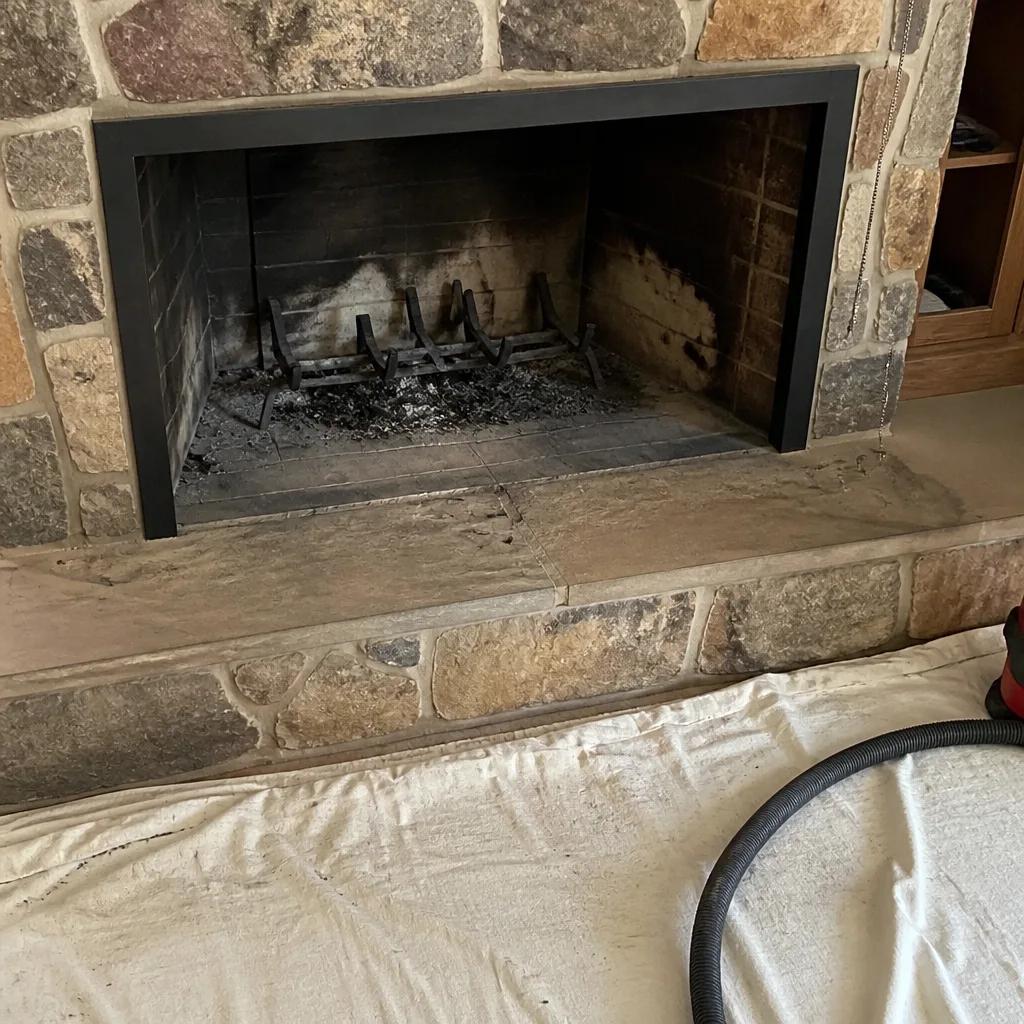 Before
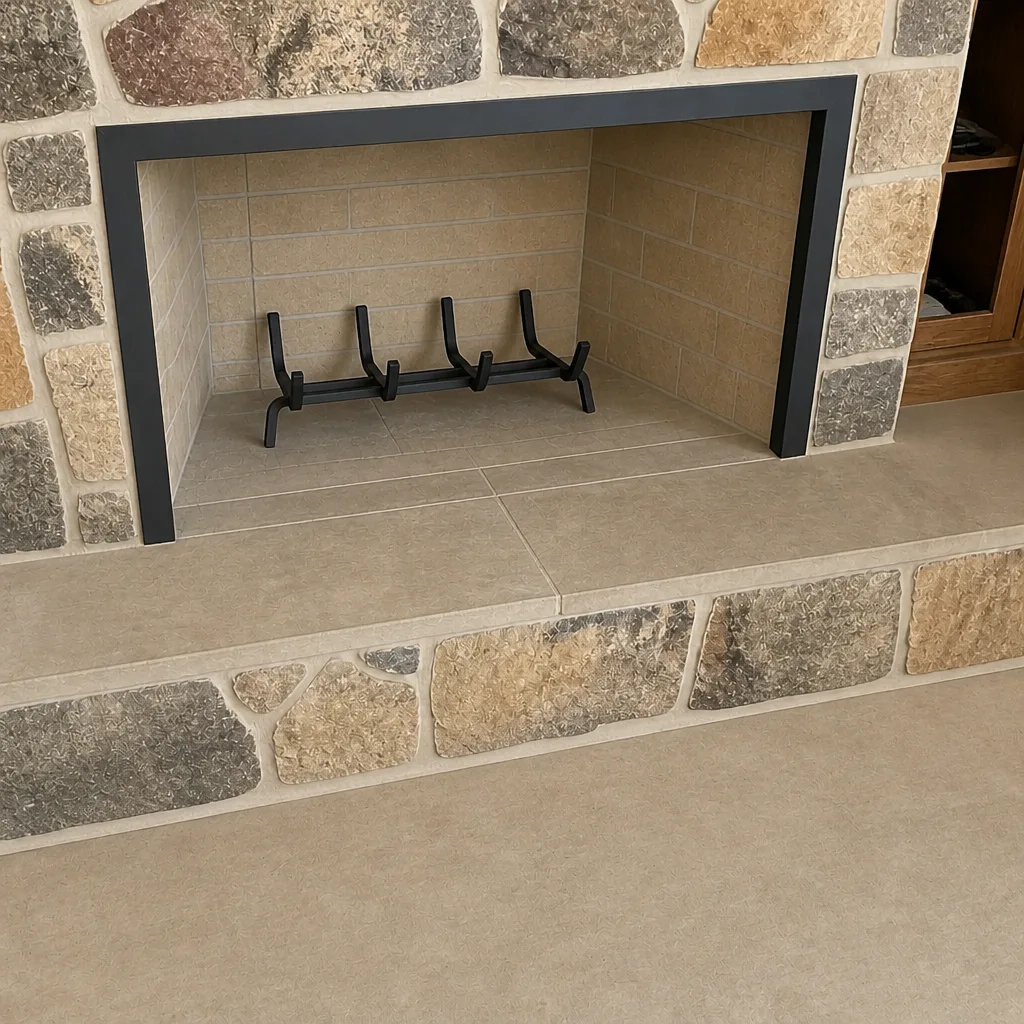 After
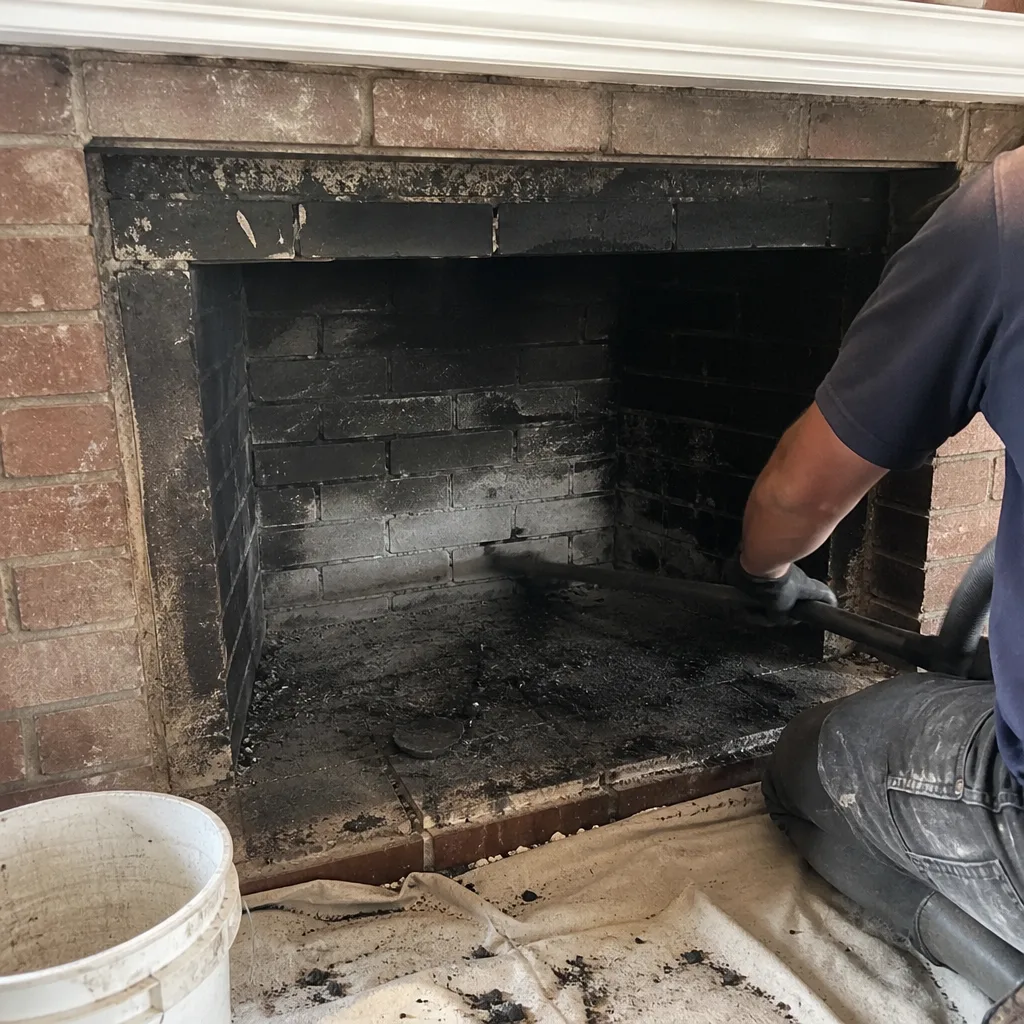 Before
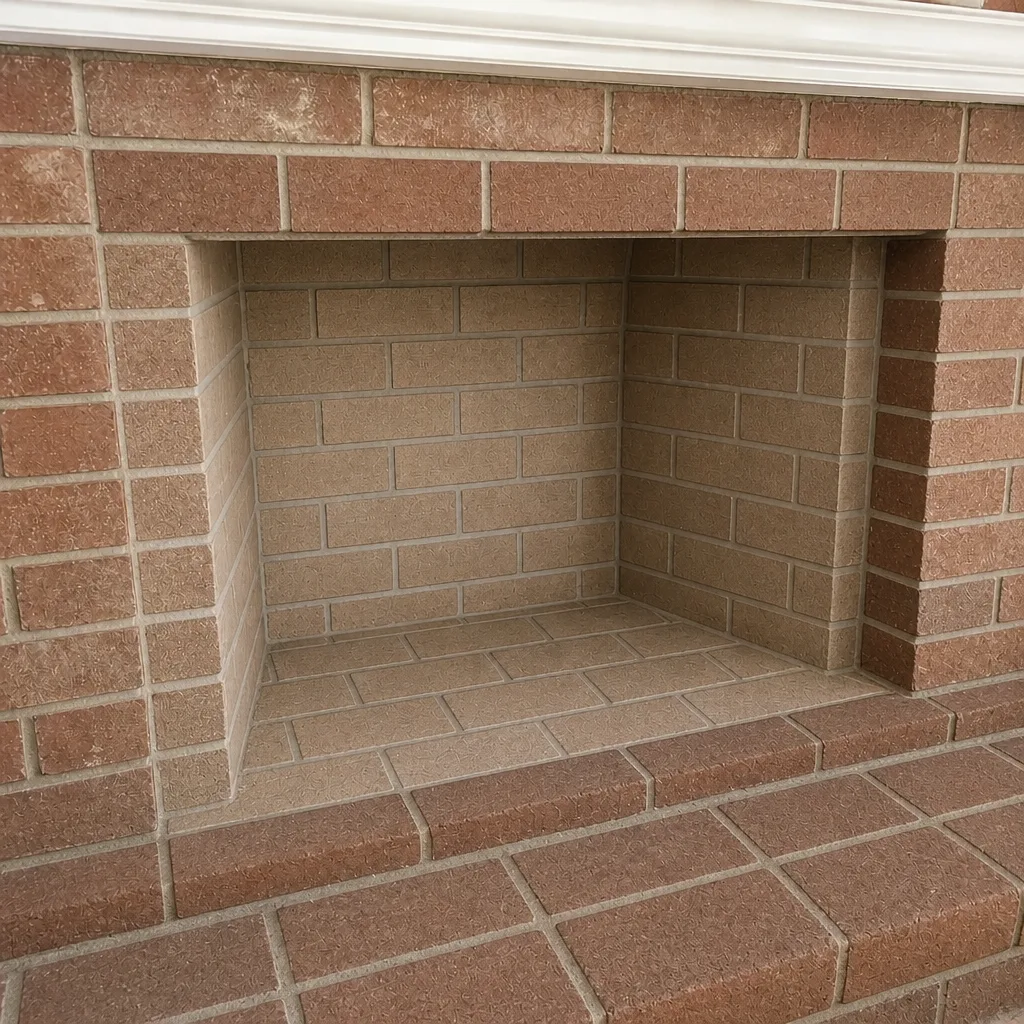 After
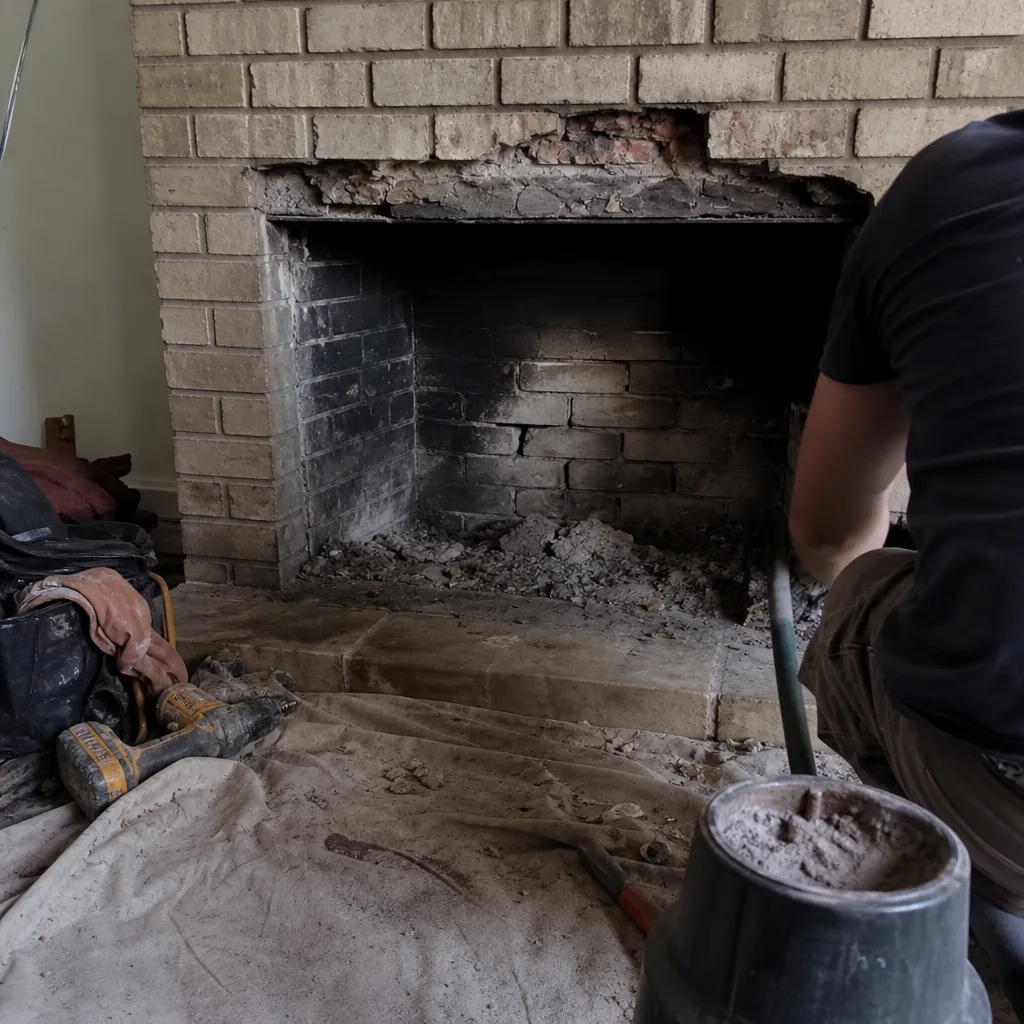 Before
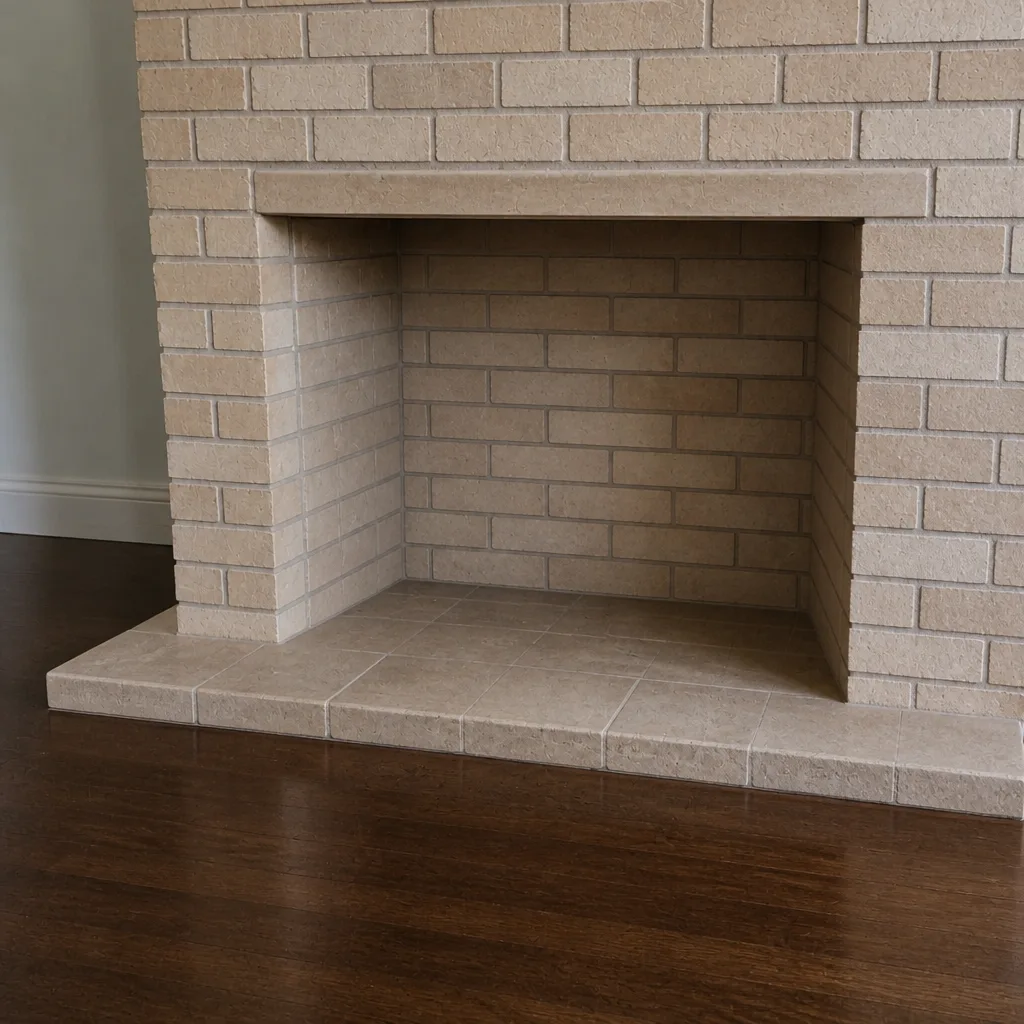 After
Frequently Asked Questions
Look for a low rumble or popping sound, a hot tar-like smell, smoke from the flue seams, or a visible glow at the top. If you suspect a chimney fire, close the firebox door or damper, evacuate, and call 911. Don’t try to put it out yourself. Call (866) 972-2258 for an inspection once it’s safe.
Not always. It depends on the condition of the flue, which is why a camera inspection comes first. If the liner is intact, you may only need a sweep and inspection; if it’s cracked, a liner repair system can be confirmed as the right fix. Call (866) 972-2258 to schedule an inspection before you authorize any repair.
A camera inspection shows the difference. A nest looks like a dense tangle of twigs and debris; a collapsed liner shows up as a hard, flat obstruction. Don’t guess, and don’t try to clear it yourself. Call (866) 972-2258 for a camera inspection.
Headache, dizziness, nausea, fatigue, or confusion that improves when you leave the house. If a detector alarms or you feel these symptoms, leave immediately and call 911. Then have the chimney and any fuel-burning appliance inspected before you use them again. Call (866) 972-2258 to book an inspection.
Once a year, before burning season starts. A sweep and inspection together catch creosote buildup, cracks, and blockages before they become a fire or a carbon monoxide risk. Book it before the cold sets in, not after you smell smoke inside. Call (866) 972-2258 to schedule.
Stop using the fireplace and book an inspection. Poor draft can come from a blocked flue, a cracked liner, a snow-blocked top, or a damaged cap, and a camera inspection will show which. Call (866) 972-2258 for a free estimate.
The Bottom Line
A chimney emergency is usually a maintenance problem that finally got your attention. The most dangerous version is the quiet one: a slow, smoldering fire that doesn’t announce itself, or a blocked flue that pushes carbon monoxide into the house without a sound. Knowing the first signs, what to do in the first ten minutes, and what to document afterward is what keeps a contained event from becoming a catastrophe. But the best defense is before the emergency: get a sweep and a camera inspection before burning season, keep a working cap on the chimney, and test your detectors. When you do call, ask for the camera footage and a plain explanation. We’ll tell you what we found and what it actually means, and you’ll see the evidence yourself.
Herriman Chimney Sweep offers chimney sweeping, inspection, fireplace repair, chimney repair, and cap and crown installation for Herriman homes. Call (866) 972-2258 for a free estimate. We answer 24/7. Fast dispatch from 7am to 7pm, Sunday through Friday.
Written by the team at Herriman Chimney Sweep.