
Last updated November 24, 2026
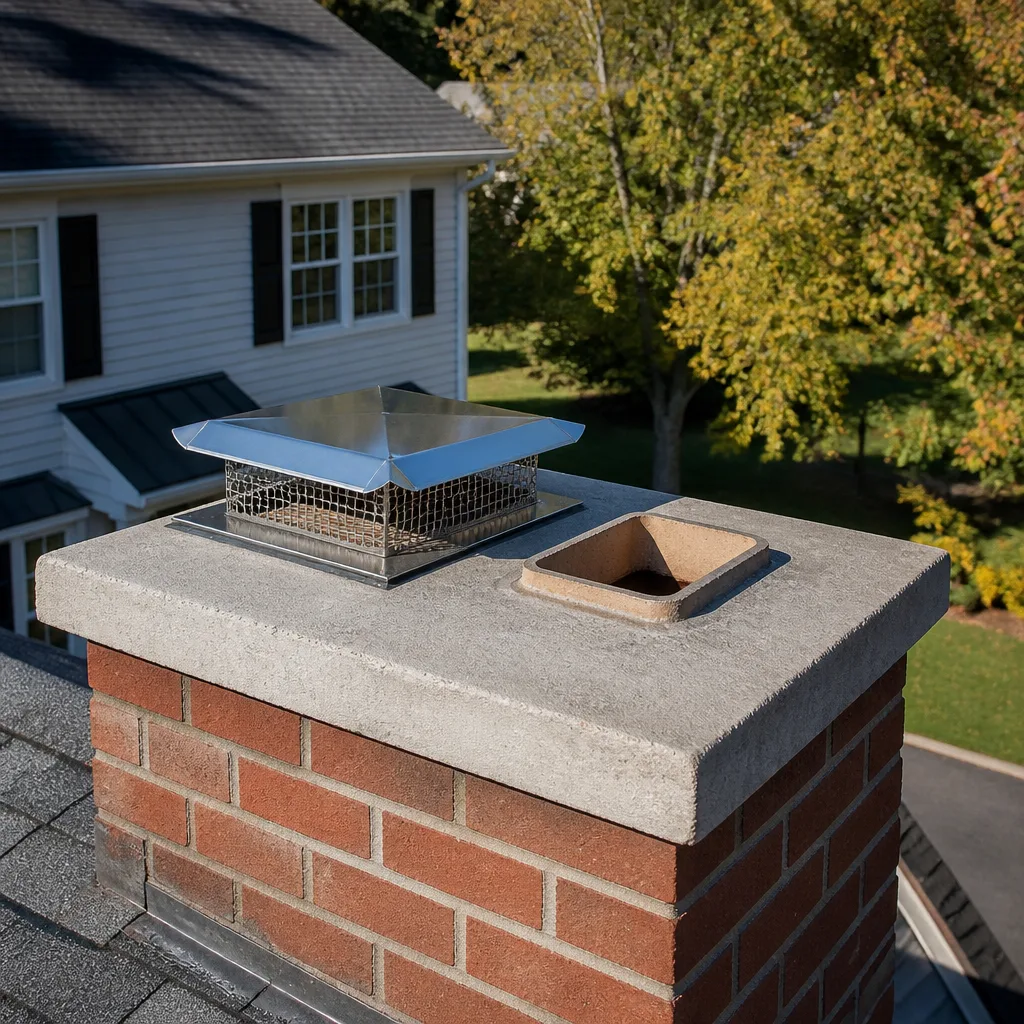 Sweep & inspection
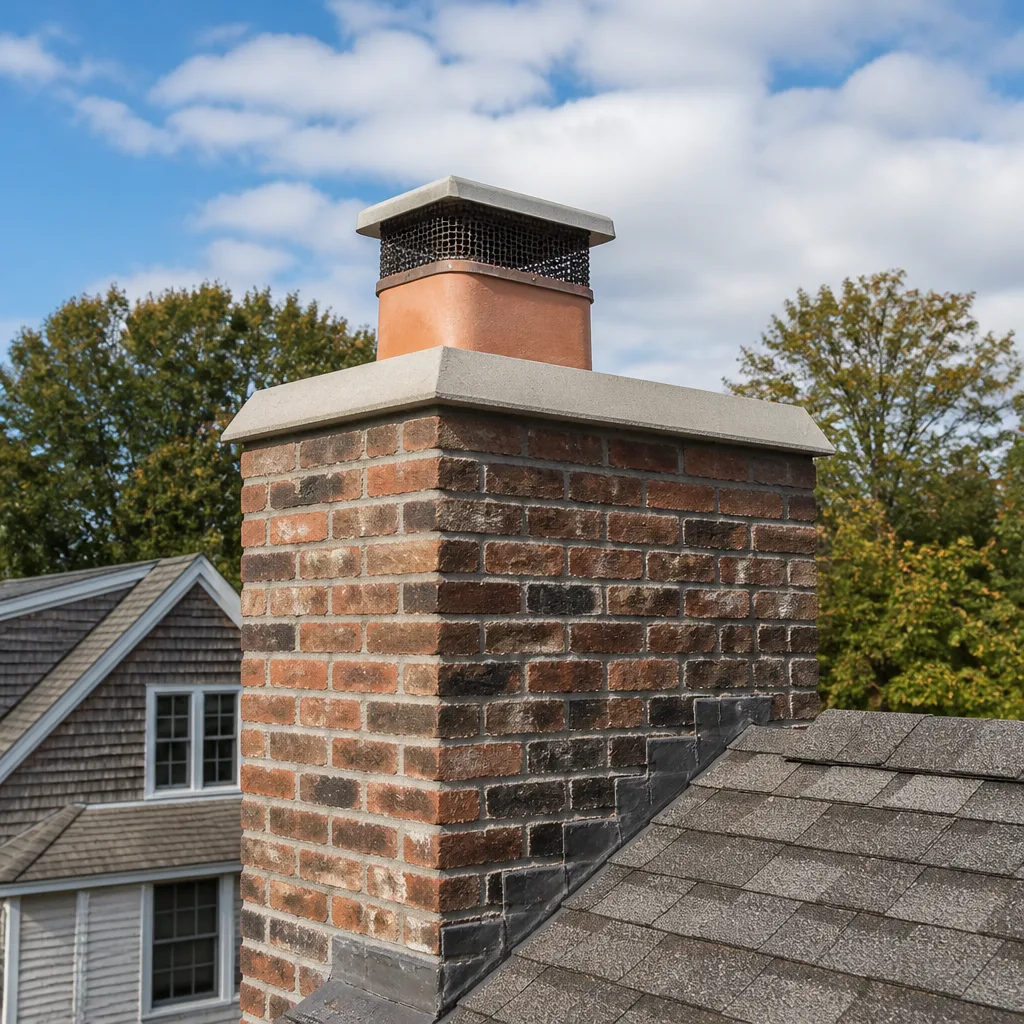 Caps & crowns
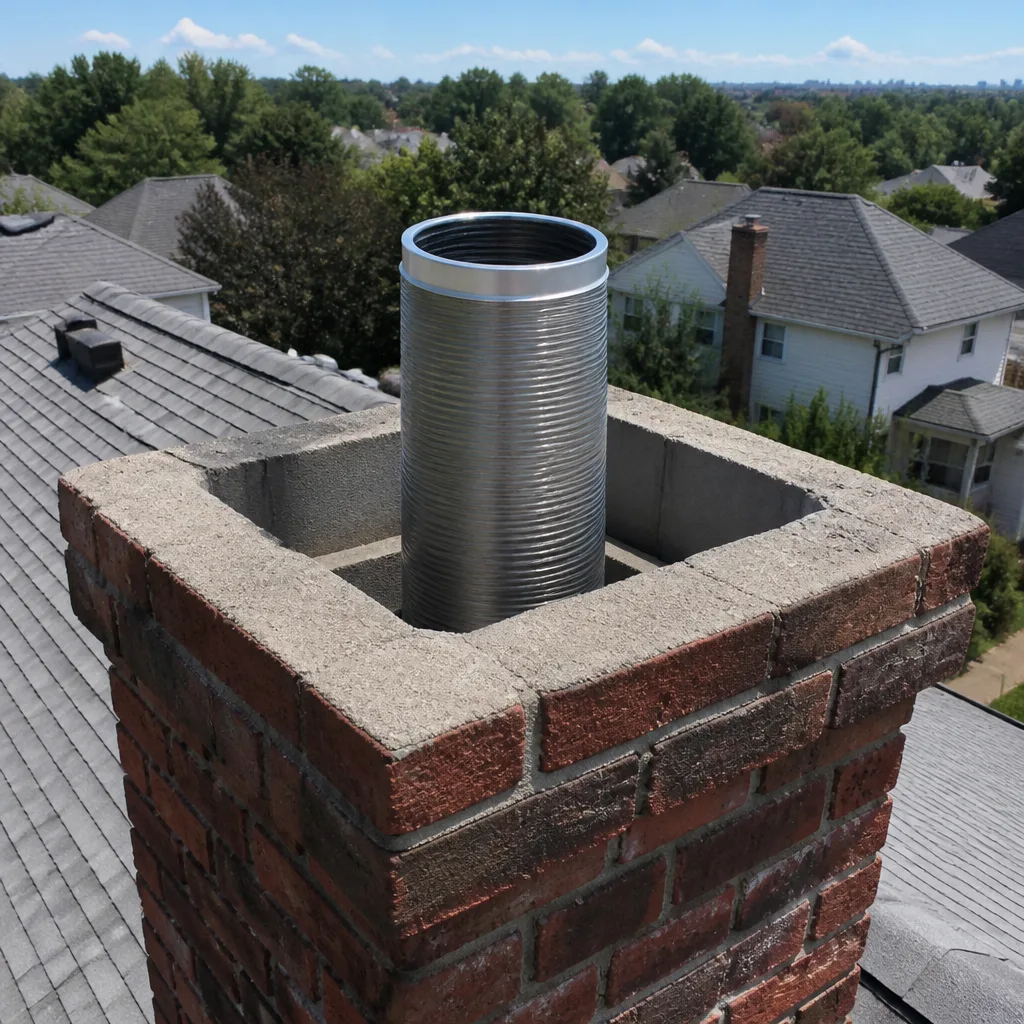 Flue relining
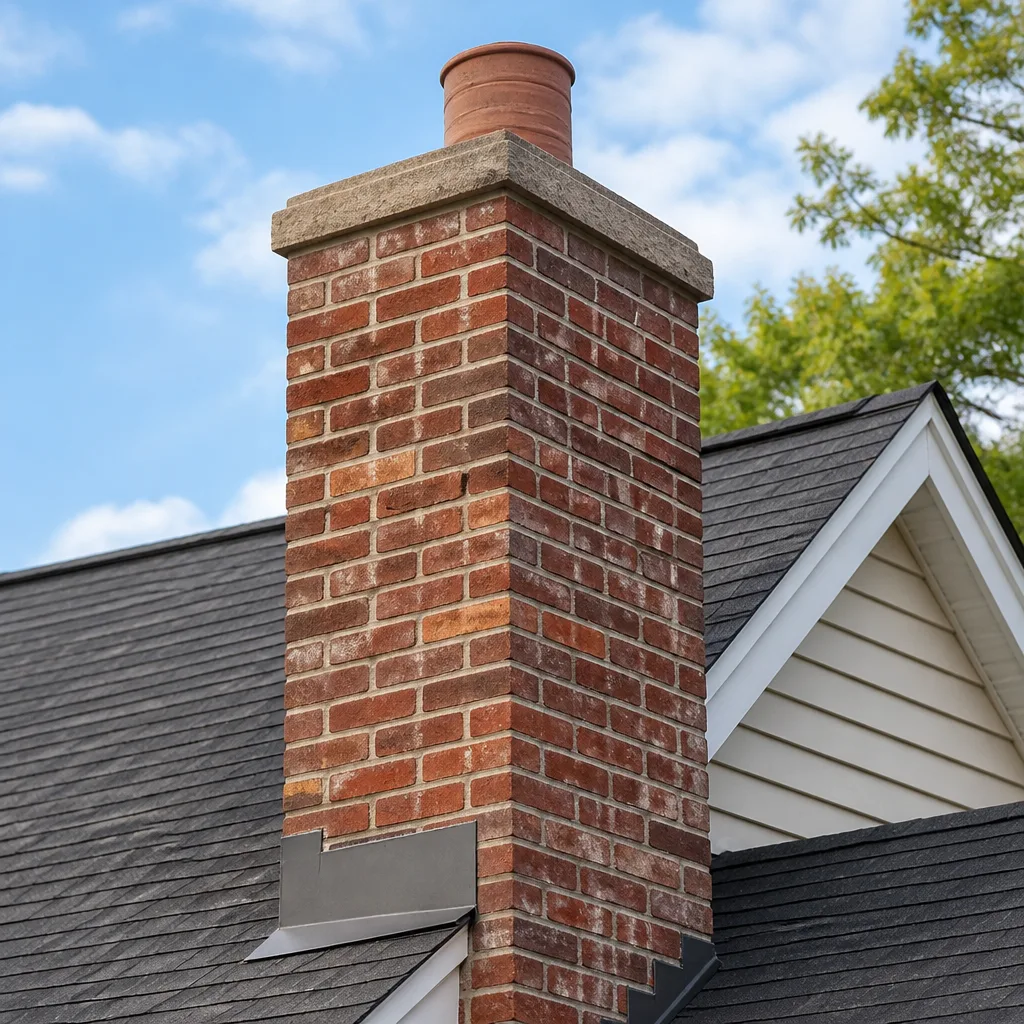 Masonry repair
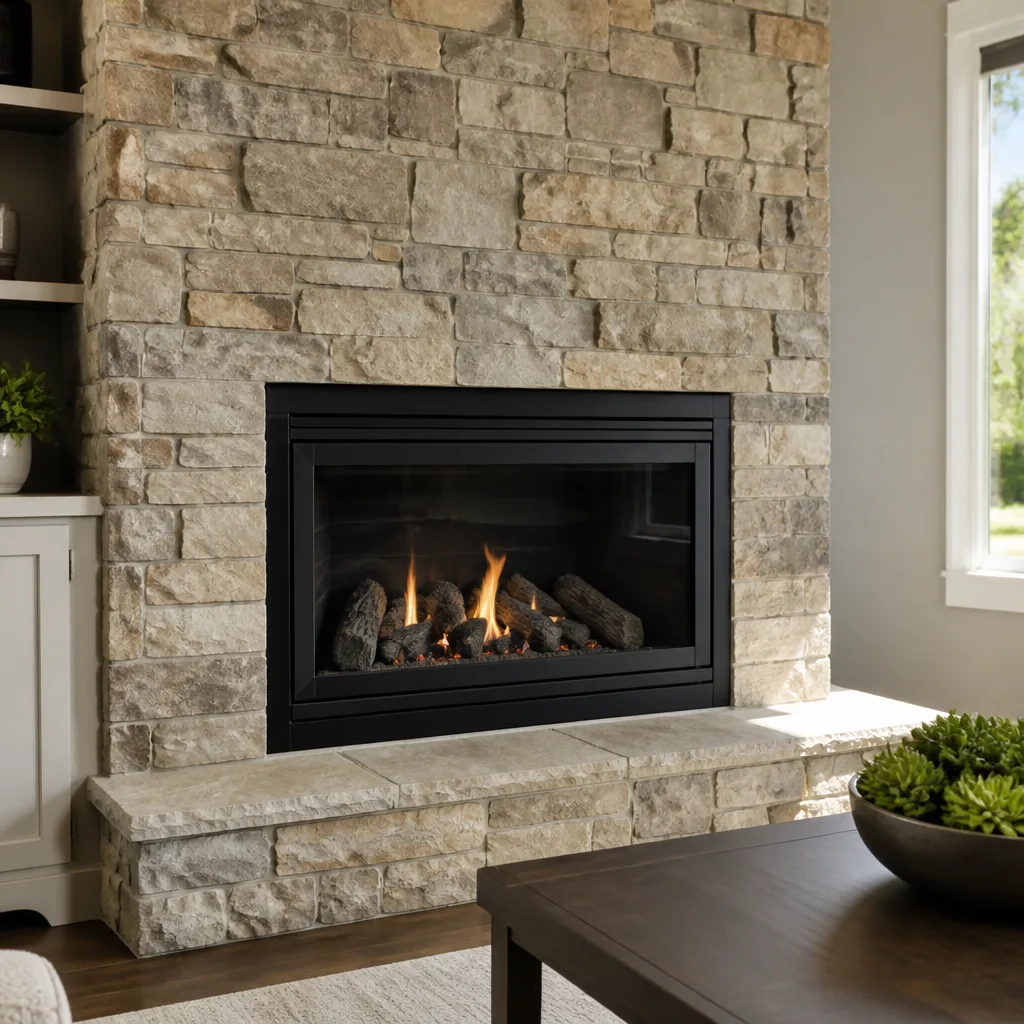 Gas fireplace service
Level 1 sweep and inspection to the NFPA 211 annual standard - flue, crown, cap, and flashing checked and photographed
Chimney sweep logs do not sweep chimneys. They loosen some creosote - which then falls where a brush and vacuum still have to collect it.
The Complete Guide to Chimney Cleaning in Herriman
Most chimney guides treat cleaning as a single task: run a brush up the flue, knock the soot down, done. In Herriman, that approach misses a lot. This city sits above 5,000 feet, which changes how a fire burns, how much creosote forms, and how quickly it hardens onto the flue walls. The dry high-desert air, the wood people burn here, and how often the fireplace actually runs all shape what a cleaning needs to cover. A proper cleaning in Herriman is not one step; it’s a sequence of decisions that start before the brush comes out. This guide walks through what a complete cleaning really involves in this city, what to check, and how to know whether the work you’re being sold is the work you actually need.
Quick Answer
Chimney cleaning in Herriman means removing creosote, soot, and debris from the firebox, flue, and smoke chamber, then inspecting the whole system while it’s clean. In this elevation and climate, most wood-burning chimneys need a sweep at least once a year, and heavy burners may need it more often. The cleaning is only as good as the inspection that follows it, which is why we inspect before we recommend anything beyond the sweep itself.
Styles & brands we work with
- Sweep & inspection
- Caps & crowns
- Flue relining
- Masonry repair
- Gas fireplace service
Table of Contents
- Why Chimney Cleaning in Herriman Is Different
- Level 1, 2, and 3 Inspections: Which One Applies to a Standard Cleaning?
- What a Professional Cleaning Actually Includes
- How Wood Type Changes How Often You Need a Cleaning
- Elevation, Drought, and Creosote Formation
- What CSIA Certification Means and How to Verify It
- Safety First: What You Should Never Try at Home
- How to Build a Cleaning Schedule That Fits Your Chimney
Why Chimney Cleaning in Herriman Is Different
Chimneys everywhere do the same basic job: vent smoke and gases out of the house. But the conditions around a chimney in Herriman are not the same as in a low-elevation suburb, and the work adjusts to that. Three local factors matter most.
Elevation. Herriman sits above 5,000 feet, and thinner air affects combustion. A fire burning in thinner air draws differently and can produce smoke that doesn’t travel as cleanly. That can leave more deposits on the flue walls than a household at sea level with the same burn habits would see.
Dry high-desert air. The low humidity around Herriman means wood seasons fast, which is good if it’s stored correctly and a problem if it isn’t. Wood stored uncovered or stacked against the house picks up moisture at the edges and burns unevenly, which increases creosote.
Seasonal burn patterns. Herriman has real winter cold and real summer heat. People tend to burn hard through the cold months and then leave the fireplace alone all summer. A single long season of heavy use without a cleaning in between can leave the flue carrying more accumulation than a household that burns steadily year-round.
We’ve learned to read a Herriman chimney by these signals before we start. What we find in the firebox, the smoke shelf, and the top of the flue tells us a lot about how the household actually burns, which then tells us how to advise the next round of maintenance. The point is simple: Herriman Chimney Sweep approaches cleaning as a diagnostic task, not a chore done by habit.
Level 1, 2, and 3 Inspections: Which One Applies to a Standard Cleaning?
Chimney inspections are grouped into three levels, and they’re not interchangeable. A standard annual cleaning pairs with a Level 1 inspection. A Level 2 inspection is more involved and applies when something has changed. A Level 3 is reserved for serious problems and can involve opening walls.
- Level 1 inspection. A visual check of the readily accessible parts of the chimney and venting, done while the system is in normal service. This is what belongs with an annual cleaning when nothing has changed. It’s the baseline that tells you whether anything else has shifted.
- Level 2 inspection. A more thorough look that includes the accessible portions of the chimney’s interior and exterior and the attic or crawlspace as reachable. Level 2 is appropriate after a chimney fire, when the home changes hands, when a new appliance is connected, or after a significant event that could have affected the chimney. A camera is commonly used to see inside the flue.
- Level 3 inspection. The most involved level, used when a Level 1 or 2 identifies something that can’t be assessed without access to concealed areas. It can mean removing parts of the chimney or building. It’s rare, and nobody should be told they need one without a clear reason.
When you book a cleaning in Herriman, ask which level of inspection comes with it. If the answer is vague, that’s worth noticing. A cleaning that includes a Level 1 inspection and a written report of what was found is the baseline you should expect. Anything less is really just a brush and a gone-too-soon tech.
The other thing to understand is that inspection comes first, not last. We inspect before we recommend anything, because a cleaning alone can miss that the flue is failing or the cap is damaged. If a company shows up, sweeps, and leaves without a word about condition, you don’t actually know what’s inside your chimney.
What a Professional Cleaning Actually Includes
There’s a real gap between a proper cleaning and a cheap sweep, and the gap is almost always in the details. A complete cleaning in Herriman should look like a defined sequence, not a quick pass with a brush. Here’s the process a skilled technician runs through, in order.
- Protect the room first. Drop cloths or floor coverings go down, and a high-powered HEPA vacuum is positioned at the firebox to hold dust and soot inside the system instead of in your living room.
- Assess the firebox and damper. The technician looks at the firebox itself, the damper, and the smoke shelf before brushing anything, so nothing is pushed into a broken area.
- Brush the flue. Rotary brushing is standard. The brush and rods work down from the top or up from the bottom depending on the chimney, and the vacuum pulls the loosened material out as the brush moves.
- Clean the smoke chamber and smoke shelf. This is where low-cost sweeps often stop too early. The smoke chamber is a sloped area above the damper that collects soot and is easy to skip.
- Inspect the flue interior. After the flue is clean, the technician can actually see whether the liner has cracks, gaps, or a glaze of hardened creosote that a brush won’t remove.
- Check the cap and crown from outside. A cleaning doesn’t stop at the firebox. The top of the chimney is where caps fail and water gets in.
- Provide a written summary. What was found, what it means, and what, if anything, needs attention next.
What a cheap sweep skips is usually steps 4, 5, 6, and 7. The flue gets brushed, the soot falls, and the job ends. It looks clean and tells you nothing. That’s the difference between a cleaning and a checkup.
We bring professional-grade equipment to this work, and where repairs or upgrades are needed, we work with materials from the same brands chimney specialists use industry-wide. When a cap needs replacing, we install from Gelco or Famco. When a liner needs attention, we work with DuraFlex flexible systems. When masonry needs resurfacing, we apply HeatShield. Those are the supply lines we trust, and they’re what goes on a Herriman chimney.
How Wood Type Changes How Often You Need a Cleaning
The wood you burn changes how fast creosote accumulates. That’s one of the most useful things a Herriman homeowner can understand, because it’s within your control. In this dry climate, the wood itself is often the biggest variable.
Pine and other softwoods burn hot and fast, which some people like for quick fires. But softwoods carry more resin, and when they’re not fully seasoned the smoke leaves more deposits. We see more residue on flues that burn a lot of pine.
Oak and other hardwoods burn longer and produce steady heat, but they need a full season of seasoning before they’re at their best. Seasoned hardwood burned in a properly drawing chimney tends to leave less creosote than wet softwood. Oak burned green is a different story entirely, and green wood is a leading cause of stubborn creosote.
Manufactured logs vary a lot by brand. Some burn clean and produce little residue; others are designed for convenience and leave more to clean up. If you burn mostly manufactured logs, watch the flue for a season or two and let the inspection tell you what the pattern looks like.
The practical takeaway for a Herriman household: burn seasoned wood, burn to the right temperature, and match your cleaning schedule to your actual fuel. A household burning oak on a good draft may be fine with an annual sweep. A household burning pine off a trailer in the fall may need a closer look mid-season. The cleaning schedule follows the fuel, not a calendar someone set for a different climate.
Elevation, Drought, and Creosote Formation
Creosote is the tar-like material that condenses in a chimney when smoke cools before it exits. The cooler the flue, the harder the creosote sets, and the harder it is to remove. Elevation and dry air both affect that process, which is why a Herriman chimney can accumulate deposits that surprise a homeowner who thought they were doing everything right.
At higher altitude, a fire draws differently. If the chimney is not sized or drawing correctly, smoke lingers longer in the flue and cools, leaving more behind. Cold exterior air makes this worse. A flue that runs cold on the outside in January can condense creosote near the top even while the firebox is roaring.
Then there’s the seasonal pattern. Herriman’s summers are hot and dry, and many people don’t touch the fireplace from spring through early fall. That’s a long idle period, and during it the creosote left from the previous winter continues to harden. When a homeowner starts a fire in the fall without a cleaning, that hardened material is already in place.
The type that matters most is glazed creosote, a shiny, hardened form that a standard brush won’t fully remove. It’s the most dangerous kind if it ignites, which is why an inspection that identifies it changes what a cleaning involves. Sometimes a plain sweep isn’t enough, and the flue needs a chemical treatment or a specialist approach. A technician who can’t tell glazed creosote from ordinary soot is a technician who will leave it in place.
We’ve seen how this plays out season to season. Households that burn late into the spring, then wait until the first cold snap to book a cleaning, tend to have the hardest buildup. Households that book in early fall, before the first fire, walk into winter with a clean flue and a report in hand. The timing is within the homeowner’s control, and it changes the job.
What CSIA Certification Means and How to Verify It
CSIA stands for the Chimney Safety Institute of America. A certified sweep has passed the organization’s certification exam, which tests knowledge of chimney and venting systems, codes, and safety. Certification is not the same as a license, and it’s not something every chimney company holds.
Before booking anyone in Herriman, ask two things: whether their technicians are CSIA certified, and whether they can verify it. CSIA maintains a public directory of certified sweeps, so verification is not just a claim they make. It takes two minutes and it’s the clearest signal that the person on your roof has been tested on the work they’re doing.
Why it matters: a chimney cleaning is not a difficult job in the abstract, but the decisions around it are. A certified sweep knows what a failing liner looks like, can distinguish normal wear from a problem, and understands which inspection level applies. An uncertified tech with a brush kit is a different kind of service call.
We’ve seen how this plays out in the field. The homeowner can’t see inside their own flue. They’re depending entirely on the person at the chimney. Certification is the one piece of evidence that tells you the person at the chimney has been trained and tested. We’re state-licensed and insured, and we describe that plainly rather than as a marketing point.
Safety First: What You Should Never Try at Home
Most chimney maintenance is not a do-it-yourself job, and we’ll say that without hedging. The risks are real, and the parts of the system that matter most are the parts you can’t safely reach.
A chimney fire happens when creosote ignites inside the flue. It can burn hot enough to damage the liner, the chimney structure, and in serious cases the surrounding framing. Many chimney fires are small and go unnoticed by the homeowner, which is why a cleaning that lets you see inside the flue matters. You can’t know if there’s a problem from the fireplace side of the room.
Carbon monoxide is the other risk. A blocked or damaged flue can let combustion gases back into the living space, and CO is odorless. A working smoke detector and a CO detector are basic safety equipment in any home with a wood-burning appliance. If your CO detector ever alarms while the fireplace is running, stop using the fireplace and get the system checked.
What you should never do yourself:
- Climb onto a steep or high roof to inspect or clean the chimney. Falls from height are the most serious risk in this work, and no cleaning is worth it.
- Try to remove glazed creosote with a brush from below. If it’s glazed, a brush won’t get it, and forcing it can damage the liner.
- Keep burning after you notice smoke backing into the room, soot falling into the firebox, or a smell that persists after the fire is out.
- Open up a masonry chimney or work on a liner without training. These are structural parts of the home, not just venting.
If you suspect a problem, book an inspection rather than a cleaning. That’s the safer and more useful starting point.
How to Build a Cleaning Schedule That Fits Your Chimney
There’s no single schedule that fits every Herriman chimney, but there is a way to build one. It’s based on three variables: how often you burn, what you burn, and what the last inspection found.
- Start with an annual cleaning. For most households burning wood through the winter, one cleaning per year is the baseline. This isn’t a rule invented to sell cleanings; it’s the interval under which creosote accumulation stays within safe limits in typical use.
- Adjust up if you burn heavily. If the fireplace runs most evenings through a Herriman winter, consider a mid-season check. A household burning several cords a season sits in a different category than one burning a few evenings a month.
- Adjust up if you burn unseasoned or soft wood. Pine, green oak, and wood stored improperly all point toward more frequent inspection. The cleaning schedule follows the fuel.
- Book before the first fire of the season. A cleaning in early fall catches the buildup from the previous winter and gives you a clean start. This is also the best window before the cold hits and appointments fill.
- Follow the inspection report. If the last inspection noted a developing liner issue or a cap problem, address it before the next season. A cleaning schedule that ignores the findings is a schedule built on wishful thinking.
For most Herriman households, the right answer is one cleaning per year, booked in the fall, plus whatever follow-up the inspection report calls for. When the report says something can wait, we say so. Nobody should be told they need a new liner or a full rebuild without camera evidence they can see for themselves.
The full scope of what a Herriman chimney may need runs from a straightforward chimney sweep through fireplace repair and chimney repair. One company handling the whole arc means the person who cleans your flue is the same one diagnosing it, which is how it should work.
Common Mistakes to Avoid
- Skipping a year because “it doesn’t look that dirty.” The part that matters is inside the flue, not in the firebox. What you can see from the living room tells you almost nothing about creosote accumulation.
- Booking the cheapest sweep in Herriman. A low-cost sweep often means no smoke chamber cleaning, no real inspection, and no written report. You pay less and you know less, which defeats the point.
- Burning unseasoned or green wood. In this dry climate, there’s no excuse to burn wet wood, and it’s the easiest way to speed up creosote buildup. Season it a full year and store it covered.
- Cleaning after the first fire of the season instead of before. The first fire in an uncleaned chimney is the one that runs on top of last winter’s hardened deposits. Book before the cold.
- Ignoring a damaged cap or crown. Once water gets into a masonry chimney, it freezes, expands, and damages the structure. A small cap or crown fix in the fall prevents a bigger one in the spring.
- Trusting a “the whole liner needs replacing” diagnosis with no evidence. Ask to see the camera footage. If they can’t show you, get a second look before you spend.
- Assuming an annual cleaning is the whole job. A cleaning and an inspection are two parts of one service. A cleaning without an inspection is a chore, not maintenance.
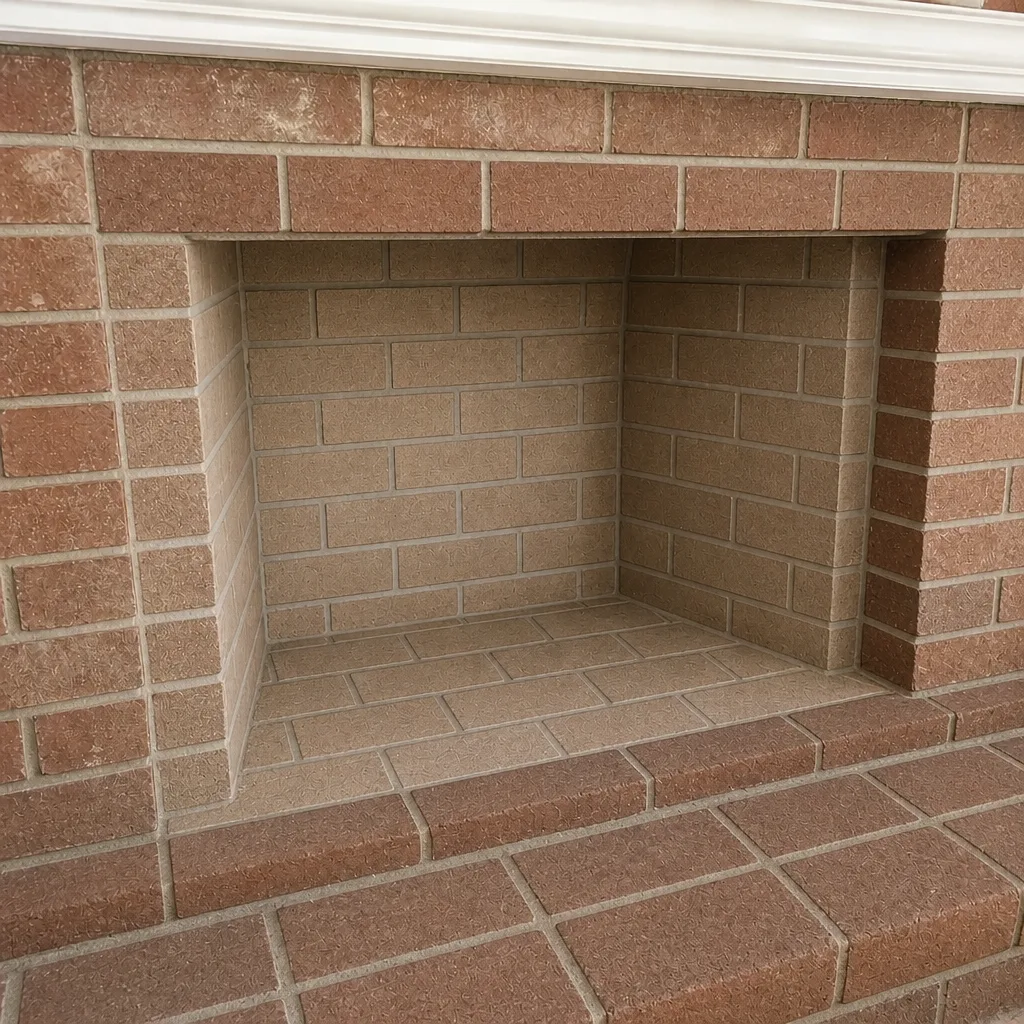
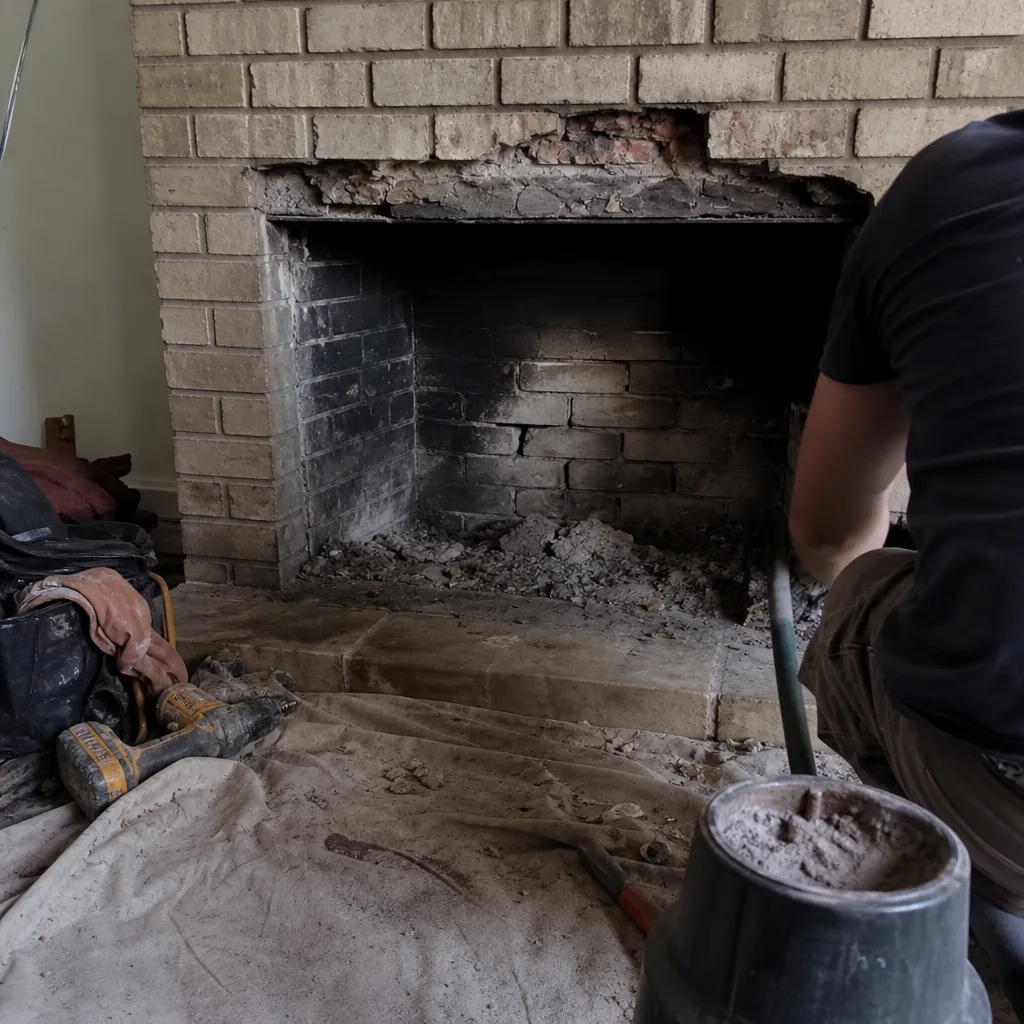
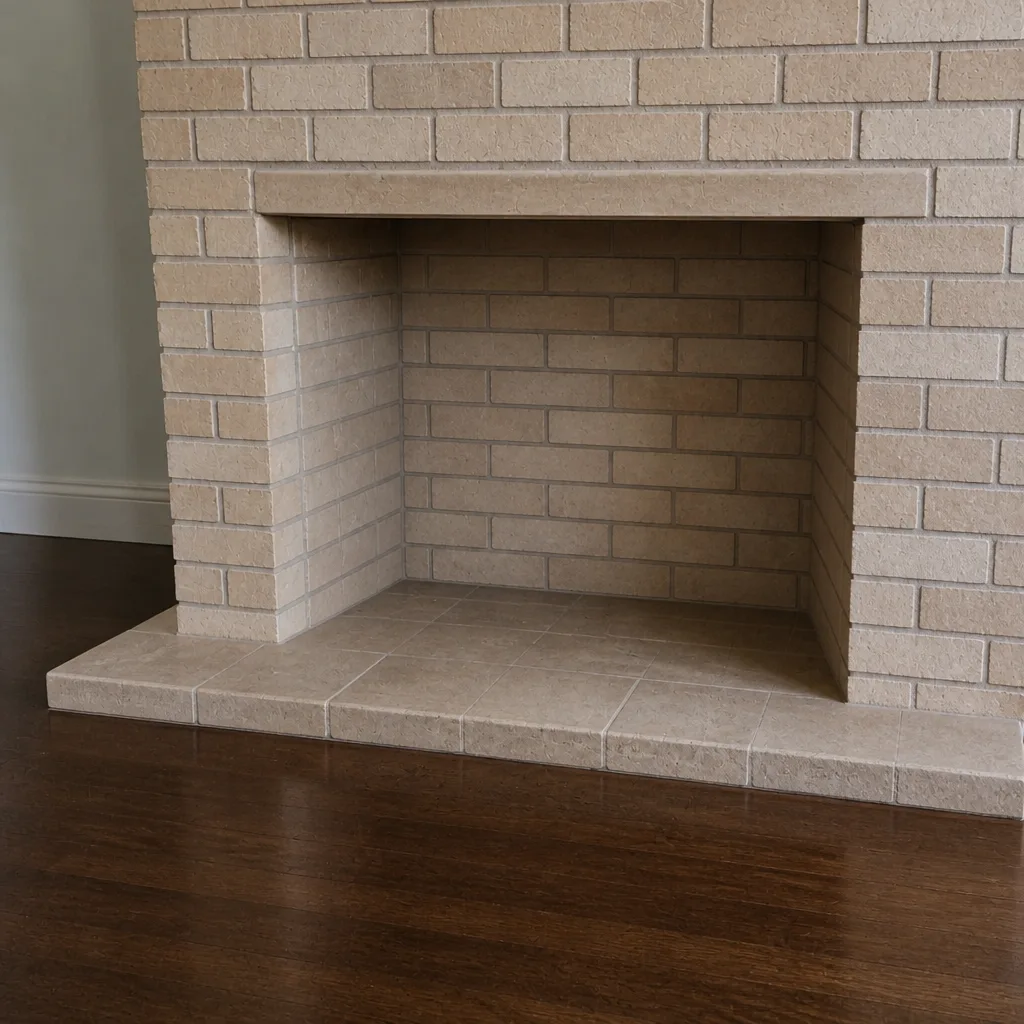
See the difference
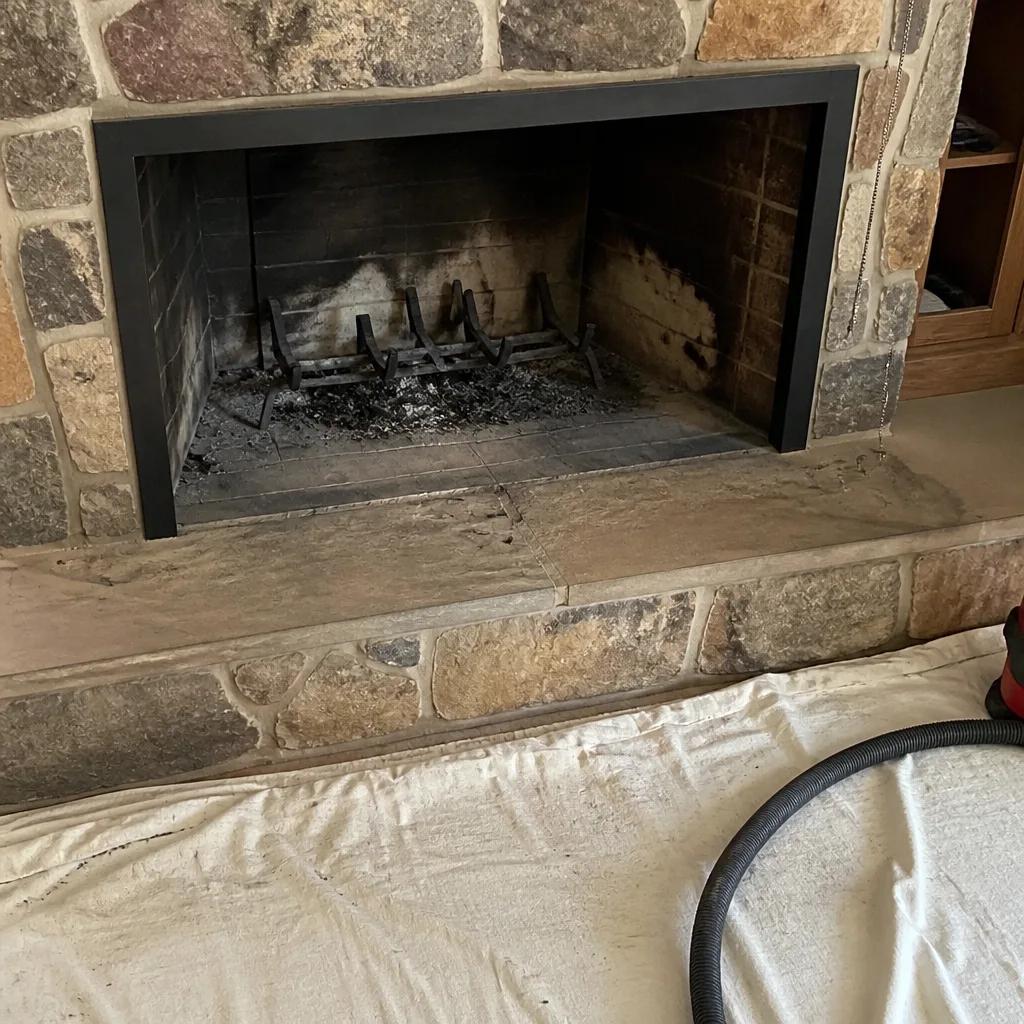 Before
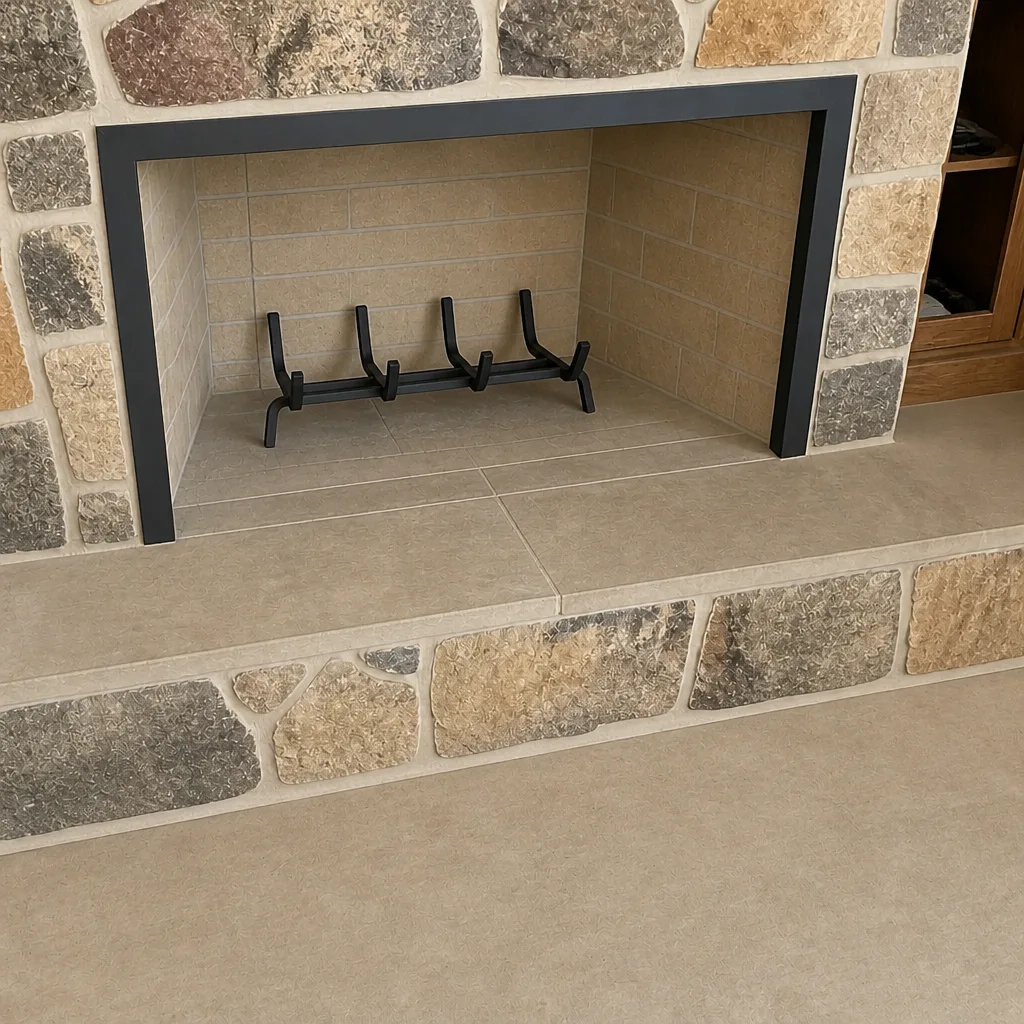 After
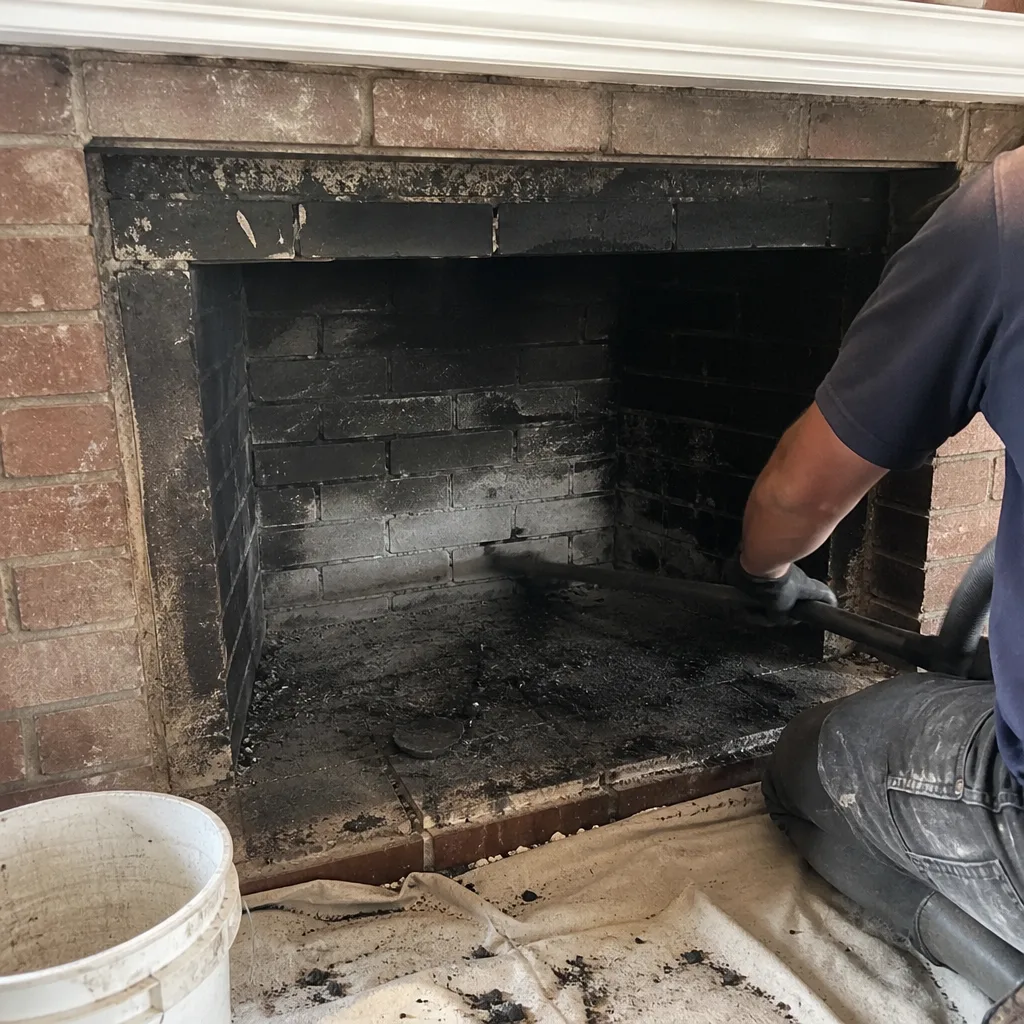 Before
 After
 Before
 After
When to Call a Professional
Some situations call for a trained chimney professional, not a homeowner with a flashlight. Call if you haven’t had the chimney cleaned in over a year of regular burning. Call if you notice smoke backing into the room, a persistent smell after the fire is out, or soot falling into the firebox. Call if you’ve had a chimney fire, even a small one, and especially if you’ve had a chimney fire and never had the system inspected afterward. Call if your home has changed hands recently and you don’t know the chimney’s history, or if you’re moving from wood to a gas insert and the venting needs to be checked. Call if your CO detector ever alarms when the fireplace is in use.
Herriman Chimney Sweep offers free estimates in Herriman. Call (866) 972-2258. We answer 24/7. Fast dispatch from 7am to 7pm, Sunday through Friday. We inspect before we recommend, and we’ll tell you what we found and what it actually means.
Frequently Asked Questions
A chimney cleaning in Herriman is priced per job by a written estimate after we’ve looked at your system, and the estimate is free. Because the price depends on the chimney’s condition, we don’t quote a number over the phone before we’ve seen it. Call (866) 972-2258 for an exact quote. We inspect before we recommend, and the written estimate sets the final price.
At least once a year for most Herriman households that burn wood through the winter. Heavy burners, or households burning pine or unseasoned wood, may need a mid-season check. The right interval follows your fuel and your burn habits, not a calendar set for a different climate.
Not always. A liner replacement is recommended only when the existing liner has a defect the inspection can show you, a crack, a gap, or a failure that would let gases or heat escape. We won’t recommend a liner without camera evidence you can see for yourself. If the liner is sound, we say so. If it can wait a season or two, we say that too.
Creosote builds up inside the flue, and the danger is that it can ignite as a chimney fire. Not every skipped cleaning leads to a fire, but the risk grows with each season of buildup. Skipping also means you don’t get an inspection, so developing problems like liner cracks or a damaged cap go unnoticed. Call (866) 972-2258 to get on the schedule.
Gas inserts need servicing too, though the work differs from a wood-burning cleaning because there’s no creosote in a gas system. The inspection still matters, because gas venting can have its own issues, and a gas insert’s condition is worth checking on a regular basis. Tell us what kind of fireplace you have when you call.
Ask for CSIA certification and verify it through the CSIA’s public directory. CSIA certification means the technician passed a certification exam covering chimney and venting systems and safety. Ask who’s coming out, ask what level of inspection comes with the cleaning, and ask for a written report. If any of those answers feel vague, that’s a signal to look at other options in Herriman.
The Bottom Line
Chimney cleaning in Herriman is not one task but a chain of decisions: what you burn, how often you burn, what elevation does to your draft, what the inspection finds, and what the flue actually needs. The cleaning sits in the middle of that chain, not at the end. A proper cleaning includes a Level 1 inspection and a written report, so you walk away knowing your chimney’s condition rather than guessing. Book before the first fire of the season, burn seasoned wood, verify your sweep’s certification, and ask for the evidence behind any recommendation. That covers most of what a Herriman homeowner needs to know.
If you’re ready to schedule a cleaning, or you’re not sure whether your chimney needs one, make the call and let an inspection answer the question. Herriman Chimney Sweep serves Herriman with a full scope of chimney work: cleaning, inspection, cap and crown installation, fireplace repair, and chimney repair, using DuraFlex, HeatShield, Gelco, Olympia Chimney, Famco, and Copperfield materials from the same supply lines chimney specialists use. Our technicians have up to 12 years of experience. Call (866) 972-2258 for a free estimate. We answer 24/7, with fast dispatch from 7am to 7pm, Sunday through Friday.
Written by the team at Herriman Chimney Sweep.